English
  中文简体
中文简体 The difference between a crisp woven dress shirt and a soft knit polo comes down to structure, not just fiber. A knitted fabric is a textile made by interlocking loops of yarn with needles, rather than by weaving warp and weft threads at right angles. That loop structure explains why the polo stretches when you move, why a running top breathes, and why a knitted school uniform fabric needs careful yarn selection to hold its shape wash after wash.
How Knitted Fabric Is Made
Knitting starts with one continuous yarn or multiple yarns formed into loops. Each loop is pulled through the loop above it, and the finished fabric consists of rows called courses and columns called wales. The direction in which those loops interlock determines the basic classification. In weft knitting, loops are formed horizontally across the fabric width; in warp knitting, loops are formed vertically along the length.
On modern industrial machines such as single-jersey and double-jersey circular knitting machines, yarns are fed to thousands of needles arranged in a cylinder. The stitch density, yarn count and machine gauge determine the fabric's weight, hand feel and stretch. For a fuller explanation of the production process, see how knitted fabric is made step by step.
Weft Knits and Warp Knits: Two Structural Families
Understanding the difference between weft and warp knitting is essential when you are choosing a material for a specific garment.
Weft knits
These are the most common knitted fabrics. They are made from a single yarn traveling horizontally, forming loops that interlock across the width. Because the yarn path is highly curved, weft knits tend to be stretchy, comfortable and easy to sew. Examples include jersey, rib, interlock, French terry and most fleece fabrics.
Warp knits
Warp knits use multiple parallel yarns that zigzag along the length of the fabric, creating a flatter, less elastic structure that resists runs and curling. Raschel and tricot are the two best-known warp knit constructions. They are often used in lingerie, sportswear linings, mesh panels and technical textiles.
Each family can be engineered with different fiber contents and stitch patterns to change stretch, recovery, opacity and surface texture.
Common Knitted Fabric Categories
Knitted fabrics are not a single material but a broad family with distinct sub-categories. Here are the ones you will encounter most often in apparel manufacturing.
Single Jersey
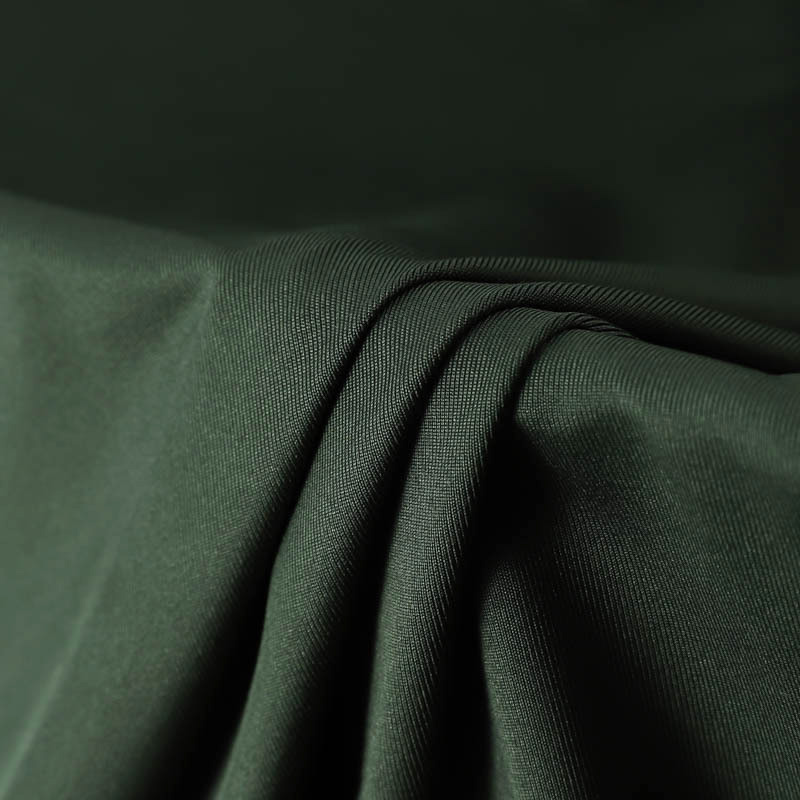
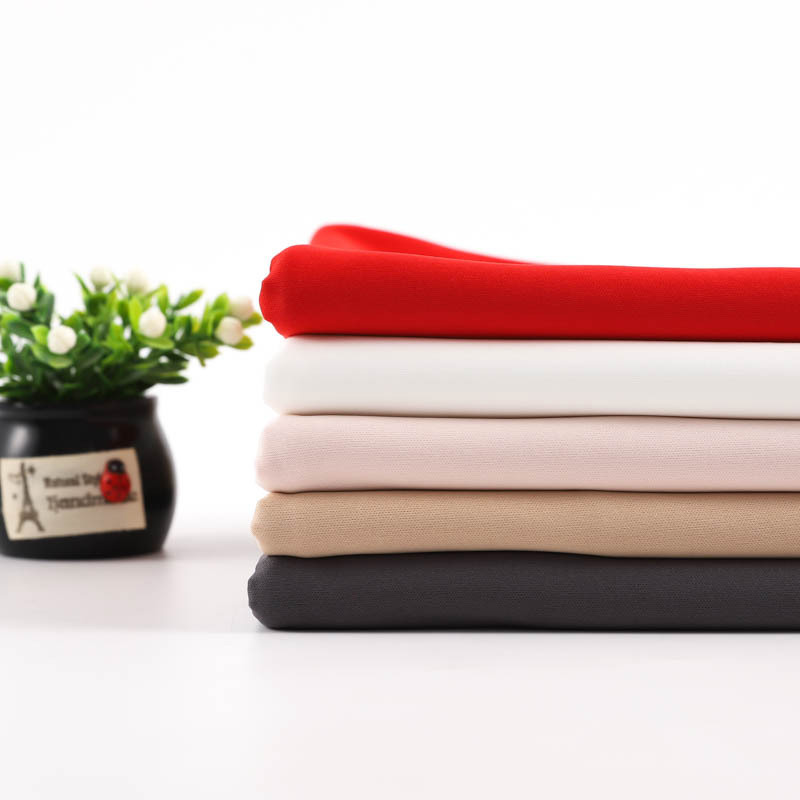
Single jersey is a weft knit with visible V-shaped loops on the face and horizontal ribs on the back. It is lightweight, breathable and drapes well, which makes it a default choice for T-shirts, dresses, sleepwear and lightweight sportswear. A polyester jersey, commonly called a single-sided flat knit or sweat cloth, is widely used for athletic tops. For example, a 50D single-sided flat knit sweat cloth gives you a smooth, quick-drying hand feel with good opacity.
 Wholesale Knitted sweat cloth full polyester 50D single-sided flat cloth SupplieShaoxing Yihan Textile Co., Ltd. is China wholesale Knitted sweat cloth full polyester 50D single-sided flat cloth suppliers and factory,...View Product →
Rib Knit
Rib knit is made with alternating face and back stitches, producing vertical columns that give the fabric strong elasticity and excellent recovery. It is often used for cuffs, collars, hems and close-fitting garments. Heavier rib knits also work for dresses and cardigans. A common industrial example is 1x1 ribbed velvet fabric, which adds softness and a plush surface to stretch garments.
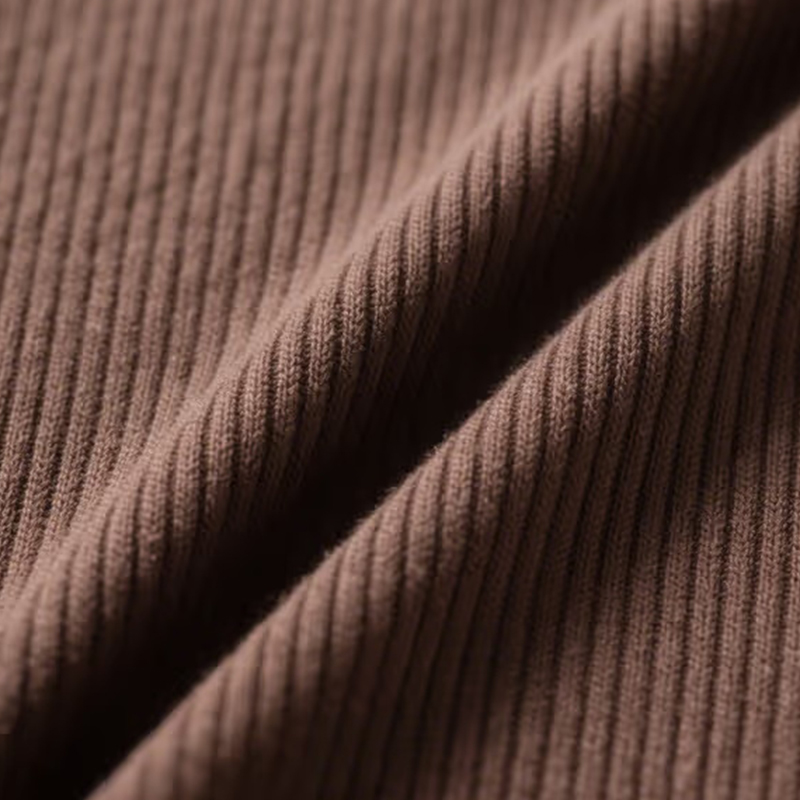 Wholesale 1*1 Ribbed velvet fabric Suppliers, Factory - Shaoxing Yihan Textile CShaoxing Yihan Textile Co., Ltd. is China wholesale 1*1 Ribbed velvet fabric suppliers and factory,1*1 Ribbed Velvet Fabric is a fabric t...View Product →
Interlock
Interlock is a double-knit construction that produces a thicker, smoother and more stable fabric than single jersey. Both sides look the same, and the dense structure resists curling. Interlock is popular for premium polo shirts, baby wear and base layers where comfort and structure matter equally.
French Terry and Fleece
French terry has loops on the back with a smooth face, providing moderate warmth and absorbency. Fleece is brushed to create a soft, insulating nap. These fabrics dominate hoodies, joggers and casual outerwear, often in blends of cotton and polyester to balance comfort with durability.
Mesh and Birdseye
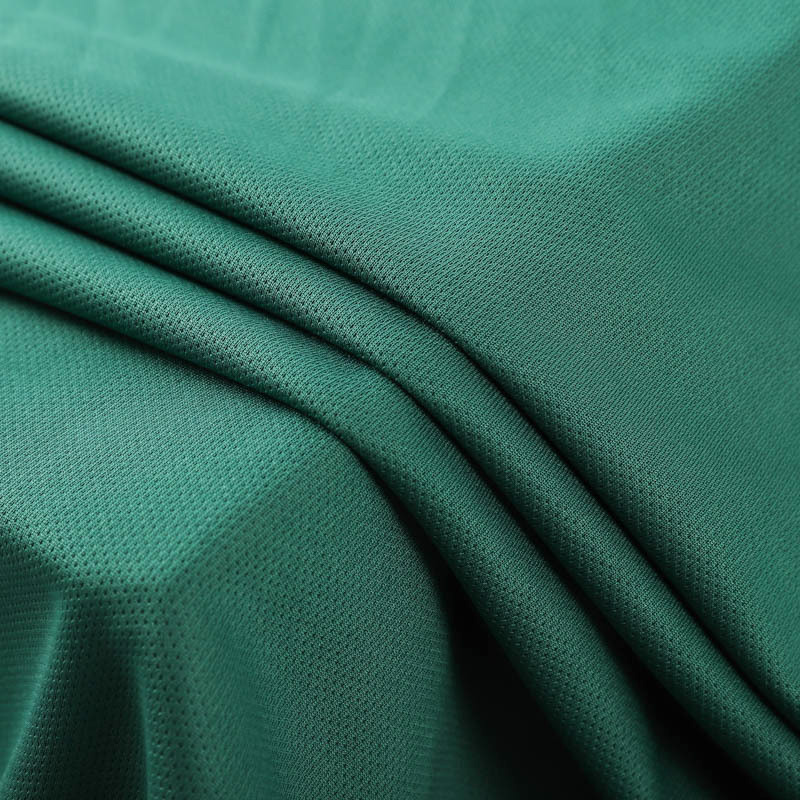
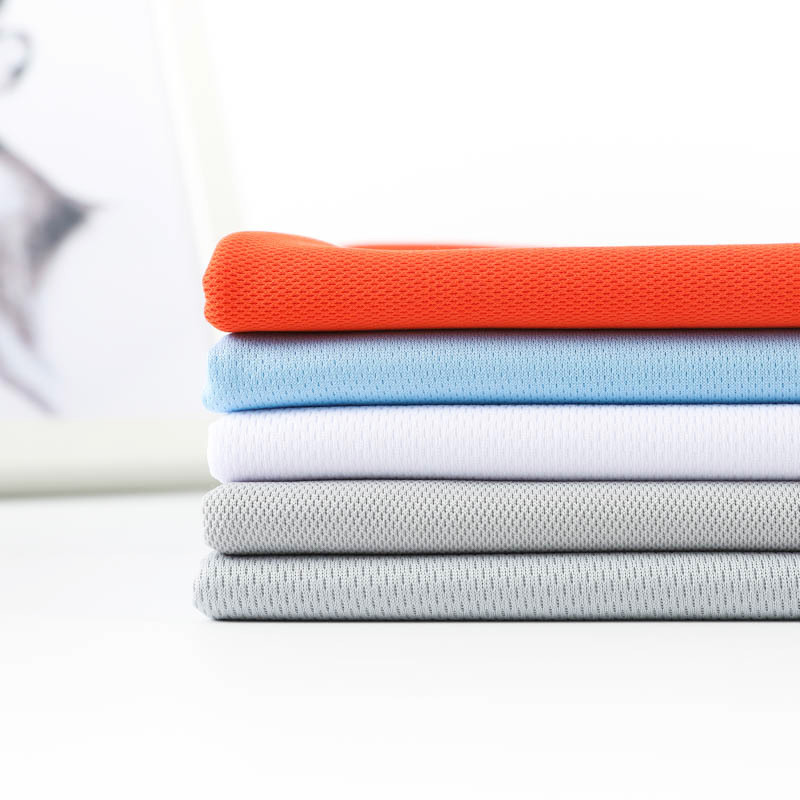
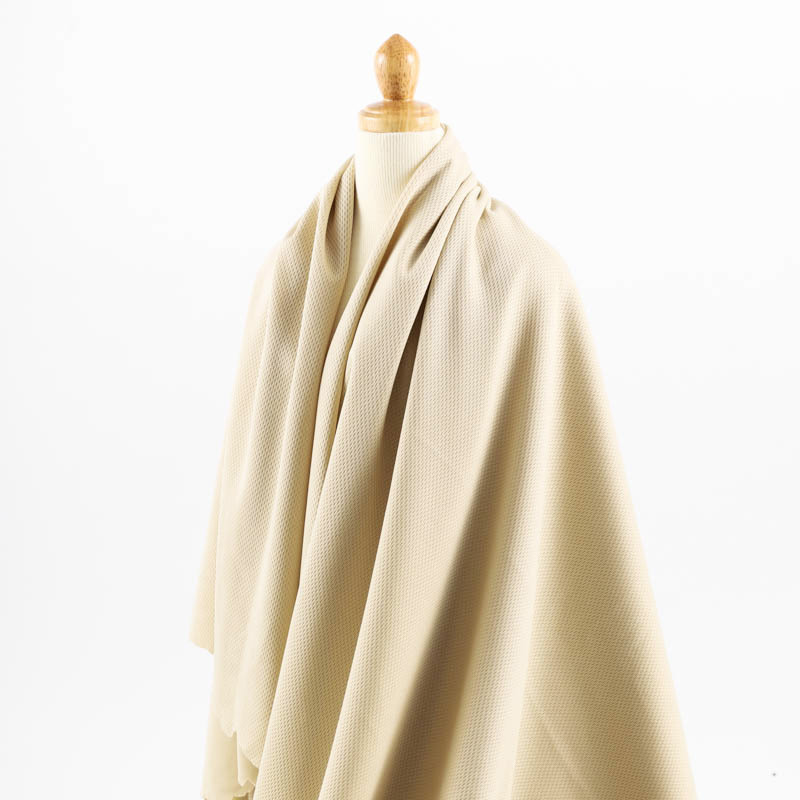
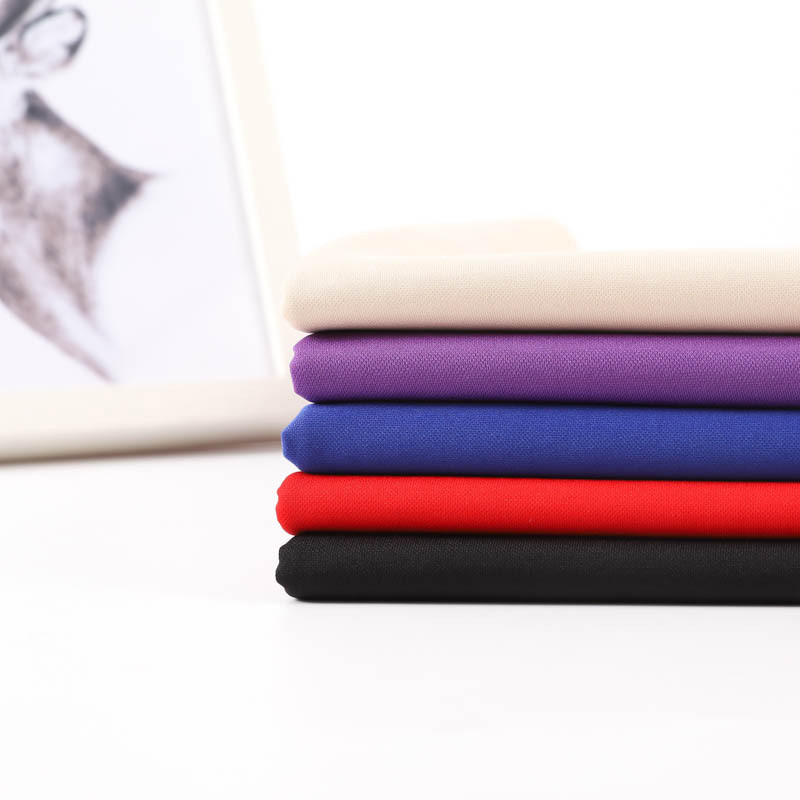
Mesh knits have an open, net-like structure created by combining knit and tuck stitches. They are valued for breathability and moisture transport in activewear, lining fabrics and shoe materials. A particularly effective construction is birdseye, where small diamond-shaped openings form a honeycomb-like pattern. A breathable polyester yarn silk birdseye fabric is a good example of a lightweight mesh that combines ventilation with a smooth surface.
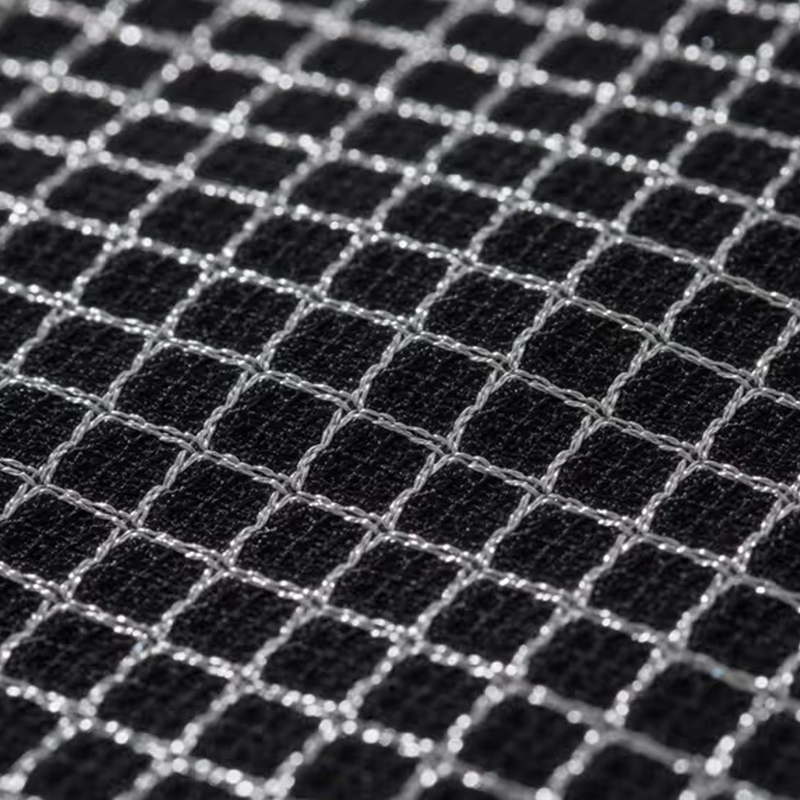 Wholesale Breathable polyester yarn silk Birdseye fabric Suppliers, Factory - ShShaoxing Yihan Textile Co., Ltd. is China wholesale Breathable polyester yarn silk Birdseye fabric suppliers and factory,Breathable polye...View Product →
Jacquard
Jacquard fabrics are knitted with complex patterns by controlling individual needles. The patterns are built into the structure, not printed on top, so they withstand repeated washing and friction. Double jacquard produces a heavy, reversible cloth; single jacquard is often used for upholstery and patterned apparel. Transfer jacquard adds a raised, textured effect.
Key Properties of Knitted Fabrics
Knitted fabrics behave differently from woven ones in ways that directly affect garment comfort and performance.
- Stretch and recovery: Loop structures allow the yarn to elongate under tension and return to shape, provided the fiber or elastic component has enough recovery.
- Breathability: The gaps between loops allow air and moisture vapor to escape, which is why knit activewear feels cooler during exercise.
- Drape and softness: Fine-gauge knits are flexible and follow the body's contours, making them ideal for fitted or flowing silhouettes.
- Wrinkle resistance: Because the yarn is curved, knitting does not create sharp creases, so most knit fabrics pack and travel well.
- Potential snagging: Loops can catch on sharp objects, particularly in loose constructions or fine-denier yarns.
These properties can be tuned by changing the fiber, yarn size, stitch length and machine gauge.
Knitted vs Woven: Why the Difference Matters
When you compare a knit shirt with a woven shirt, the differences go far beyond feel. The table below summarizes the practical contrast.
| Property | Knitted fabric | Woven fabric |
|---|---|---|
| Construction | Interlocking loops | Perpendicular warp and weft threads |
| Stretch | High, especially in weft knits | Minimal unless elastane is added |
| Breathability | Good to excellent | Varies with weave density |
| Drape | Soft and conforming | Crisper and more structured |
| Wrinkle resistance | High | Low to moderate |
| Edge curling | Common in some knits | Generally stable |
| Typical uses | T-shirts, hoodies, activewear, underwear | Shirts, trousers, jackets, suits |
Neither structure is superior overall. A woven fabric gives tailored garments their sharp lines; a knit gives casual and performance pieces their comfort. Many modern garments combine both, with knit panels where stretch is needed and woven panels for structure.
What to Consider When Choosing a Knit Fabric
Buyers and designers often focus on one or two factors and then discover later that the fabric fails in production. A more reliable approach is to evaluate four parameters together.
- Fiber content: Polyester offers durability, quick drying and colorfastness; cotton brings absorbency and softness; spandex or elastane adds stretch and recovery; rayon and modal improve drape.
- Weight and gauge: Lightweight knits around 120-180 g/m2 suit T-shirts and dresses; midweights from 200-280 g/m2 work for polos, hoodies and yoga pants; heavier knits above 300 g/m2 serve outerwear and upholstery.
- Stretch and recovery: Look at both elongation percentage and how completely the fabric returns after repeated stretching. Poor recovery leads to baggy elbows and sagging hems.
- Surface and hand feel: Brushed, sanded, peach-skin and compact finishing change both aesthetics and performance. Always compare a finished swatch, not a greige sample.
If you are developing a custom line, work with a manufacturer that can supply lab dips, shade bands and pre-production samples before bulk cutting.
Care Considerations for Knit Fabrics
Most knit garments are best washed in cold or warm water with low spin speeds to reduce shrinkage and distortion. Avoid harsh tumble drying for garments with elastic fibers, because high heat accelerates elastane breakdown. Wash mesh and jacquard knits inside out to protect loops and pattern floats from pilling and snagging. With proper care, a well-constructed knit can hold its shape and color for years.
Knowing what knitted fabrics are is not just a technical exercise. It helps you choose between a jersey that drapes and a rib that hugs, between a fleece that insulates and a mesh that ventilates, between a single knit that is fast to produce and a jacquard that carries a permanent pattern. At the factory level, the same yarn can become completely different fabrics by changing needle count, stitch pattern and finishing. If you need a consistent source for custom knit development, it is practical to talk with a supplier that controls both circular knitting and finishing in-house, such as a knitted fabric manufacturer with verified production capacity.