English
  中文简体
中文简体 When a sportswear brand asks a knitting mill to develop fabric for a new trail-running line, the first question is rarely about color. It is usually about sweat: how fast the cloth dries, whether it sticks to the skin, and whether the stretch survives a hundred wash cycles. Outdoor sports fabric sits at the intersection of fiber, knit structure, and finishing. Small decisions in any of those areas show up directly in garment performance. This guide explains what to look for when evaluating knitted outdoor sports fabrics, which fabric families handle which conditions, and how to source them without the mistakes that cause rework, returns, or missed delivery dates.
What Counts as Outdoor Sports Fabric?
Outdoor sports fabric refers to knitted or woven textiles engineered for physical activity in open-air environments: running, hiking, cycling, climbing, team sports, and outdoor training. Unlike casual apparel, these fabrics must manage moisture, tolerate repeated movement, resist sun exposure, and keep their shape over many wash cycles.
Most performance-oriented outdoor fabrics are knitted, because knitting offers four advantages over weaving for activewear. First, the loop structure gives natural stretch and recovery without excessive spandex content. Second, open stitches such as birdseye and mesh create ventilation channels that let heat escape. Third, knitted cloth conforms to the body and reduces friction during movement. Fourth, knitting mills can produce seamless variations in texture, weight, and hand feel by changing stitch patterns on the same machine.
Within the knitted category, polyester dominates because it dries quickly, resists UV damage better than most natural fibers, and takes functional finishes well. Spandex is added to provide elasticity. In our production planning, common yarn counts include 50D, 75D, 100D, and 150D polyester; the lower the denier, the finer and lighter the fabric, while higher denier adds toughness and structure.
Five Performance Benchmarks to Check Before You Order
Buyers who skip performance validation at the development stage end up fixing problems during production. Checking these five benchmarks early will prevent most outdoor fabric failures.
| Benchmark | What to look for | Why it matters | Typical check |
|---|---|---|---|
| Moisture management | Quick-dry polyester yarns, low water retention, wicking finish | Keeps skin dry, prevents chafing and chilling during exertion | Drying time test; water drop absorption |
| Breathability | Open knit structures, mesh or birdseye patterns, adequate air permeability | Regulates body temperature during high-intensity effort | Air permeability measurement or simple breath test |
| Stretch and recovery | 5–10% spandex, balanced knit structure, elastic recovery after repeated pulls | Preserves fit and support over the garment's lifetime | Stretch-recovery cycling on a fabric tensile tester |
| UV protection | Opaque yarns, tight construction or UV-protective finish, rated UPF | Protects skin during long exposure to direct sun | UPF rating per fabric batch |
| Durability | Pilling resistance, colorfastness to light and washing, abrasion resistance | Reduces customer complaints and premature garment replacements | Martindale abrasion and pilling tests |
These five checks are not just lab exercises. In practice, they predict whether a trail shirt can survive a full season or whether a climbing pant pills after the first contact with a harness. A mill that cannot produce reliable test data for these points is a sourcing risk, regardless of price.
Knitted Fabric Types That Earn Their Place in Outdoor Kit
The most useful outdoor sport fabrics are not exotic. They are well-executed versions of established knit structures, matched to specific conditions.
Mesh and Birdseye Knits for Ventilation
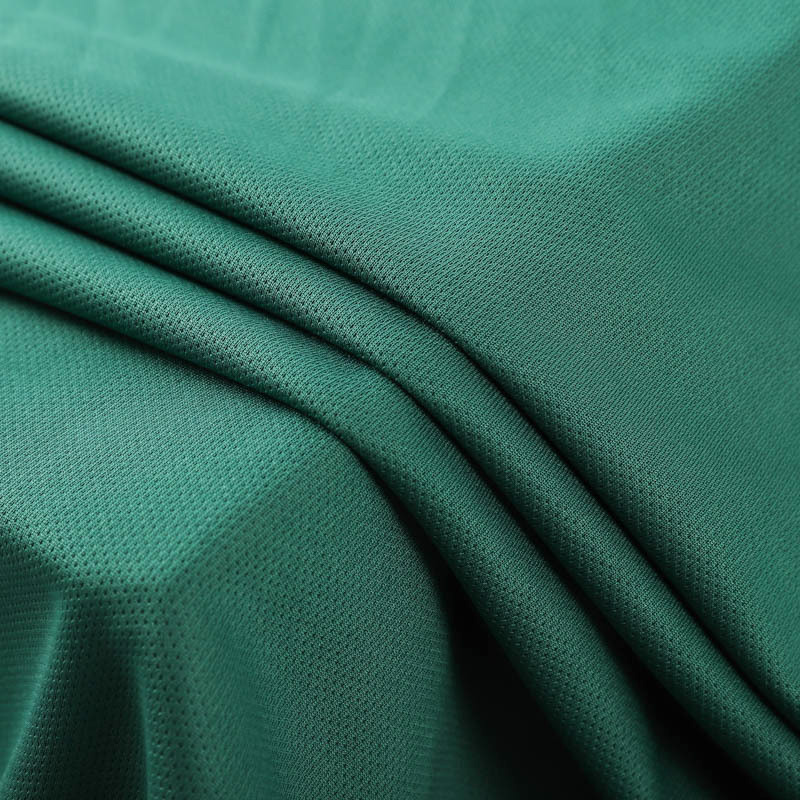
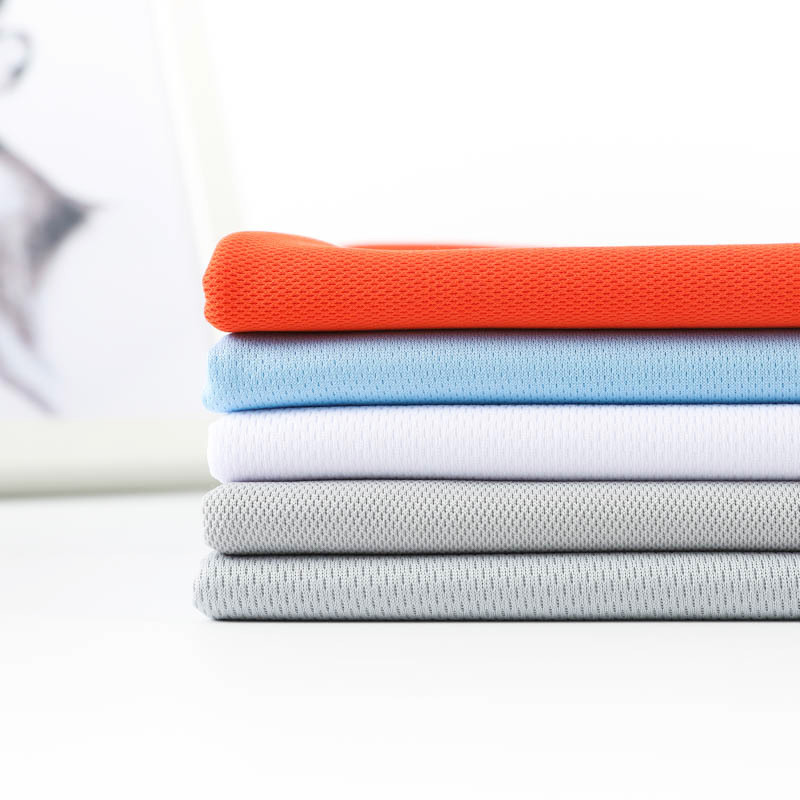
When the activity involves sustained effort in warm weather, ventilation takes priority. Birdseye knits use a honeycomb-like arrangement of loops that keeps the fabric stable while forming thousands of small air channels. The result is a surface that feels smooth against the skin but allows heat and moisture vapor to escape. Polyester birdseye mesh also resists shrinking and will not trap odor the way cotton does. For motion-heavy sports such as basketball, soccer, or interval training, an elastic interwoven birdseye knit adds the stretch athletes need without losing the open structure. If your line needs a base layer that can handle both sweat and fast changes of direction, consider a polyester elastic interwoven birdseye fabric as your starting point.
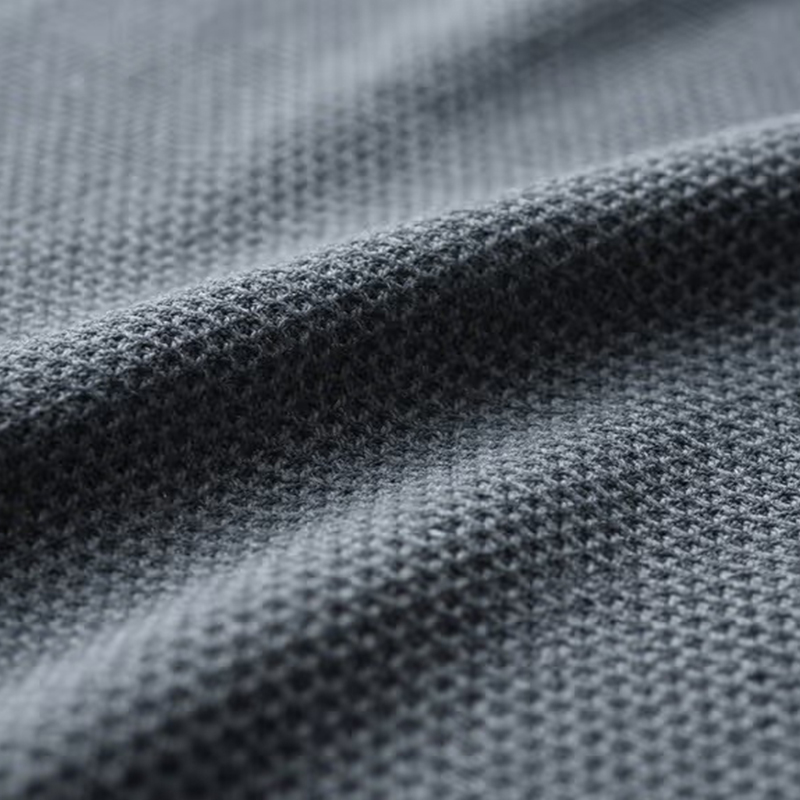 Wholesale Polyester elastic interwoven birdseye fabric Suppliers, Factory - ShaoShaoxing Yihan Textile Co., Ltd. is China wholesale Polyester elastic interwoven birdseye fabric suppliers and factory,Polyester elastic ...View Product →
Ice Silk Knits for Sun and Heat Protection
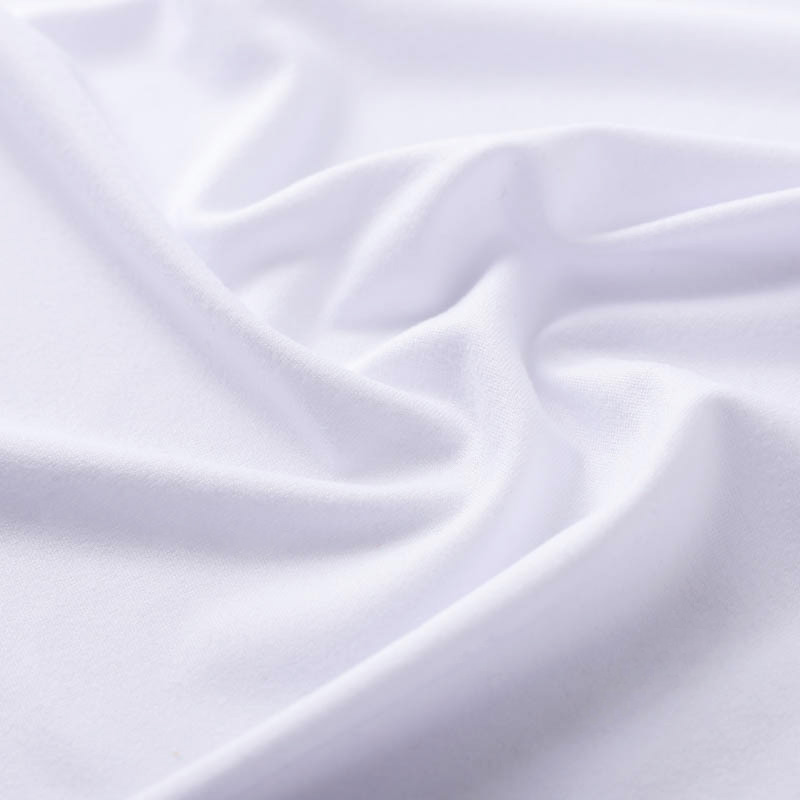
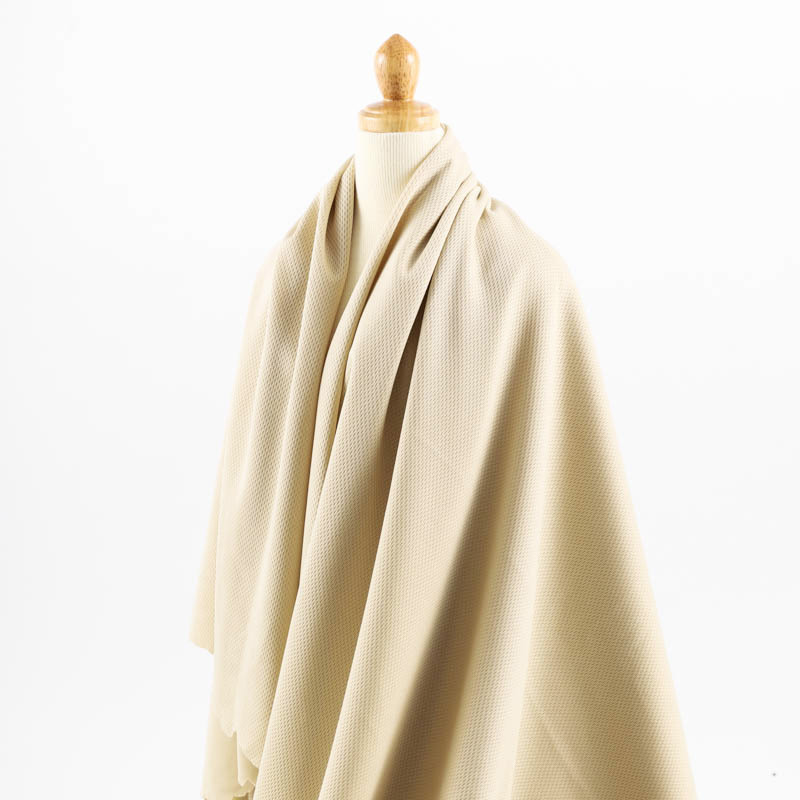
For summer running and hiking, heat management is about more than breathability. Ice silk is a commercially named polyester knit family designed to feel cool on contact and to keep the body from overheating. The fiber surface and flat construction reduce cling, and the fabric's slight shimmer reflects a portion of visible light. Our ice silk plain sunscreen fabric is knitted to a tight, opaque structure that blocks direct sun while maintaining airflow. In practice, this works well for sun-protection jackets, hiking shirts, and cycling jerseys. Unlike coated waterproof shells, ice silk keeps the wearer comfortable in hot conditions without trapping sweat. It is also simple to care for, which matters for outdoor brands whose customers wash their gear frequently.
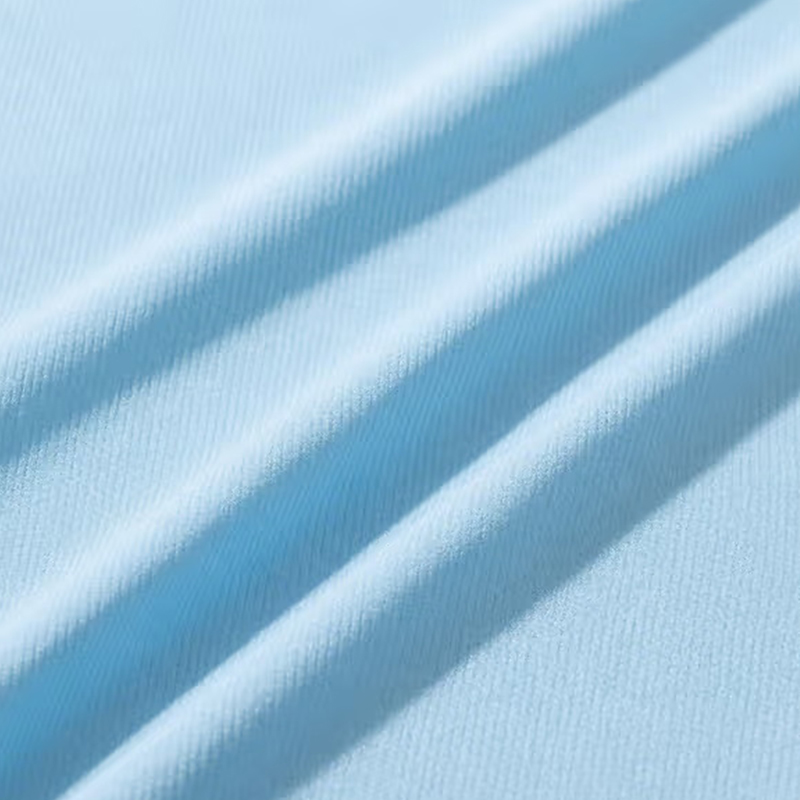 Wholesale Ice silk plain sunscreen fabric Suppliers, Factory - Shaoxing Yihan TeShaoxing Yihan Textile Co., Ltd. is China wholesale Ice silk plain sunscreen fabric suppliers and factory,Ice Silk Plain Sunscreen Fabric...View Product →
Air Layer Knits for Weather Protection and Warmth
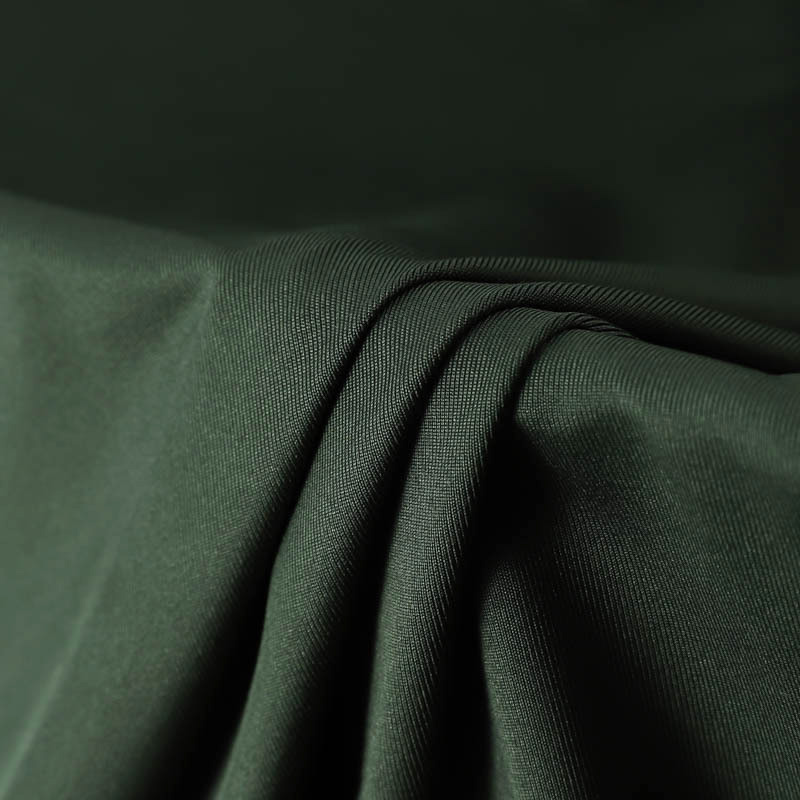
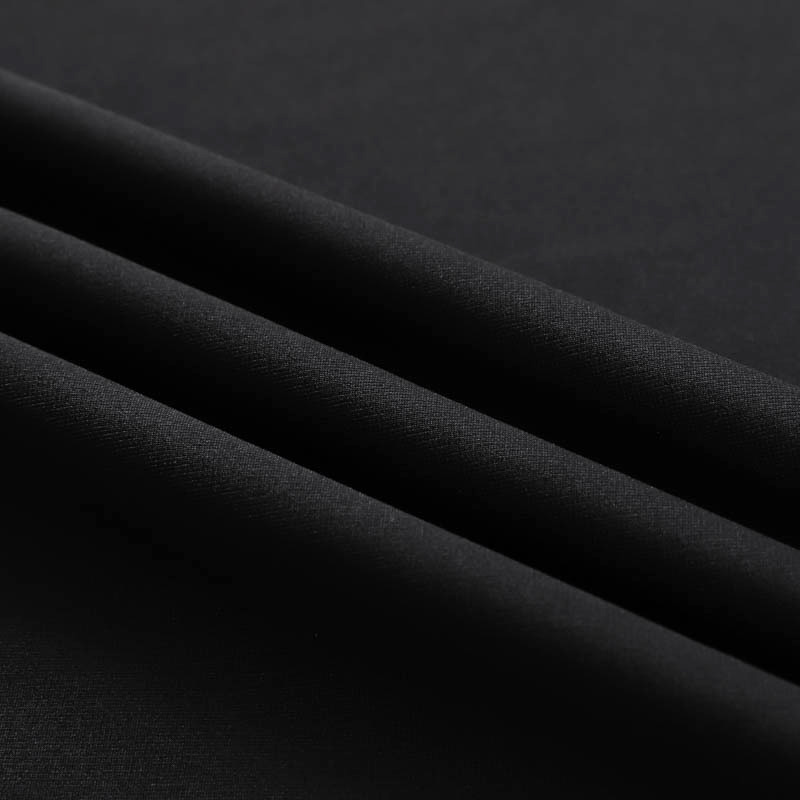
Outdoor activity is not limited to summer. When the temperature drops, a different set of knit structures comes into play. Air layer fabric is a double-faced knit that traps still air between two surfaces, creating insulation without the bulk of a brushed backer. The trapped air slows heat loss while the outer face resists wind. A 75D polyester version, our 75D polyester air layer fabric, balances softness with structure: it is thick enough to feel protective but light enough to layer under a shell. For autumn trail runs, outdoor fitness sessions, or early-morning training in the city, air layer fabric provides the warmth that athletes need at the start of a session and still allows a full range of motion. Mills achieve this effect through the yarn and the double-knit construction, not through heavy finishing, which keeps the fabric light and packable.
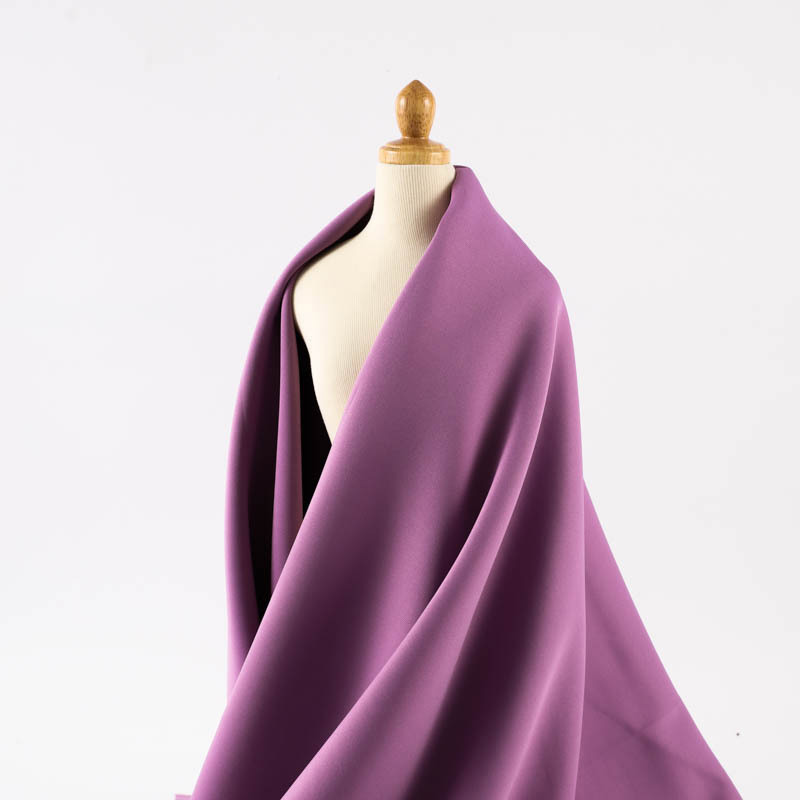 Wholesale 75D polyester ammonia knitted Han Nan silk health cloth Suppliers, FacShaoxing Yihan Textile Co., Ltd. is China wholesale 75D polyester ammonia knitted Han Nan silk health cloth suppliers and factory,The cha...View Product →
Roman and Sweatshirt Knits for Dryland Training
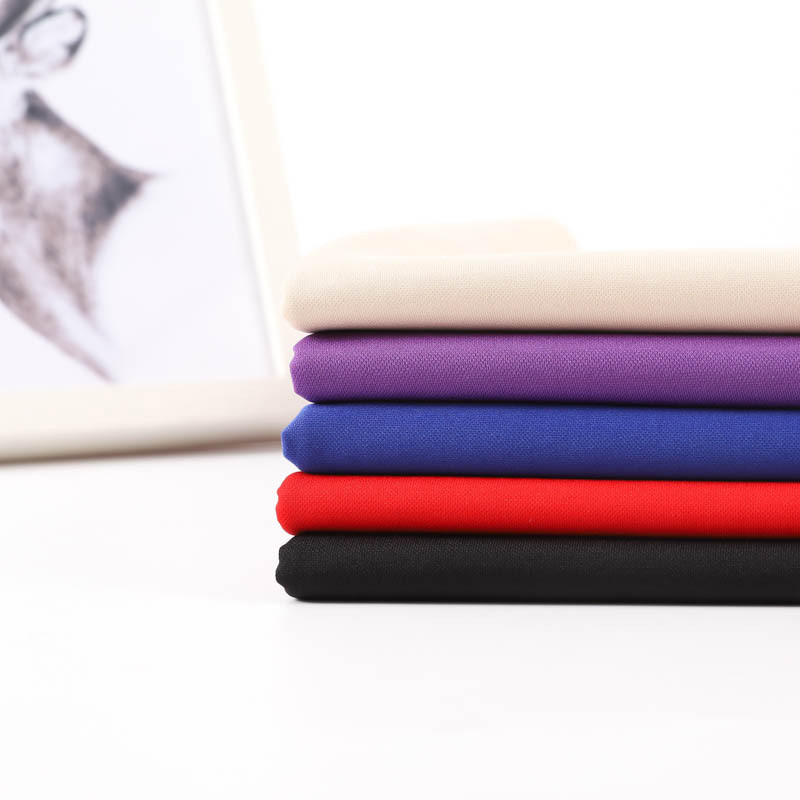
Strength training, cross-training, and warm-up apparel require a fabric with more substance and compression than a base layer. Roman fabric, a double-faced Italian-style knit, gives sportswear a smooth outer surface, a stable hand feel, and good shape retention. It is often used for training pants and zip jackets because it drapes well and resists bagging at the knees and elbows. For cooler pre- and post-session wear, brushed-back sweatshirt knits add warmth and a soft interior. A reliable outdoor sports fabric supplier should carry both categories, because sports brands rarely order a single construction; they build a collection around layered activity.
What to Verify with the Mill Before Bulk Production
Once you have selected a fabric structure, the supplier's manufacturing setup determines whether that fabric will arrive on time and to spec. Here are the points we recommend confirming before placing a production order.
Development and Sampling
- Ask for physical stock samples before committing to bulk. A mill with a ready sample bank shortens your development cycle significantly.
- Check whether the mill can develop a new structure from your drawing or reference sample, not just repeat existing catalog items.
- Clarify the development fee and timeline before pattern changes are requested.
Production Equipment and Capacity
Knitted fabric performance is decided on the machine. Machine gauge and cylinder diameter control stitch density, weight, and hand feel. For example, a 34-inch or 38-inch circular knitting machine running at 24 to 32 needles per inch can produce the fine, stable surfaces needed for outdoor sportswear. A factory with a large number of single- and double-jersey circular machines, such as the 100 double-sided and 80 single-sided machines installed at our facility in Shaoxing, can handle both lightweight mesh bodies and heavier air layer panels. Ask the supplier to state the gauge, yarn count, and finishing line for your target fabric, and request a development sample that matches those parameters.
Quality Control and Testing
Inspection should happen at every stage, not only at final roll-off. Confirm that the mill checks yarn quality, knitting defects, dyeing consistency, shrinkage, and colorfastness. If your market requires Oeko-Tex or other compliance documentation, verify the certification status early. A mill with in-house testing equipment will give faster feedback during development than one that outsources all testing.
Shipping and Service Considerations
Outdoor sports fabric is often ordered in multiple colors and weights for the same season, which makes logistics part of quality. A manufacturer located near a port can consolidate your batches and reduce inland transit time. Also confirm lead times and minimum order quantities before development begins, and ask how the mill handles after-sales issues such as shade variation or a defective batch. Clear service terms prevent the most common outdoor sourcing disputes.
The thread that connects every part of outdoor sports fabric selection is verification. Verify the structure against your activity: mesh and birdseye for ventilation, ice silk for sun and heat, air layer for warmth, roman knit for structure. Verify the numbers: denier, spandex percentage, gauge, shrinkage, and UPF. Then verify the mill: its machine base, sample capability, quality control, and delivery record. When those three layers are confirmed, an outdoor sports fabric order has a strong chance of becoming a best-selling garment. For a more detailed breakdown of the selection process and the trade-offs between different performance properties, see our guide on choosing the right outdoor sports fabric to improve performance.