English
 中文简体
Chiffon is one of those fabrics people recognize before they can name it. A client once handed me a swatch and said, "It feels like nothing, but not in a cheap way." That is close to the truth. Chiffon feels light, airy, and slightly dry in the hand, with a faint grain that keeps it from feeling slippery. It moves before you do, floats when you walk, and settles softly rather than clinging. The exact feel changes with fiber and finish, but the overall impression is consistent: sheer, weightless, and gently textured.
The First Touch: What Chiffon Feels Like in Your Hand
At its simplest, chiffon feels like a fine, open fabric with a little tooth. Run it between your thumb and forefinger and you notice two things at once: softness and a subtle roughness. It is not usually plush or creamy like satin, and it is not stiff like tulle. The surface may feel dry and cool at first, then neutral as it warms against your skin. Good chiffon has a lively, almost papery lightness. Poor chiffon can feel flat, scratchy, or overly stiff.
Hold it up to the light and the feel is confirmed by what you see: an even, open transparency rather than a dense block of color. Chiffon is sheer because the weave leaves space for light and air, not because it is weak. That structure is also why it feels cooler than many knits and lifts so easily in a breeze. It is also why the fabric can be delicate at seams.
| Fiber focus | How it feels | What buyers notice |
|---|---|---|
| Silk chiffon | Soft, slightly warm, with a subtle luster | Delicate drape and dry-clean care |
| Polyester chiffon | Dry, crisp, and uniform | Consistency, color, and lower cost |
| Nylon chiffon | Cool, smooth, and a little springy | A slightly slicker hand and crisp drape |
| Viscose or rayon chiffon | Soft, matte, and fluid | Gentle drape and more absorbent feel |
A matte finish feels drier and more papery, while a satin-brushed chiffon can feel smoother and more reflective. That is why the same fiber can produce very different garments.
Why Chiffon Feels So Light Without Feeling Flimsy
Chiffon gets its airy hand from fine yarns and an open, balanced weave. The yarns are often twisted in alternating directions, which creates the tiny crinkles many people describe as a crepe touch. The fabric has more air than substance. This is why a scarf can look generous and still feel almost absent around the neck, and why a dress can have volume without weight.
Light does not mean weak in every sense. Chiffon has give, but it does not stretch like a knit. Gather it and it collapses into soft folds; release it and it does not snap back sharply. A raw edge can feel fragile, and a sharp pull can distort the weave. That balance matters before you choose it for a close-fitting garment or a piece that will take hard wear.
Texture, Temperature, and Movement: The Three Sensations
Texture
The hand-feel has a faint grain, similar to very fine tissue paper or a soft cosmetic powder. It is smooth in one direction and slightly more resistant in another. This is not a flaw. That slight tooth is part of what separates chiffon from satin and from plain sheer polyester.
Temperature
Chiffon feels cool when first picked up because air passes through the open weave. It is not a performance cooling fabric, and it will not wick sweat like a technical knit. In a lined bodice or a layered dress, it quickly becomes neutral. In a loose blouse, it stays airy.
Movement
The most telling test is movement. Chiffon floats, brushes, and drifts rather than holds a hard line. In a dress it follows the legs; in a scarf it lifts with the smallest breeze; in a sleeve it gathers light. That fluid motion is a large part of the feel people mean when they call a garment romantic or easy.
Fiber Changes the Feel More Than Any Marketing Name
The word chiffon describes a weave and a finish more than a single fiber. That is why two fabrics labeled chiffon can feel different in the hand. Silk chiffon has a soft, slightly warm touch and a subtle luster. Polyester chiffon feels drier and more uniform, with a crisp edge that holds its shape. Nylon chiffon often feels cooler, smoother, and a little springier. Rayon or viscose chiffon tends toward a soft, matte, fluid hand.
Finish matters too. A matte chiffon feels drier and more papery. A satin-finished or brushed chiffon can feel smoother and more reflective. Washing, softening, and calendering all change the surface. Test the final production hand, not only the sample room hand.
How to Judge Chiffon by Touch
A few simple tests tell you more than a label. Use your hands, eyes, and a little patience.
- Rub the fabric gently between thumb and forefinger. You want softness with a faint grain, not the slick drag of satin.
- Drop a corner from waist height. Good chiffon opens and floats; poor chiffon falls flat or crinkles stiffly.
- Gather a handful. It should compress easily and release without sharp, permanent creases.
- Hold it up to light. The transparency should be even, without cloudy patches or dense bands.
- Pull a corner lightly. The fabric should give and return without bagging or distorting the weave.
If it feels slick like satin, it is not chiffon. If it feels stiff like organza, it may be a different weave. If it feels plush like velvet, it is something else entirely. Chiffon should feel light, open, and a little alive in the hand.
Where Chiffon's Feel Works Best, and Where It Does Not
Chiffon is at its best when a garment is meant to move: dresses, blouses, overlays, scarves, eveningwear, and soft occasion decor. Its lightness adds volume without bulk, and its transparency layers beautifully without turning heavy. It is less reliable for structured tailoring, tight performance wear, heavy upholstery, or items that rub against rough surfaces all day.
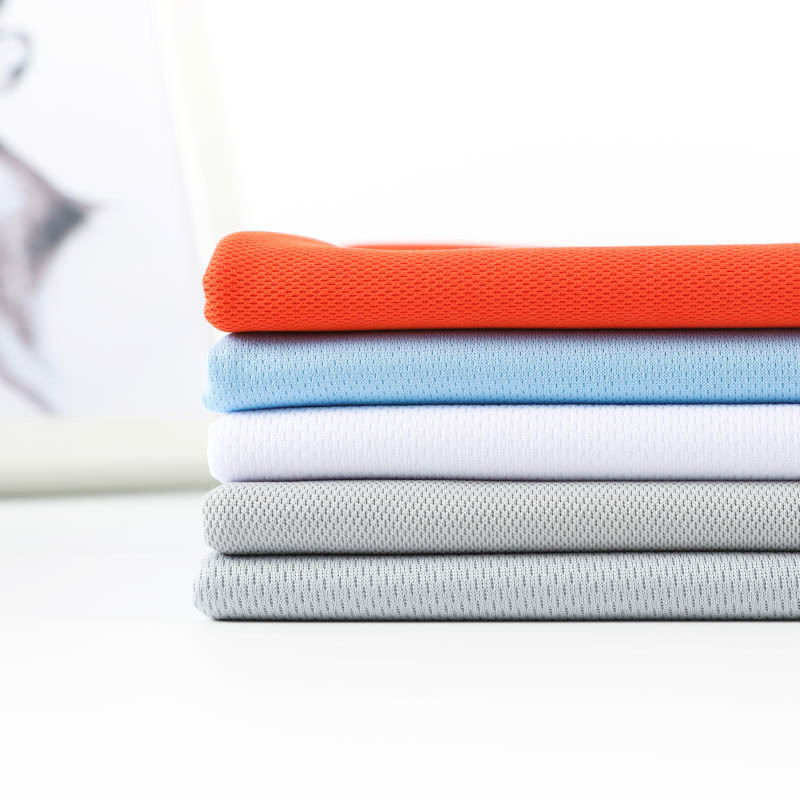
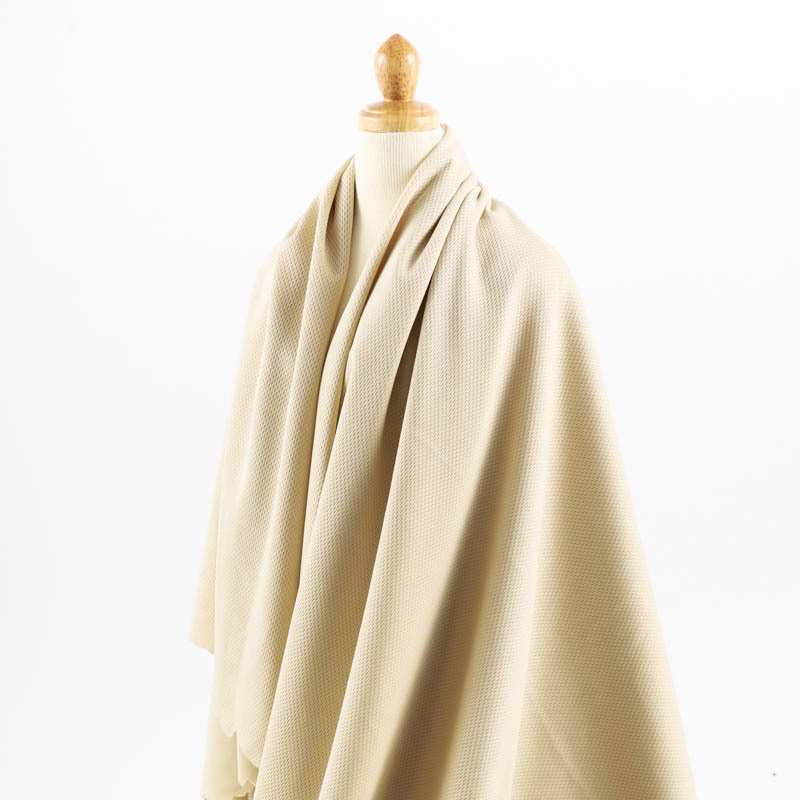
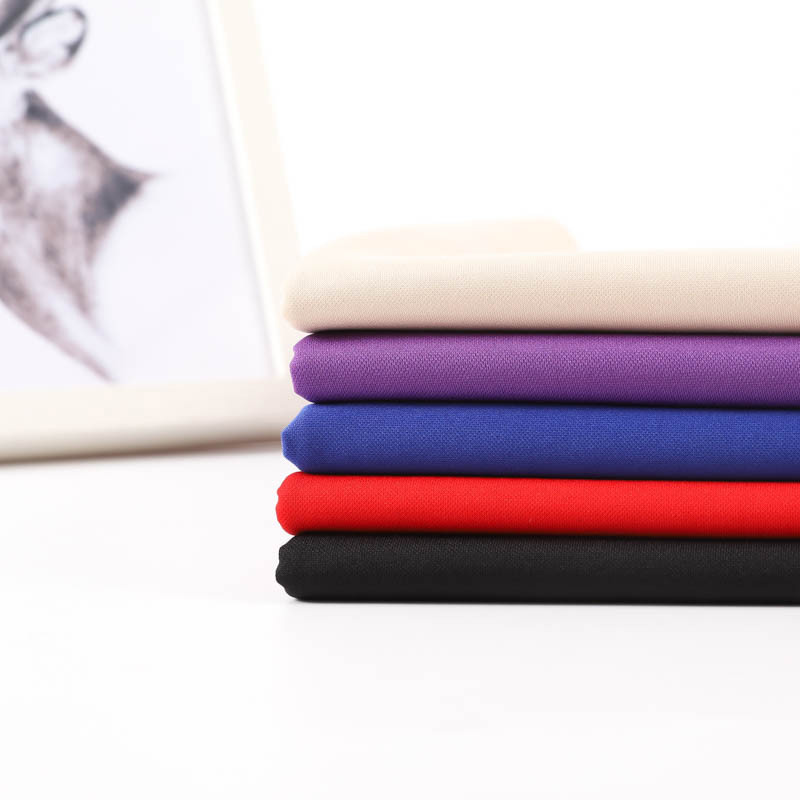
At our mill, we work mainly in knits, not woven chiffon, so we do not pretend one fabric can replace the other. When a customer asks for that airy, second-skin sensation in a T-shirt, lining, or summer top, we often discuss milk-silk knit. It feels smooth and soft against skin, though it stretches and recovers in a way chiffon does not. For a cooler, sleeker hand, an ice-silk knit can point in a different direction.
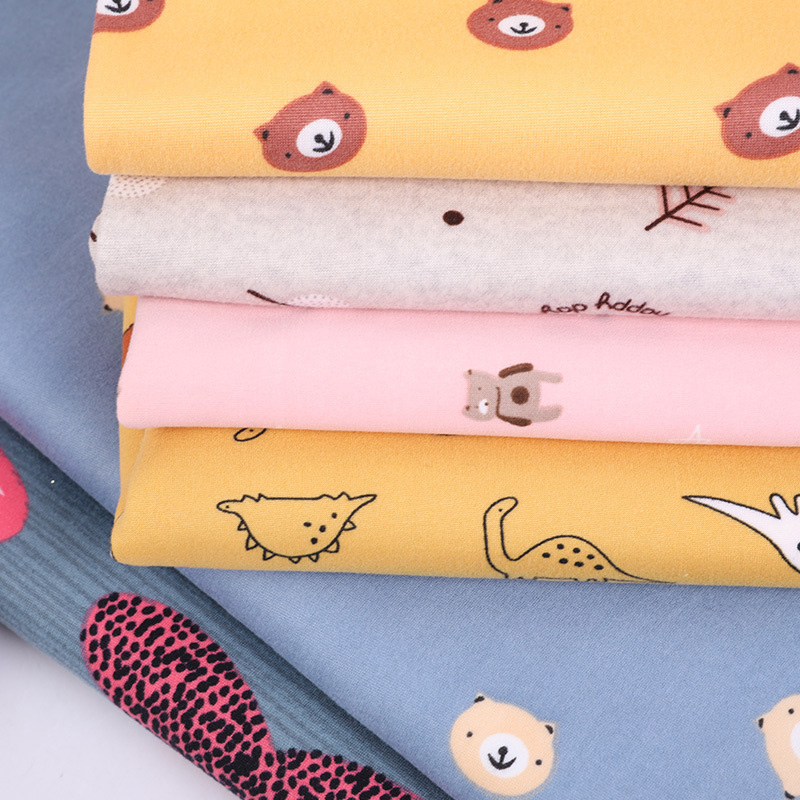 Ammonia-Free 75D Milk Silk Knit FabricSoft, skin-friendly knit offered for wholesale, with breathability and moisture-conducting properties suited to shirts and T-shirts.View Product →
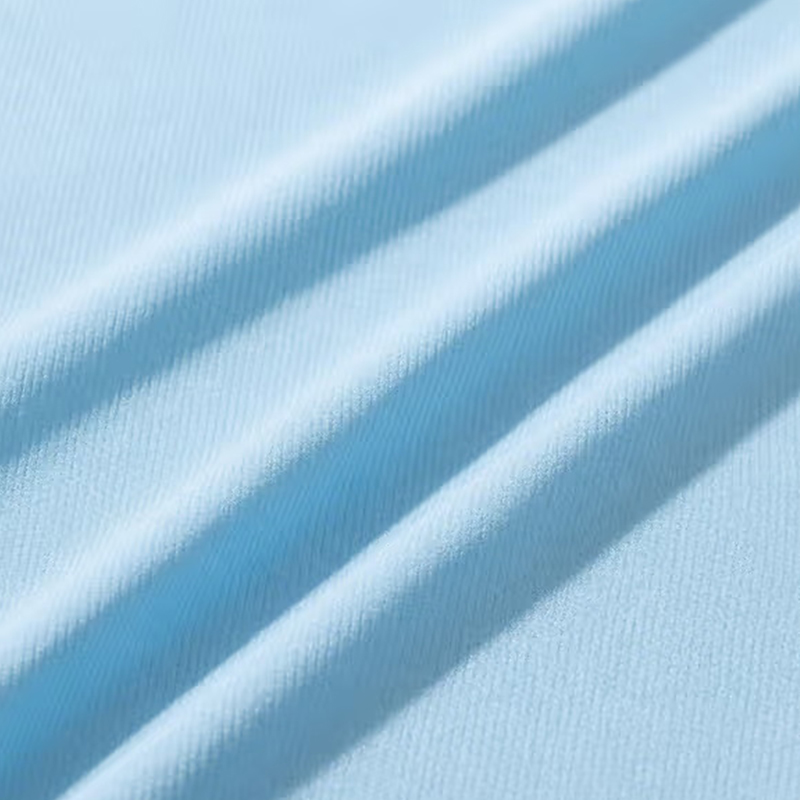 Ice Silk Plain Weave UV Sunscreen FabricBreathable coated plain-weave fabric for outdoor UV protection, offered for wholesale sunscreen shirts and sun hats.View Product →
Both are knit options for buyers who want lightness without the seam care and fraying risk of a sheer woven fabric. They are not chiffon, and that is the point: the right answer depends on the garment, not on the name alone.
Chiffon in Production: What the Hand Test Won't Tell You
A fabric can feel lovely in a showroom and behave badly on a cutting table. Chiffon is slippery and prone to shifting. It can fray at raw edges, pull at seams, and show needle marks if handled roughly. Finer needles, seam tape, French seams, and a light hand all matter. A lining or a planned seam finish often does more for the final feel than another softener.
Finishing also changes the hand. Washing can soften the fabric, calendering can smooth it, and dyeing can add or reduce body. A buyer should check the production lot, not only the first sample. Ask how the fabric behaves after cutting, sewing, pressing, and packing. If you need a fabric that keeps a clean edge under pressure, chiffon may not be the best choice. If you need float and transparency, few weaves do it better.
So, how does chiffon feel? It feels light without being empty, soft with a faint grain, cool at first, fluid in motion, and almost weightless against the skin. It does not hold a sharp shape; it follows air, light, and movement. If you are choosing a chiffon for a dress, scarf, or overlay, trust your hand as much as the label. If you need a knit with a lighter, softer hand for everyday wear, we are glad to walk through options with you. Send us the feel you have in mind, not only the fiber name, and we can start there.