English
 中文简体
Silk has a reputation for being fussy at the ironing board, and in our experience most of the damage we hear about — a flattened sheen, a pale shiny patch, a faint water ring, a seam that has quietly grown half a centimetre — comes down to three habits: too much heat, too much moisture, and pressing a garment that is still wet. Get those three right and silk presses beautifully, often in less time than a cotton shirt.
We weave and knit fabrics for a living, from fine mulberry silk to silk-like knits such as milk silk, and the same handful of principles keeps coming back. Here is the routine we would hand to a friend who had just bought her first silk dress and was nervous about touching it with an iron.
Why Silk Needs a Gentler Iron Than Cotton
Cotton is a cellulose fibre and tolerates a genuinely hot iron. Silk is a protein fibre, much closer to wool and hair in the way it responds to heat. It scorches, yellows and eventually burns long before cotton would, and a hot soleplate resting in one spot flattens the fibre so thoroughly that the shine can become permanent — no amount of gentle washing brings the texture back.
Water changes the picture too. Silk can lose a noticeable share of its strength when soaking wet, which is exactly why pressing a dripping hem is a bad idea: the weight of the iron stretches the weave and the seam line wanders off course. The sweet spot is slightly damp, never wet.
So the rules stay simple: low heat, a pressing cloth, a light hand and constant movement. Most irons mark that setting "silk", or somewhere around 110–120°C. If your iron has no markings at all, its lowest setting is almost always the right one for silk.
What You Need Before You Start
- An iron with a clearly marked temperature dial — steam is useful, but you should be able to switch it off
- A pressing cloth: a plain white cotton tea towel, a piece of muslin or a clean cotton pillowcase all work
- A spray bottle of plain water for light misting
- An ironing board with a little padding, or a folded cotton towel on a flat table
- A padded or wooden hanger, plus somewhere to hang the garment while it cools
- Distilled water for the iron's tank if your tap water is hard, to avoid mineral droplets
Test on a hidden area first — an inside seam allowance, the inside of a hem, the inside of a cuff. Fifteen seconds of testing saves a great deal of regret.
How Do I Iron Silk, Step by Step
- Read the care label before you plug anything in. Some silks are marked dry clean only, and beaded, heavily embroidered or hand-printed pieces belong with a professional rather than on a home board.
- Heat the iron while you set up. Fill the tank, let the iron come to temperature, and lay out your pressing cloth and hanger within reach so you never leave the iron face-down on the fabric.
- Set the lowest heat, or the "silk" position if your dial has one. Empty the water tank and skip steam entirely on dark colours, which show water marks most easily.
- Turn the garment inside out. Pressing the reverse side is the single most effective way to avoid shine, and it lets you work on seams and facings without touching the face of the cloth.
- Lay the pressing cloth over the area. Even at low heat, the cloth diffuses the soleplate and stops a glossy film forming on the surface of the silk.
- Press, don't glide. Lower the iron, hold for a second or two, lift, and move on. Sliding stretches the weave and drags creases into new positions.
- Work in small sections, starting with the least visible areas — hems, facings, the inside of sleeves — before moving to the collar, cuffs and front panels.
- Hang it up immediately and let the piece cool completely before wearing or folding. Warm silk takes a fold very easily, and a fold pressed in while warm becomes a crease within minutes.
If one stubborn crease survives, resist the urge to add heat. A light mist of water, a fresh pressing cloth and a few extra seconds of contact will usually do it, and the fabric will thank you for the patience.
Silk and Silk-Like Fabrics: Heat and Pressing Guide
The numbers below are the starting points we suggest to customers who ask us how to handle a new roll of fabric at home or in a sample room. Treat them as a first attempt, not a guarantee.
| Fabric | Iron setting | Pressing cloth | Steam | What to watch for |
|---|---|---|---|---|
| 100% mulberry silk | Lowest / silk, around 110°C | Always | Short bursts only | Shine marks and water rings |
| Silk blends (silk-cotton, silk-viscose) | Low, 110–120°C | Yes | Light | Two fibres scorch at different rates |
| Silk with elastane | Low, 110°C, no pressure | Yes | No | Heat weakens stretch; seams ripple |
| Milk silk knits | Low synthetic setting | Yes | Light | Fibres relax with heat; do not pull |
| Ice silk (fine polyester) | Low to medium, around 120°C | Recommended | Brief | Glossy surfaces show every mark |
Steam, Spray, or Neither?
When steam helps
Light steam relaxes silk fibres and can lift a crease without any pressure at all. Hanging a garment in a steamy bathroom for ten minutes before you press is a gentle way to start, and it often removes the worst of the travel creases so the iron only has to finish the job.
When to keep the iron dry
Crisp silks such as taffeta and crepe, and any dark or saturated colour, are safer with a dry iron and a pressing cloth. Steam droplets land unevenly and leave rings that are far harder to remove than the crease you were chasing.
If you would rather not iron at all
Mist the garment lightly, smooth it with clean hands, and hang it somewhere warm and airy with a little space around it. The weight of the hem does most of the work overnight. This works especially well on silk jersey and fine knits, where an iron is often more risk than it is worth.
Silk-Like Knits Behave a Little Differently
Milk silk, ice silk and similar fine-gauge knits are usually polyester-based and often contain a little elastane. They tolerate a slightly higher temperature than pure mulberry silk, but they bring two problems silk does not: heat softens the elastic over time, and the knitted structure stretches under the iron.
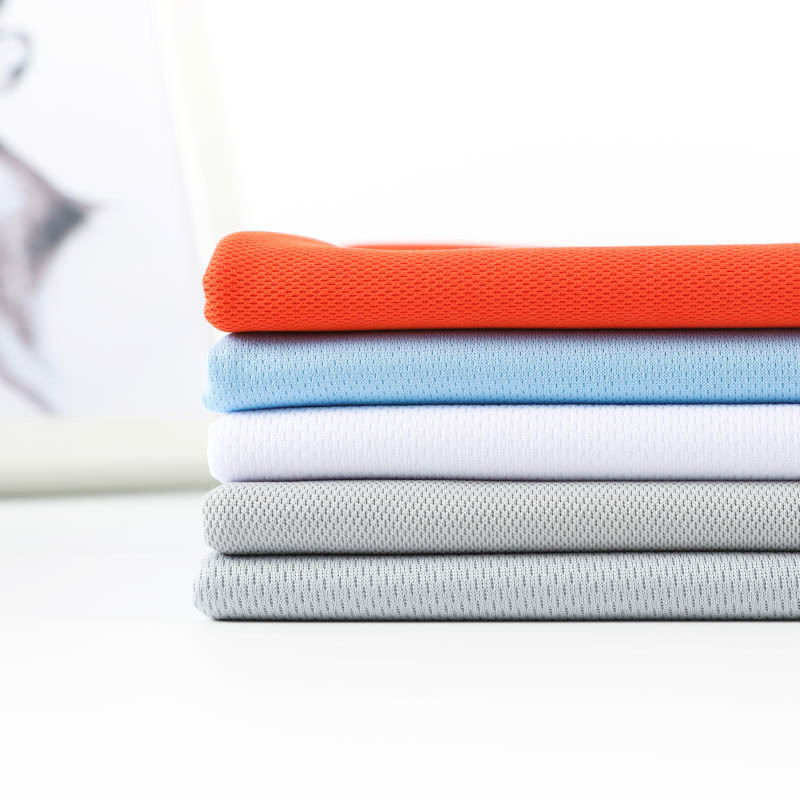
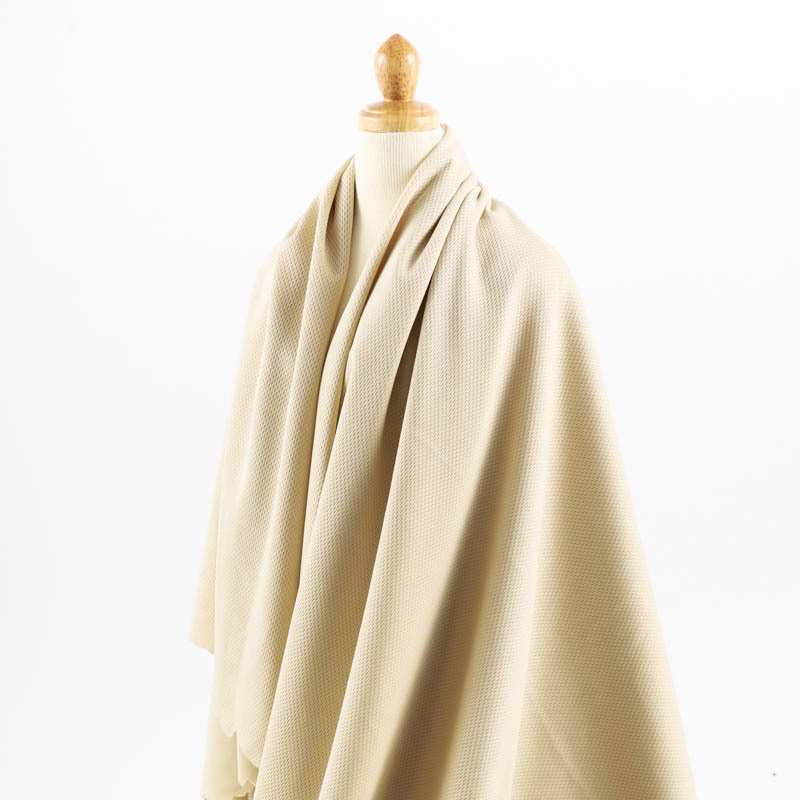
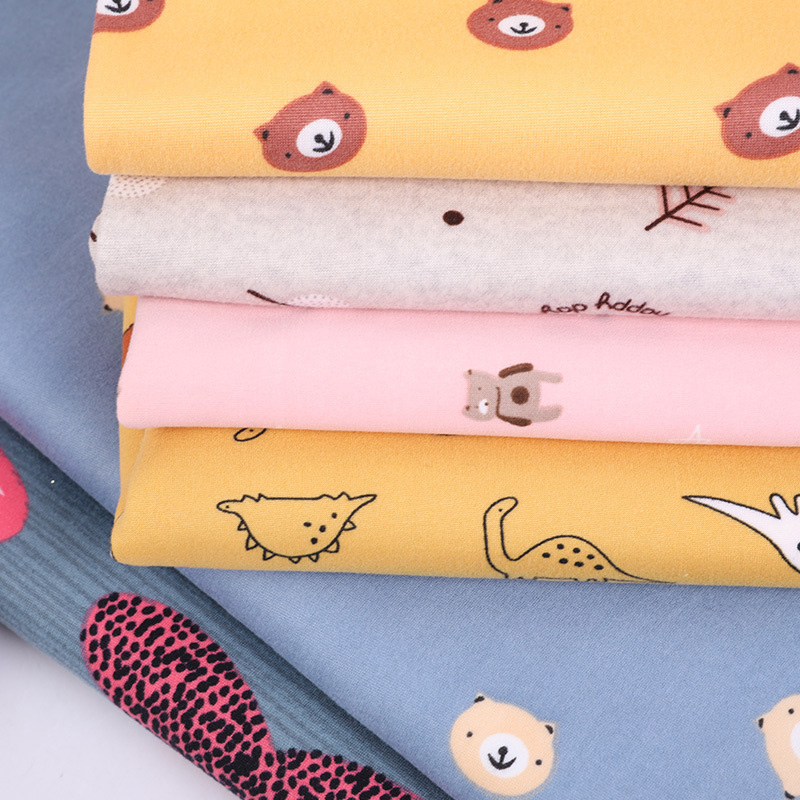 75D Ammonia-Free Milk Silk FabricA soft, skin-friendly 75D milk silk fabric with breathability and moisture management, suited to shirts and T-shirts.View Product →
Press these fabrics flat on the board with the garment supported, never hanging free, and never pull a damp seam to straighten it. Let the weight of the iron do the smoothing. For pieces that are washed often, our care guide for ice silk fabric covers washing, drying and storage in more detail.
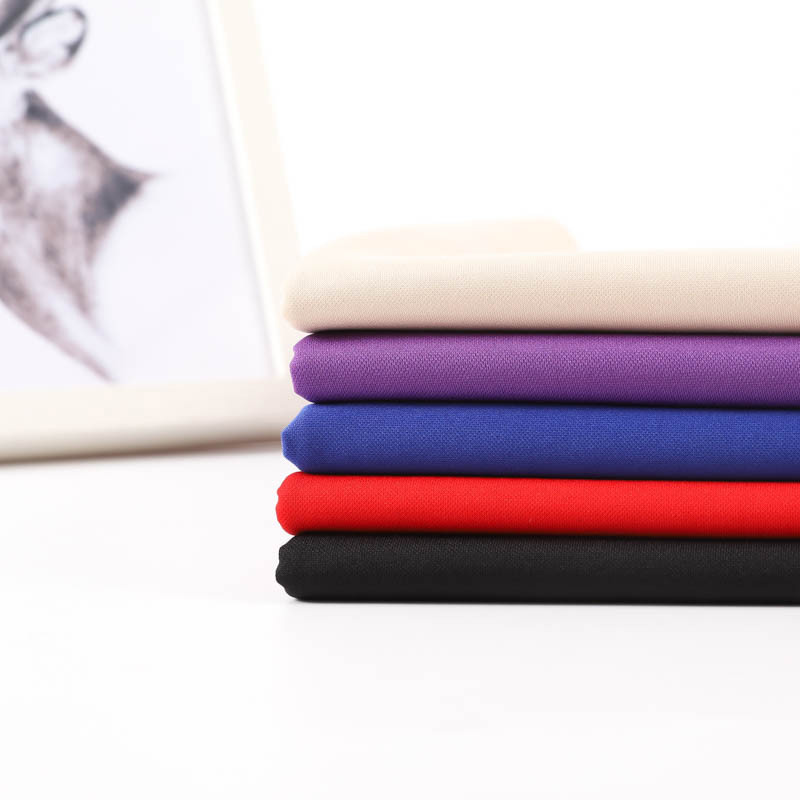
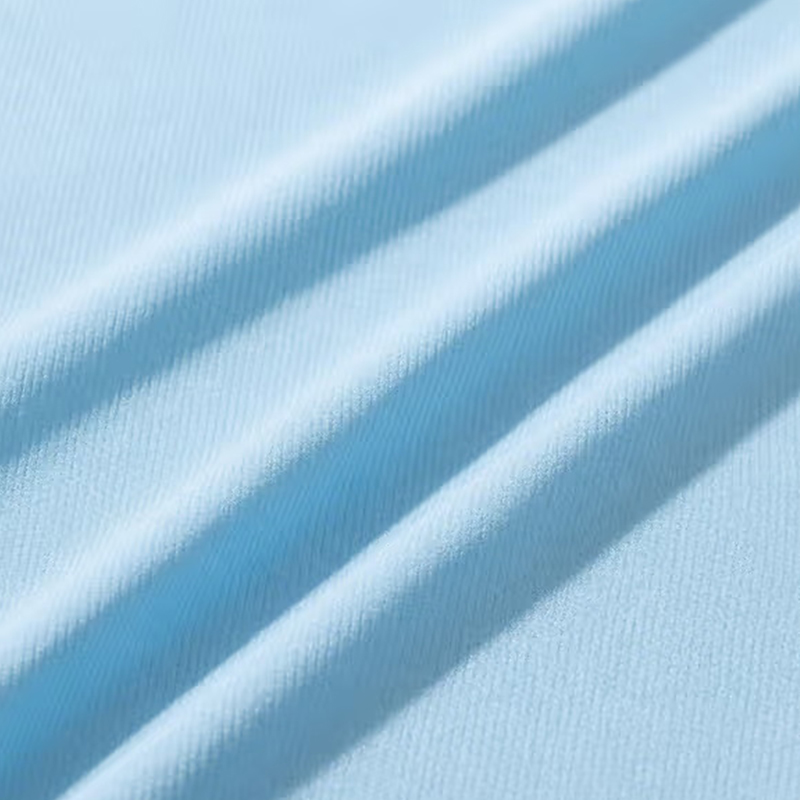 Ice Silk Plain Sunscreen FabricA lightweight, breathable plain-weave fabric with UV-blocking coating, suited to outdoor sunscreen shirts, hats and travel wear.View Product →
Mistakes That Leave Shine, Water Marks or Stretched Seams
- Pressing the face of the fabric without a cloth, which polishes the surface into a permanent sheen
- Resting a hot iron on the board or the fabric while you answer the phone
- Pressing over an existing crease from the wrong side and setting a double line
- Using a steam burst on a dark colour and letting droplets land on the cloth
- Stretching a damp seam to "smooth it out" — it will dry out of shape
- Hanging a heavy wet silk dress on a thin wire hanger, which leaves shoulder points
- Ironing straight over beading, sequins or a printed surface instead of working around them
Storing Silk So You Iron Less Often
Most of the creases we fight at the board are made in the wardrobe. Fold silk loosely rather than pressing a hard line into it, or roll it around a tissue-paper core for travel. Hang garments on padded hangers with a little breathing room, keep them out of direct sunlight, and use a breathable cotton dust bag instead of plastic, which traps moisture and encourages mildew.
Give a garment twenty-four hours on the hanger before you decide it needs the iron at all. Silk relaxes remarkably well on its own, and half the pressing jobs we start are simply not necessary.
Silk rewards patience rather than force: low heat, a cloth between the metal and the cloth, light pressure and a little time on the hanger. Whether you are pressing an heirloom scarf or a length of milk silk jersey, the same approach applies — and if you are sourcing fabric rather than caring for a finished garment, the pressing behaviour of a roll is something worth asking about before you place an order.