English
 中文简体
Fabric is the foundation of almost everything we wear and use every day, yet the journey from raw yarn to finished cloth remains a mystery to many. If you have ever asked how are fabrics woven, the honest answer is that textiles are constructed in two fundamentally different ways: weaving and knitting. Each method produces its own set of physical characteristics, and understanding the difference helps designers, manufacturers, and buyers choose the right material for the job.
Weaving vs. Knitting: Two Core Fabric Construction Methods
Although people often use the word "woven" loosely to describe any fabric, textile professionals draw a clear line between woven and knitted constructions.
Woven fabrics are created by interlacing two sets of yarns at right angles. The vertical yarns, called warp, run along the length of the fabric, while the horizontal yarns, called weft, pass over and under them. This tight, ordered structure gives woven fabrics strength, dimensional stability, and a crisp hand feel.
Knitted fabrics, by contrast, are formed from one continuous yarn (or a set of yarns) bent into interlocking loops. Because these loops can shift and stretch, knitted fabrics are naturally elastic, soft, and highly conformable to the body.
| Feature | Woven Fabric | Knitted Fabric |
|---|---|---|
| Basic construction | Interlaced warp and weft yarns | Interlocked loops of yarn |
| Stretch | Limited, mainly on the bias | High in all directions |
| Dimensional stability | High | Moderate |
| Common uses | Shirts, denim, home textiles | T-shirts, sportswear, underwear |
If you want to explore how these differences play out in practice, our guide to knits vs. woven fabrics breaks down the structural and performance contrasts in more detail.
How Woven Fabrics Are Made: Warp, Weft, and the Loom
Looms have been weaving cloth for thousands of years. Modern shuttleless looms run at remarkable speeds, but the core principle remains unchanged. Weaving follows three recurring motions:
- Shedding: the loom lifts some warp yarns while lowering others, creating an opening called the shed.
- Picking: a weft yarn is inserted through the shed, carried by a shuttle, a rapier, or a jet of air or water.
- Beating: the reed pushes the newly inserted weft yarn firmly against the fabric already woven.
By repeating these motions thousands of times per minute, the loom builds cloth row by row. The density of the yarns and the pattern of interlacing determine the weave structure. The three most common structures are plain weave, twill weave, and satin weave. Plain weave offers balance and durability, twill creates diagonal lines with a softer drape, and satin uses long floats to produce a smooth, lustrous surface. Each structure changes how the fabric feels, falls, and performs in a finished garment.
How Knitted Fabrics Are Made: Loops, Needles, and Circular Machines
Knitting takes a completely different route. Instead of interlacing yarns, knitting needles hook the yarn into loops and pull new loops through existing ones. There are two main categories: weft knitting and warp knitting.
Weft knitting is the method most people picture when they think of a knitting machine. A single continuous yarn feeds across the width of the fabric, forming horizontal rows of loops. This technique is widely used for T-shirts, sweatshirts, and activewear because it delivers excellent stretch, comfort, and softness.
At Shaoxing Yihan Textile, we specialize in weft-knitted fabrics produced on circular knitting machines. Our factory operates more than 100 double-sided circular knitting machines and 80 single-sided machines, covering needle counts from 24 to 32 needles per inch. This setup allows us to produce consistent, stable knit structures at scale, whether for uniform programs, sportswear lines, or everyday apparel.
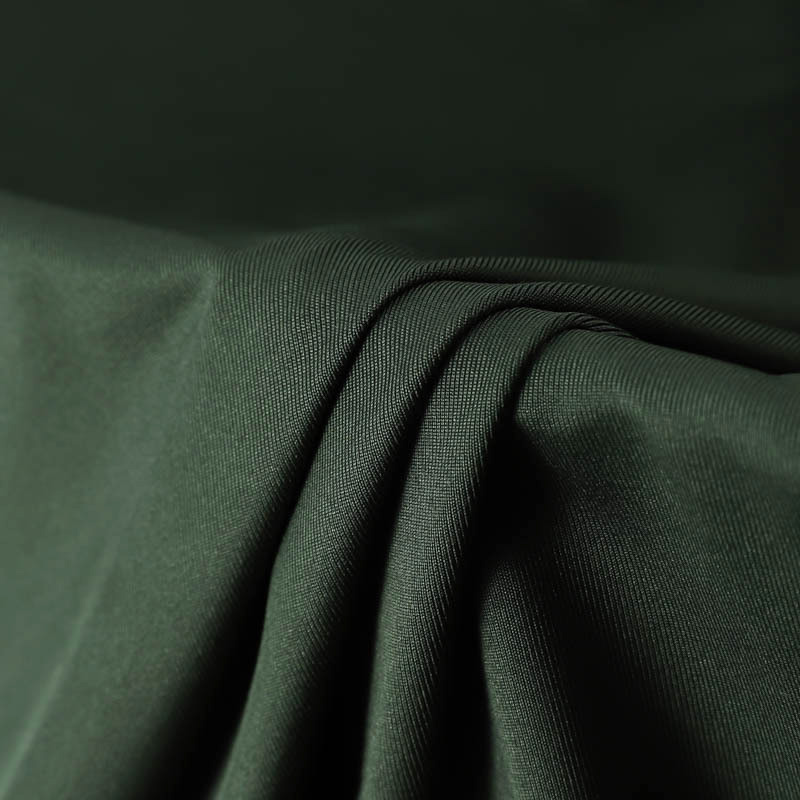
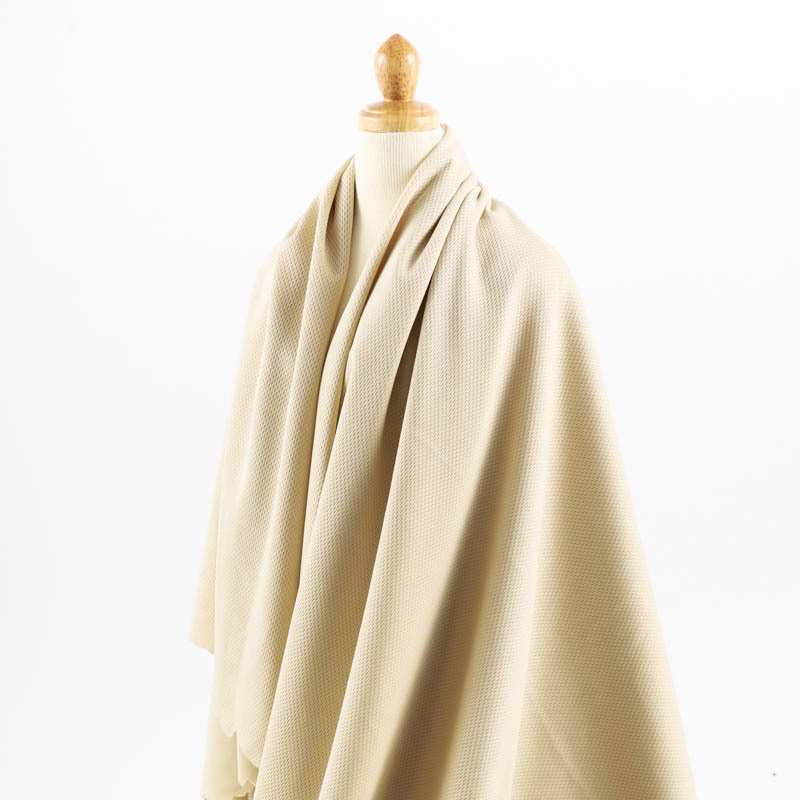
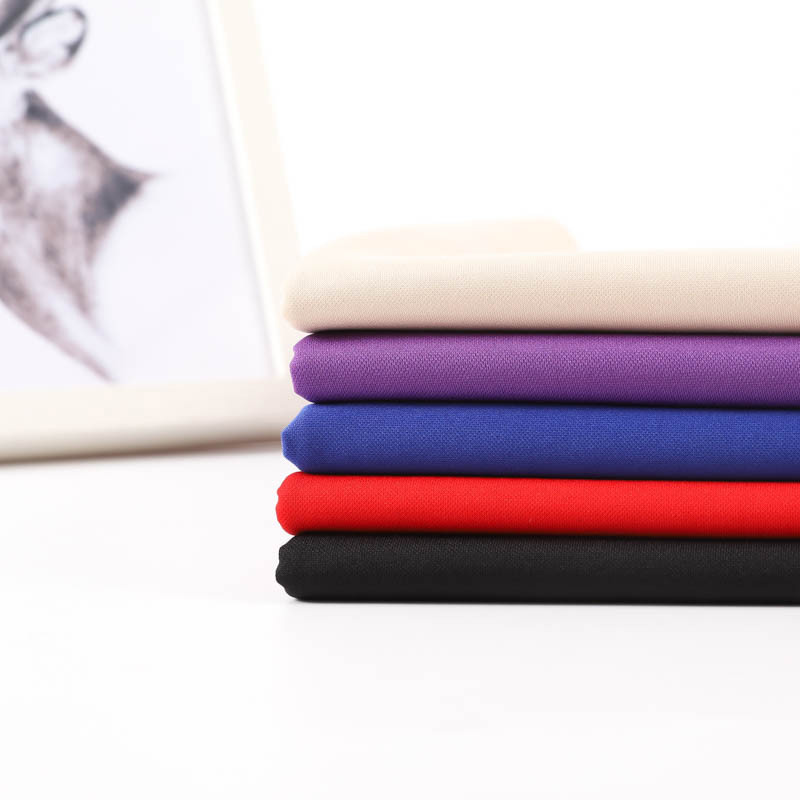
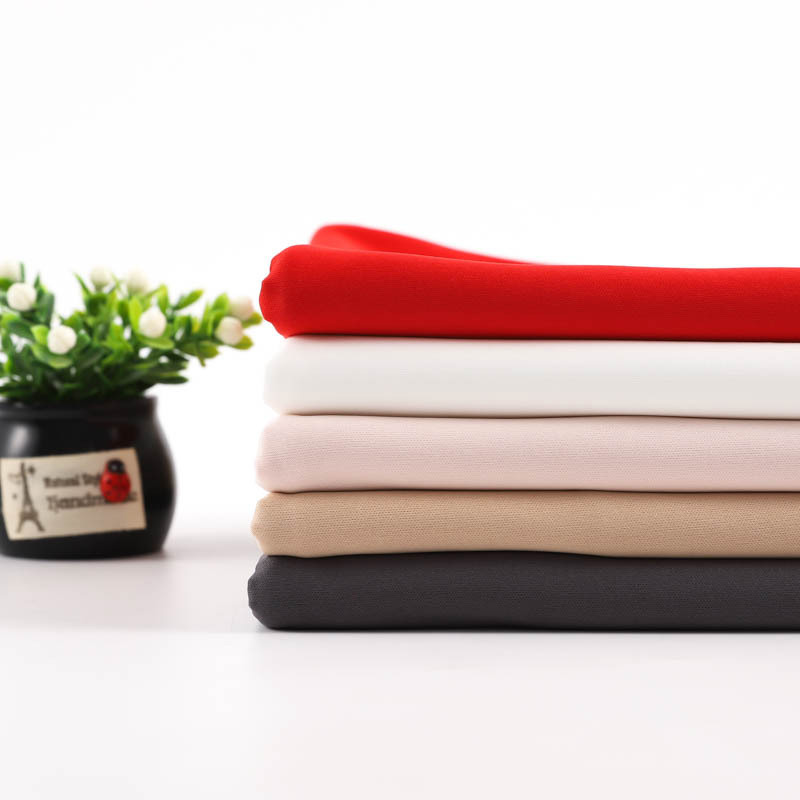 50D Polyester Single-Sided Flat Knit FabricLightweight, breathable, and sweat-absorbent single jersey ideal for summer wear and sportswear, offering softness and durability while keeping the wearer dry.View Product →
Single jersey is the simplest and most widely used weft-knitted structure. It is smooth on the face, with visible V-shaped loops on the reverse, which makes it a natural choice for everyday clothing and performance wear alike.
Popular Knitted Structures Used in Apparel and Sportswear
Beyond single jersey, modern knitting machines can create a surprisingly diverse range of structures by adjusting needle arrangements, yarn feeds, and machine settings. Some of the most common include:
- Rib knit: vertical columns of loops on both sides, offering excellent recovery and commonly used for cuffs, collars, and form-fitting garments.
- Interlock or double-sided flat cloth: two layers of jersey locked together, producing a heavier, smoother fabric with a clean finish on both sides.
- Jacquard: patterns knitted directly into the structure rather than printed on the surface, giving the fabric durable, long-lasting designs.
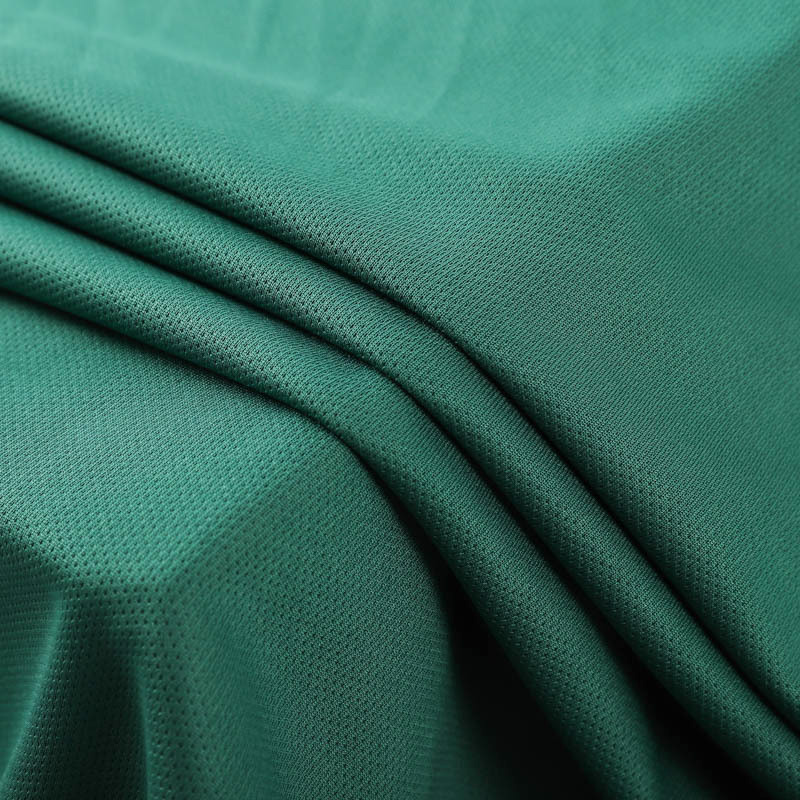
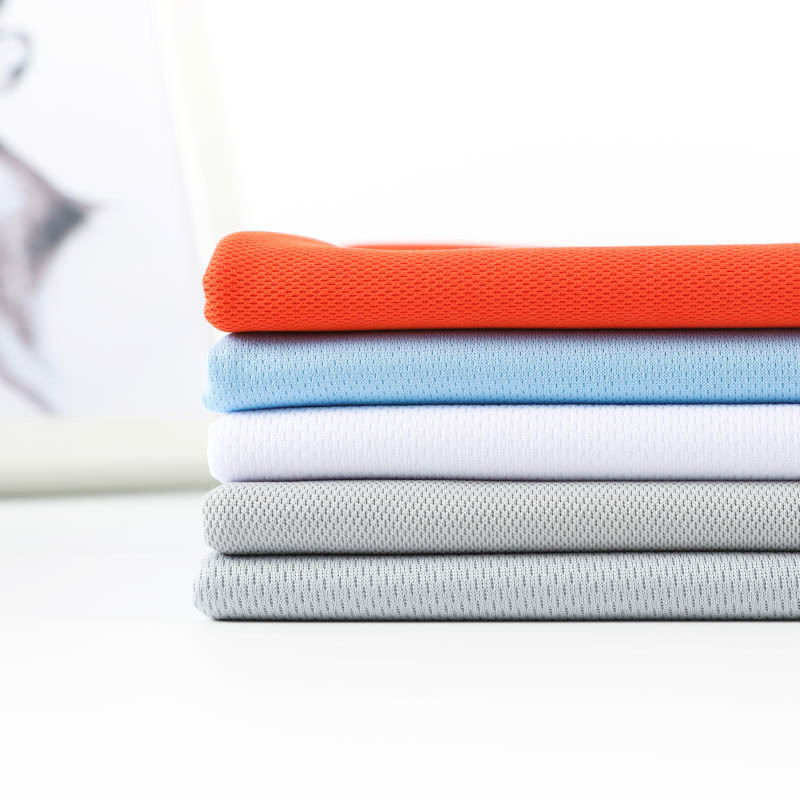
- Birdseye mesh: a small honeycomb-like open structure that is breathable, lightweight, and quick-drying, ideal for sports and layering pieces.
- Air layer fabric: a thick, spacer-like construction with internal air pockets that provide insulation while remaining breathable.
Double jacquard has become especially popular in modern apparel because the pattern is part of the fabric itself. Designs will not fade, crack, or peel after repeated washing, which makes jacquard a premium choice for both clothing and upholstery.
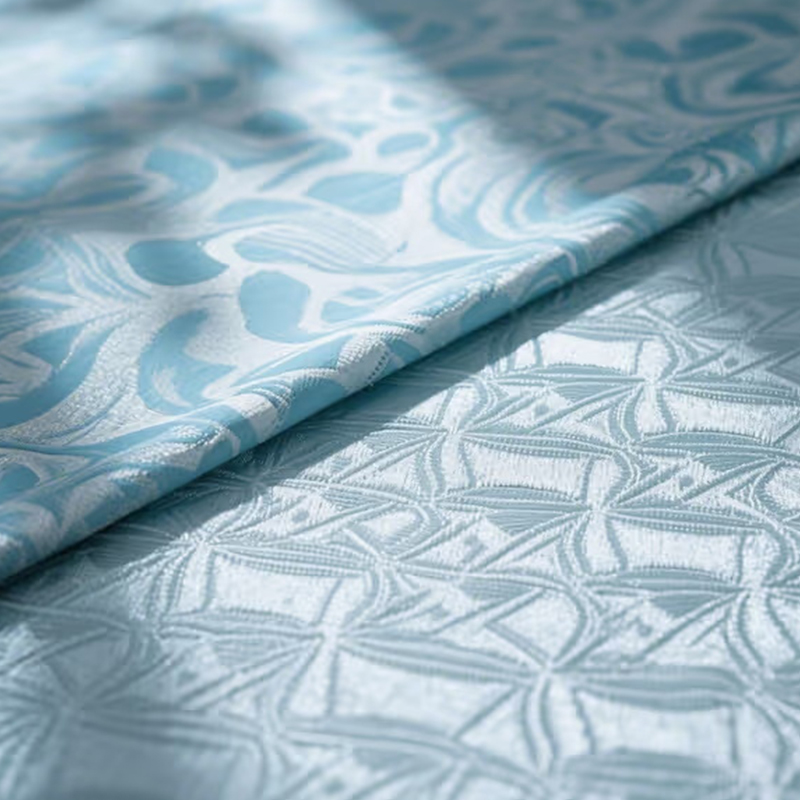 Thick Double-Faced Jacquard FabricA warm, high-density woven jacquard with patterns on both sides, suited for autumn and winter garments that require refined, long-lasting design.View Product →
When a garment needs to combine warmth, structure, and breathability—such as a sweatshirt, jacket, or even a student uniform—air layer fabric offers an excellent balance thanks to its internal air pockets.
 Air Layer Fabric for Insulation and BreathabilityInnovative knit with internal air pockets that balances warmth and airflow, available with antibacterial or waterproof finishes for outdoor and protective wear.View Product →
Understanding the range of knitted constructions is important for anyone sourcing fabric. Our overview of knitted fabrics explains how these structures are engineered and where they perform best.
What Happens After the Fabric Is Woven or Knitted
Once a fabric leaves the loom or the knitting machine, it still has a long way to go before it becomes a garment. Finishing processes shape the final hand feel, appearance, and performance. Scouring removes impurities from the yarn, dyeing or printing adds color and pattern, heat-setting stabilizes dimensions and prevents distortion, and mechanical finishes such as brushing, sanding, or calendering can change the surface texture dramatically.
These steps work in combination with the construction method. A tightly woven fabric and an open looped knit will respond differently to the same finishing treatment, which is why manufacturers need to control both the structure and the finish together.
Choosing the Right Fabric for Your Product
So how do you decide which construction is right for your project? Start with the end use. Woven fabrics suit tailored garments, shirting, and home textiles where stability and structure matter most. Knitted fabrics suit activewear, loungewear, children's clothing, and any application where comfort and stretch are priorities.
At our mill in Shaoxing, we have spent years helping customers work through this decision. As a source factory with more than 100 stock samples and an in-house development team, we can produce knit fabrics to your drawings or reference samples and advise on the best structure before production begins. Whether you need a lightweight single jersey, a structured jacquard, or a warm air layer fabric, understanding how fabrics are woven and knitted is the first step toward making the right choice.