English
  中文简体
中文简体 Silk scarves look effortless or rumpled depending on how they spent the last month in the closet. Most creases do not come from wearing them; they come from storage. A folded scarf pressed under a stack of knitwear, a square left on a thin wire hanger, or a damp evening folded back into a drawer before it dried can all leave marks that take a week to relax.
We handle fabric every day, and the same principle that keeps a roll of material smooth in a warehouse applies to a scarf drawer at home: brief, light pressure is harmless, while long-term pressure, moisture and heat leave their signature. This guide covers how to store silk scarves without wrinkling, which method suits which scarf, and what to do when a crease has already set.
Why Silk Creases So Easily in Storage
Silk is a fine protein fibre with a smooth surface and very little natural elasticity. When it is folded under weight, the fibres on the outside of the fold stretch slightly while the inner ones compress. Hold that position for a few weeks and the fibres settle into the new shape, which is why a fold line can outlast the outfit it was stored with.
Three conditions make the problem worse:
- Weight. One scarf folded loosely is fine. Twenty stacked in a single drawer is not.
- Moisture. Humidity softens the fibre and lets creases set faster, so a scarf worn on a rainy day should be aired before it goes back.
- Heat and light. Direct sun fades dye and dries the fibre, making folds sharper and more brittle over time.
Blends and silk-like synthetics behave differently. A polyester or milk silk blend usually springs back better than pure silk, but it can still pick up hard fold lines if it sits squashed for months.
Five Storage Rules That Prevent Most Wrinkles
- Store flat or loosely rolled, never hanging on a thin hanger for weeks.
- Never pile heavy items on top; scarves belong in the top layer of a drawer or in a box of their own.
- Use acid-free tissue or washed cotton muslin between layers as a soft buffer.
- Skip sealed plastic bags, because silk needs to breathe and trapped damp air sets folds.
- Refold along new lines every few months so the same crease is never reinforced.
Choosing a Storage Method That Fits Your Space
Flat folding in a shallow drawer
This is the default for most scarves and the easiest to keep tidy. Fold the scarf in half, then in half again along its natural grain, and lay it flat so the folds stay soft. Keep the stack shallow, two or three scarves deep at most, and use an insert tray in a deep drawer so nothing heavy can rest above.
Rolling around a soft tube
Rolling suits long, lightweight scarves and delicate prints. Wrap the scarf loosely around a tube about the diameter of a paper towel roll and slide it into a box. Because the fabric curves instead of folding, there is no hard crease line at all. Keep the roll relaxed, since pulling it tight can stretch the edges.
Hanging, only briefly
Hanging works for a scarf you plan to wear this week, but it is a poor long-term home. The weight of the fabric pulls against the bar, distorting the shape over time. If you hang, use a padded hanger, drape rather than knot, and take the scarf down after a few days.
Filing upright in boxes or trays
Stackable boxes and drawer dividers let you file scarves upright like folders. Each one stands on a soft fold, nothing presses down from above, and every pattern stays visible. For a collection of more than a dozen, this is the method we suggest.
Comparing Storage Methods at a Glance
Every method trades space against smoothness. The table below summarises how each one performs.
| Method | Crease risk | Space used | Best for |
|---|---|---|---|
| Folded flat in a drawer | Low if the stack stays shallow | Moderate | Everyday scarves, small collections |
| Rolled around a soft tube | Very low | Higher | Long scarves, delicate prints |
| Hanging on a padded hanger | High over time | Low | Scarves in weekly rotation |
| Filed upright in boxes | Low | Moderate to high | Large collections |
| Sealed plastic bag | High, traps moisture | Low | Not recommended |
Small Habits That Keep Silk Smooth Day to Day
How you handle a scarf on an ordinary afternoon matters as much as where it sleeps.
- Air it out for twenty to thirty minutes over a chair back after wearing, before it returns to storage.
- Rotate scarves so no single piece stays folded in the same position for months.
- Keep scarves away from handbags, shoes and anything else that presses down on them.
- When travelling, roll the scarf around a small tube inside a pouch instead of folding it flat in a soft bag.
- Give each scarf one home, so you never have to dig through a crowded drawer to find it.
Humidity, Light and Pests
Silk likes what you like: a cool, dry, dark place with a steady temperature. Attics that bake in summer and basements that stay damp both speed up fibre damage, so an interior closet in a bedroom is usually ideal.
For pests, cedar blocks or lavender sachets are gentler than mothballs, whose fumes can linger in the fibre. Check stored scarves once a season for small holes, because catching an infestation early is far easier than repairing silk. Keep everything out of direct sun, which fades colour and makes folds brittle, and avoid storing scarves against an exterior wall where condensation forms.
How to Rescue a Scarf That Is Already Creased
- Hang the scarf in a steamy bathroom for fifteen to twenty minutes so gentle humidity relaxes the fibre.
- For stubborn creases, use a hand steamer held a few centimetres away, moving steadily across the fabric.
- If you iron, use the lowest heat setting, place a clean cotton cloth over the scarf, and press rather than slide.
- Let the scarf dry completely, laid flat, before folding it back into storage.
A crease that has been set for a long time may need two or three rounds of steaming on separate days. Avoid ironing the same fold line repeatedly, as heat plus pressure is what created it in the first place.
Why Some Silk-Like Fabrics Crease More Than Others
If you sew scarves, or you are choosing fabric to make them, fibre and construction matter as much as your storage routine. Tightly woven pure silk will always hold a fold, while a soft knit or a fine synthetic with a little elasticity tends to spring back.
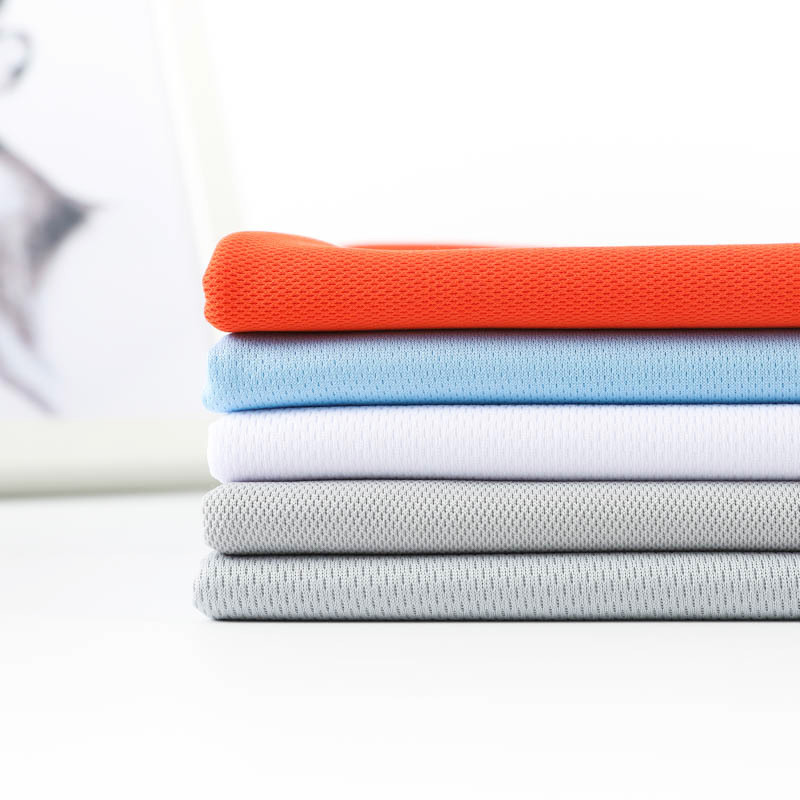
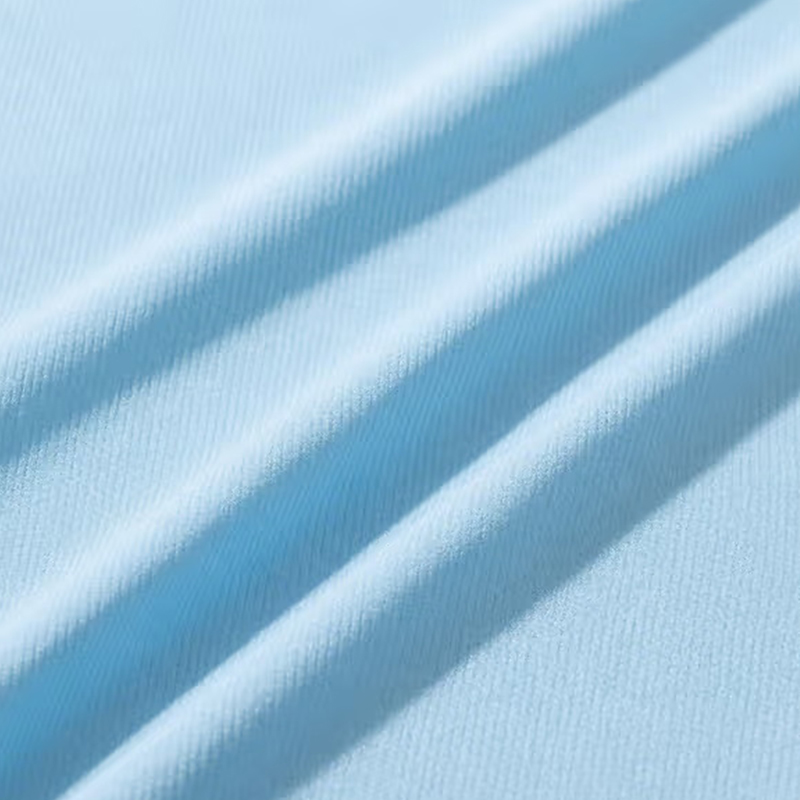 Ice Silk Plain Sunscreen Fabric for Outdoor WearBreathable ice silk with UV-blocking coating, suited to sun shirts and hats, offering lightweight coverage for outdoor activities and warm-weather protection.View Product →
Ice silk is a good example of the second group. It feels smooth and light against the skin, and its slight elasticity helps it recover quickly after being rolled or folded, which is useful for scarves that spend time in a bag or a jewellery box. If you already own pieces made from it, our notes on caring for ice silk fabric cover washing and drying in more detail.
If You Make or Source Scarves, Start With the Fabric
Milk silk is another family worth knowing. It is soft, drapes gently and takes dye evenly, so it suits printed scarves and anyone who wants a silk-like handle without the fragility of pure silk. A fine ammonia-free milk silk, for example, stays comfortable against the neck through repeated tying and untying, which is exactly what a scarf goes through in daily wear.
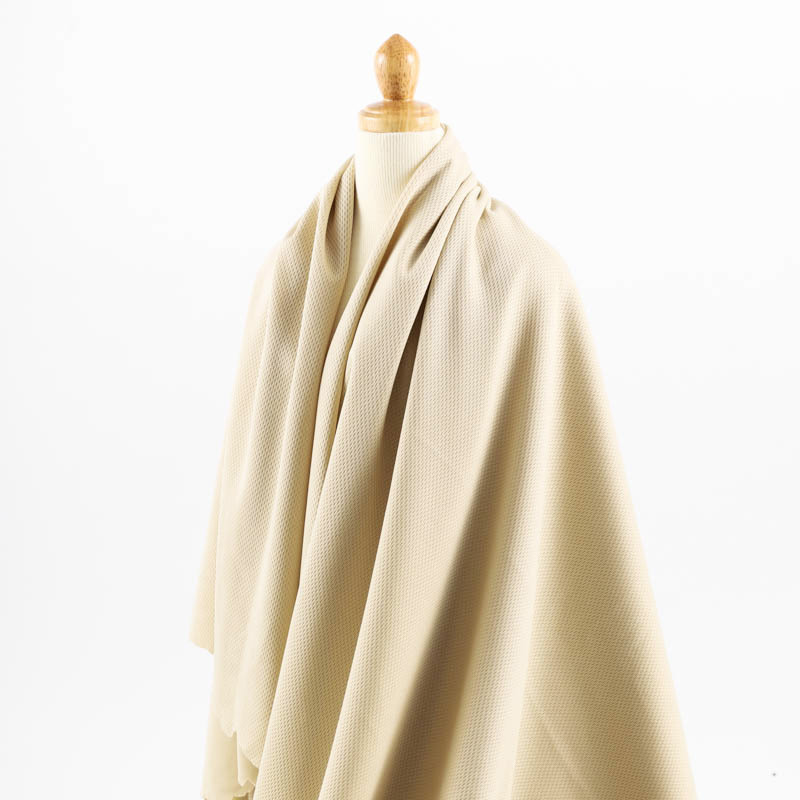
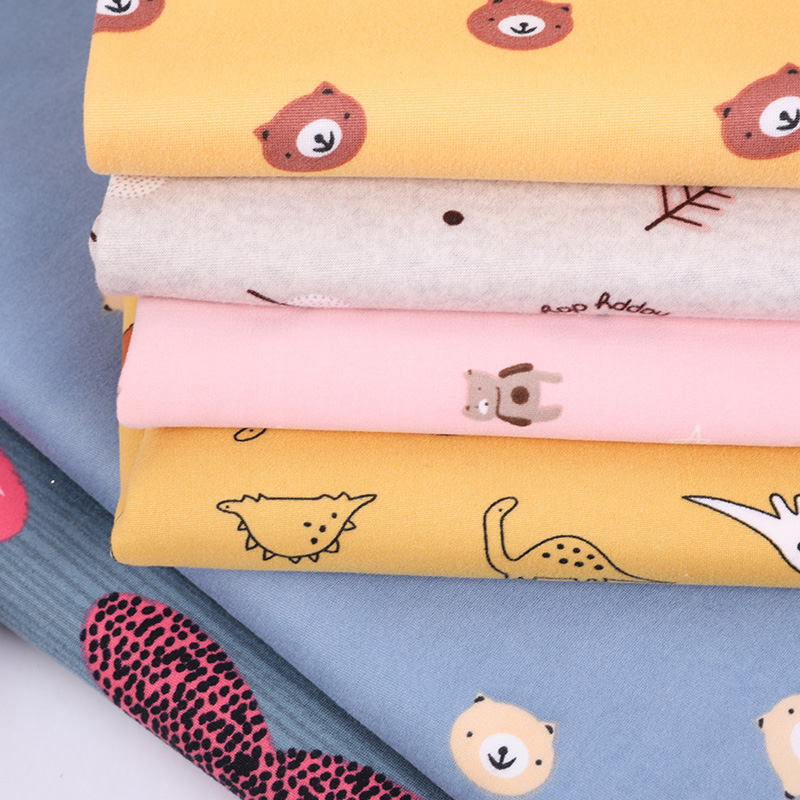 Soft Skin-Friendly Ammonia-Free Milk Silk FabricSoft, breathable ammonia-free milk silk with moisture-wicking comfort, suitable for shirts and T-shirts, and a gentle choice for apparel that sits close to skin.View Product →
Where you want a little lustre and a visible pattern, a matte high-elastic ice silk with a brocade-like finish gives a woven look with knit comfort, and its elasticity helps the fabric return to a flat state after storage.
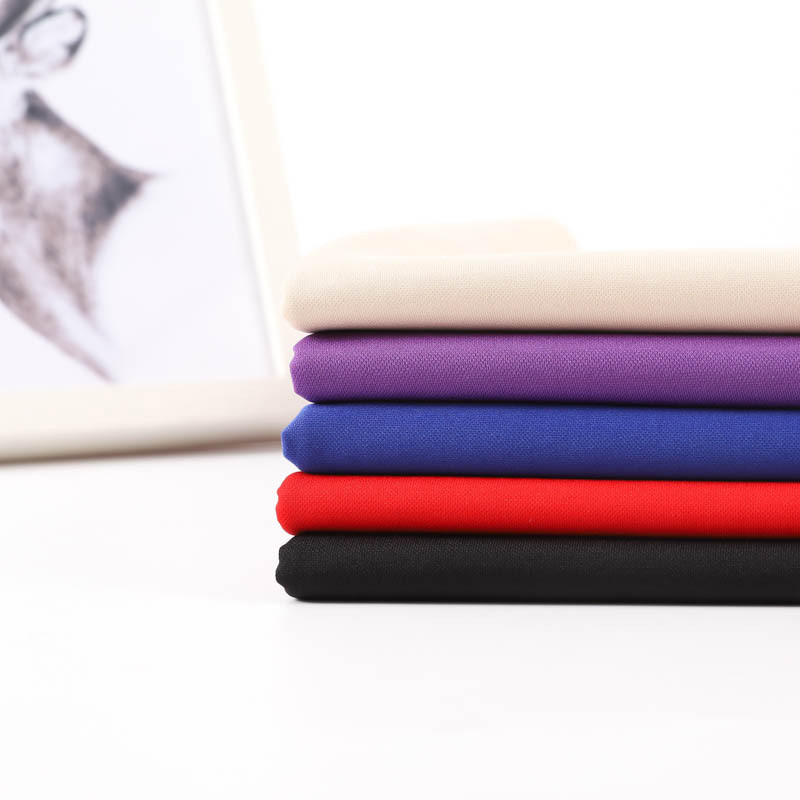
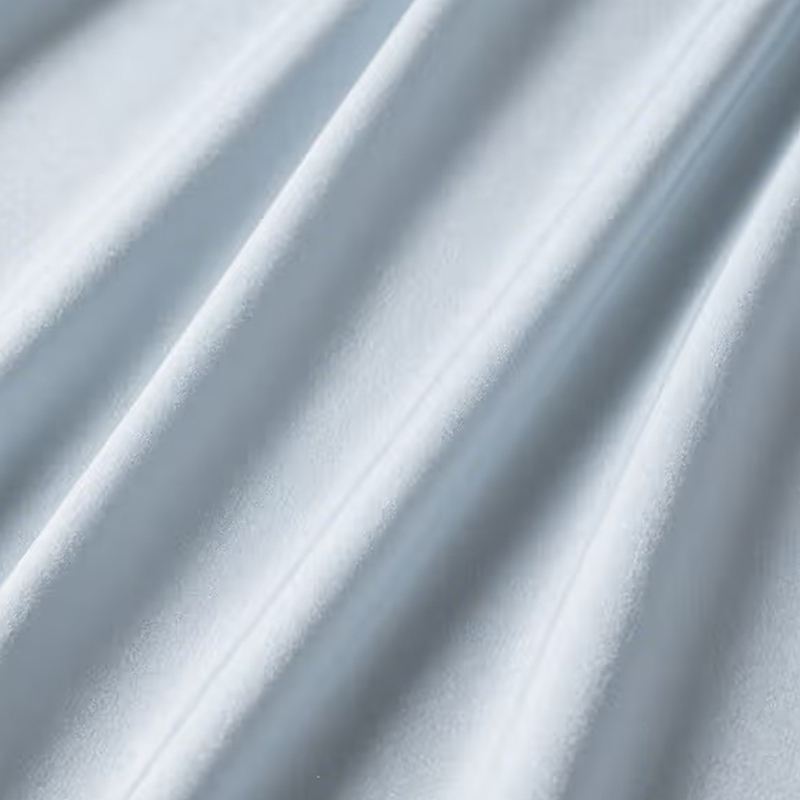 Full Matte High-Elastic Ice Silk Imitation Brocade FabricMatte, high-elastic ice silk with imitation brocade finish, offering skin-friendly breathability and sweat-wicking comfort for dressier shirts, dresses, and warm-weather tailoring.View Product →
Whichever fabric you choose, a narrow rolled hem and a gentle pre-wash before cutting will stop the edges from curling later. Our guide to sewing with silk and silk-like fabrics walks through the details.
Wrinkle-free scarf storage comes down to removing pressure and moisture rather than buying more containers. Fold or roll each scarf loosely, keep the stack shallow, air pieces after wearing, and shift the fold lines now and then. Do that, and the next time you pull a scarf from the drawer it will fall into place on its own.