English
  中文简体
中文简体 Stretchy fabric can feel like a completely different material when you are used to sewing woven cottons. It rolls at the edges, shifts under the presser foot, and sometimes refuses to lie flat. Yet stretchy knits are also some of the most comfortable fabrics in the world, which is why they appear in everything from t-shirts to activewear. The secret is not to fight the stretch but to work with it. Once you understand a few basic principles, sewing stretchy fabric becomes straightforward and even satisfying.
Why Stretchy Fabric Needs a Different Approach
Stretch fabrics stretch because they are knitted, not woven. A woven fabric is built from threads that cross over and under one another in a stable grid, whereas a knitted fabric is made from loops that interlock and move. That looped structure gives jersey, rib knit, interlock, and many performance fabrics their characteristic stretch and recovery. If you are new to this construction, our article on how knitted fabric is made explains the different knit structures and why they behave the way they do.
One of the most important ideas in sewing stretchy fabric is recovery. Recovery is the ability of a fabric to return to its original shape after being stretched. A fabric with good recovery is much easier to sew because it will not permanently distort when you handle it. Fabrics with poor recovery can become wavy and misshapen, especially around necklines and hems. That is why the fabric you choose matters just as much as your sewing technique.
Tools and Materials for Sewing Stretchy Fabric
Before you start, gather a few basic items. The right tools make a huge difference when you are working with elastic fabrics.
| Tool | Why It Helps |
|---|---|
| Ballpoint needle | Parts the fibres instead of cutting them |
| Stretch needle | Designed for elastic threads and reduces skipped stitches |
| Polyester thread | Gives seams a little give without breaking easily |
| Walking foot or dual-feed foot | Feeds layers evenly and prevents slipping |
| Serger or overlocker | Trims and finishes seams while allowing stretch |
| Twin needle | Creates professional-looking hems with stretch |
You do not need all of these items to begin. A regular sewing machine, a stretch needle, and a zigzag stitch are enough for many projects. As you become more confident, a walking foot or a serger will make the process even smoother.
How to Sew Stretchy Fabric: Step by Step
Follow these steps for a smooth start with stretchy fabric.
- Prewash and prepare the fabric. Wash and dry your fabric the same way you plan to care for the finished garment. This removes excess dye and allows any shrinkage to happen before you cut.
- Choose the right needle. Fit your machine with a ballpoint or stretch needle. A stretch needle is specially designed for elastic and knit fabrics, and it helps prevent skipped stitches.
- Set a stretch-friendly stitch. A narrow zigzag, a lightning bolt stitch, or a stretch stitch all allow the seam to flex with the fabric. Avoid a regular straight stitch in areas that must stretch, because it can break when the fabric is pulled.
- Test on a scrap of the same fabric. Sew a small sample, then pull it gently to see whether the seam stretches without breaking. Adjust the stitch length and tension until the result feels right.
- Pin or clip the layers together. Pins can create permanent holes in some knit fabrics, especially fine jerseys, so try quilting clips or flat pins placed within the seam allowance.
- Guide the fabric without pulling it. Let the machine feed the fabric at its own speed. Pulling or pushing the fabric causes wavy seams and stretched-out edges.
- Press, don't stretch. Use a low to medium heat setting and a pressing cloth. Press the seam open or to one side without dragging the iron across the fabric, because that can distort the knit.
Hemming and Finishing Stretchy Fabric
Hemming is where many people start to struggle with stretchy fabric. The easiest approach is to use a twin needle on a regular sewing machine. A twin needle creates two parallel lines of straight stitches on the front and a zigzag on the back, which allows the hem to stretch. Use a stretch or ballpoint twin needle and test the tension on a scrap before stitching the real hem.
Another option is to finish the raw edge with a serger or a narrow zigzag first, fold it under, and then topstitch with a stretch stitch. For necklines and other curved edges, stay-stitching or a strip of fusible knit tape can help prevent the edge from stretching out while you sew. The important rule is to handle the fabric gently and never pull it taut while the needle is moving.
Troubleshooting Common Stretchy Fabric Problems
If something goes wrong, check the simple things first: needle, stitch, tension, and how you are feeding the fabric.
| Problem | Likely Cause | Fix |
|---|---|---|
| Skipped stitches | Wrong needle or old needle | Use a new ballpoint or stretch needle |
| Seams that pop when stretched | Straight stitch does not stretch | Use a narrow zigzag or stretch stitch |
| Hem tunnelling | Tension too high or wrong twin needle | Lower tension and use a stretch twin needle |
| Wavy or rippled seams | Fabric pulled while sewing | Let the feed dogs pull the fabric and use a walking foot |
| Stretched-out neckline or edge | Too much handling or heavy seams | Stabilise the edge with fusible knit tape |
If your seams still look wavy, take a break and test again on a fresh scrap. Stretchy fabric requires a lighter touch, and small adjustments often solve the problem.
Choosing a Stretchy Fabric That Makes Sewing Easier
The fabric you pick can make the difference between a fun project and a frustrating one. As a knitted fabric manufacturer, we see how many sewing problems trace back to the material. A stable knit with good recovery is far easier to sew than a flimsy jersey that stretches under its own weight.
Stable Rib Knits for Beginners
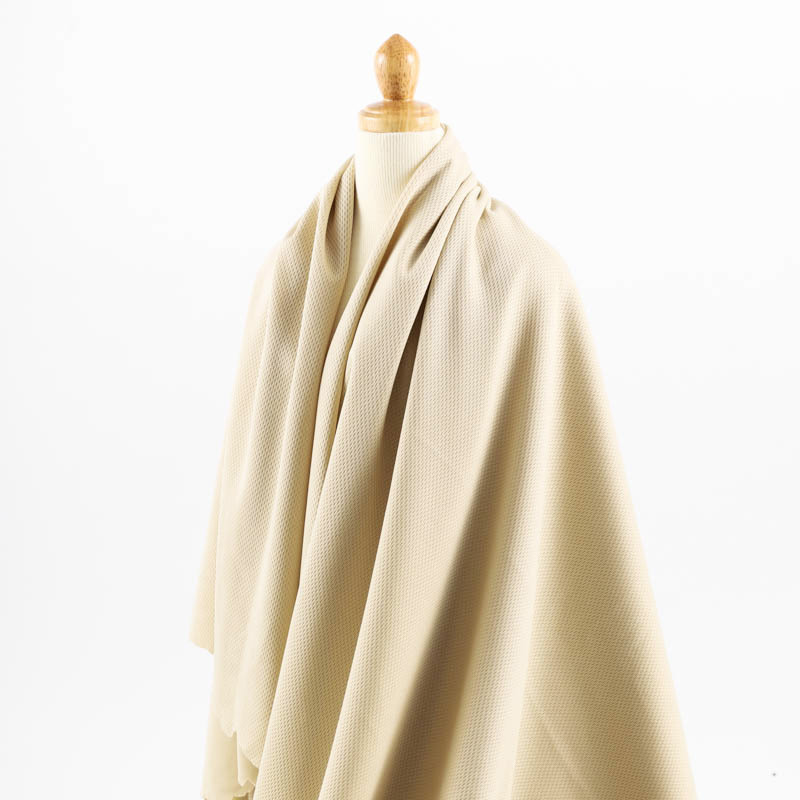
Rib knit is a great place to start. It has visible vertical ribs, a neat edge, and a moderate amount of stretch that makes it forgiving without being slippery. Rib knits are commonly used for cuffs, collars, and fitted tops. Our stretch cotton stripe fabric is an example of a smooth rib knit that behaves well on a home sewing machine.
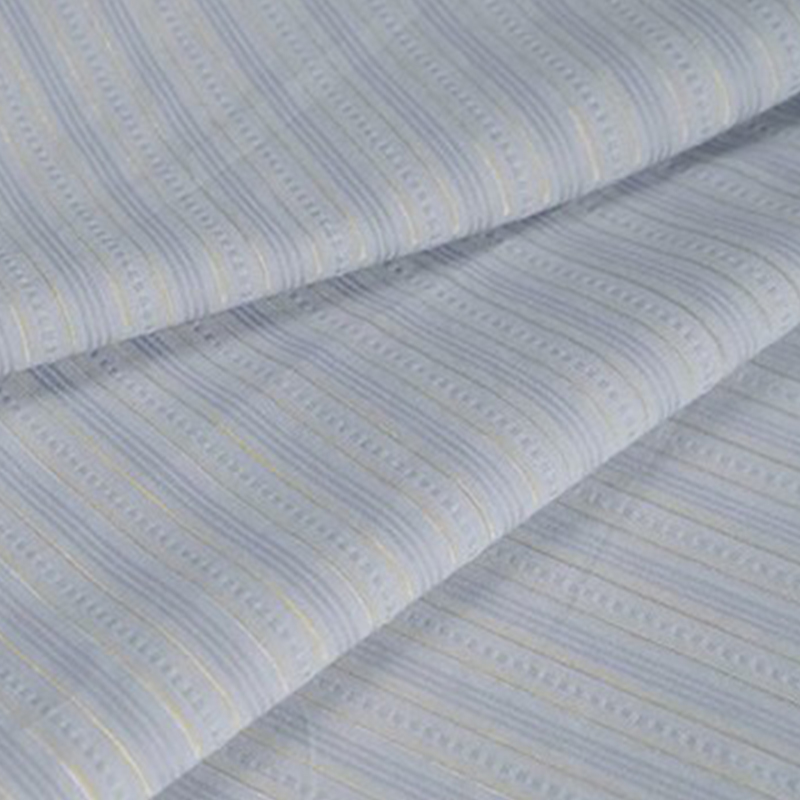 Stretch Cotton Stripe Rib Knit Fabric for Fitted GarmentsThis ribbed cotton blend offers visible vertical stripes and a smooth, elastic hand, making it a practical choice for cuffs, collars, and close-fitting tops in warm seasons.View Product →
High-Elasticity Blends for Activewear
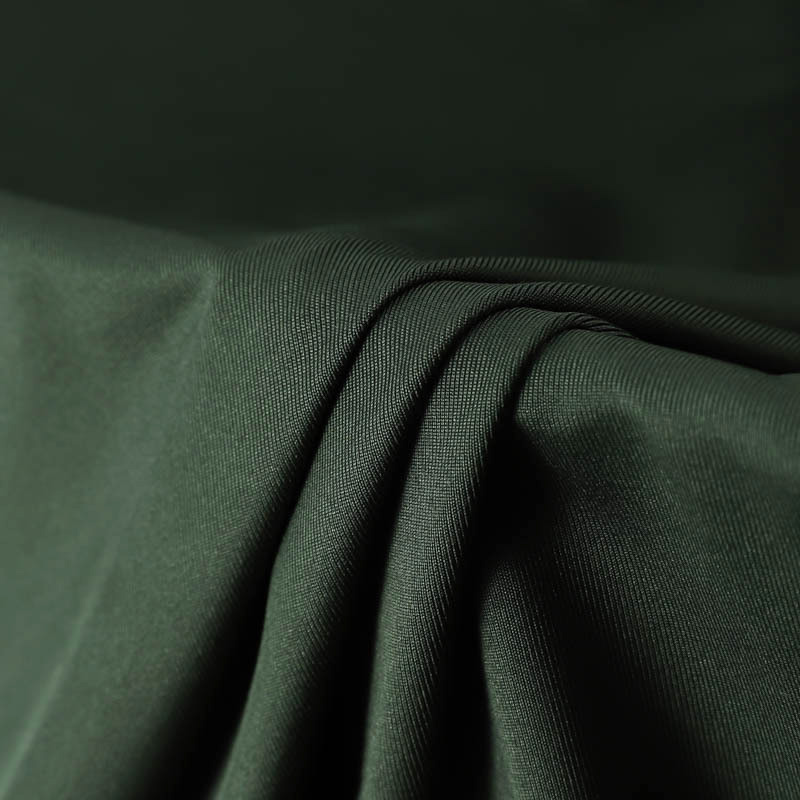
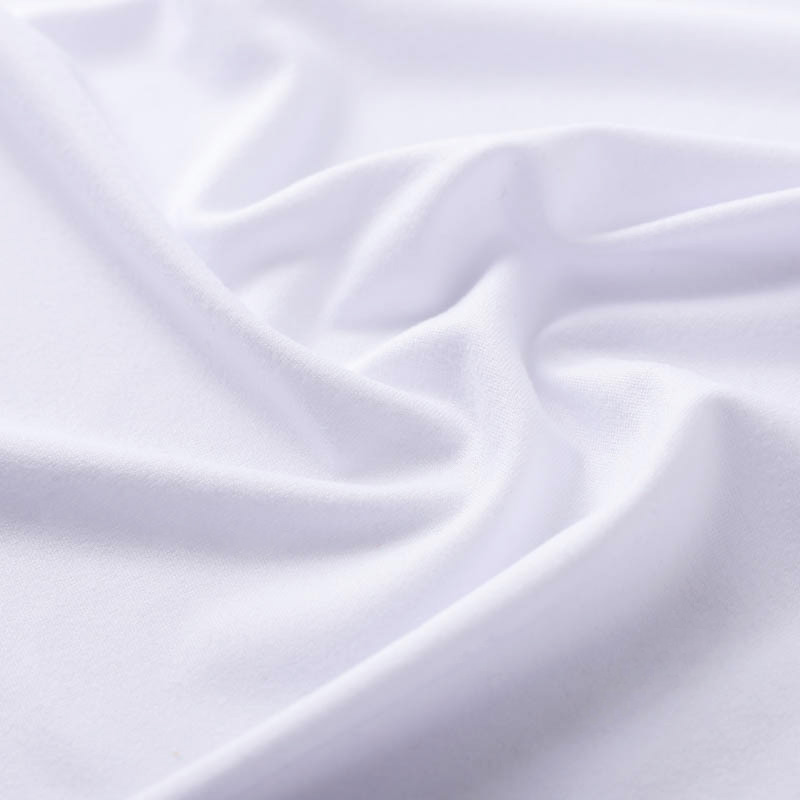
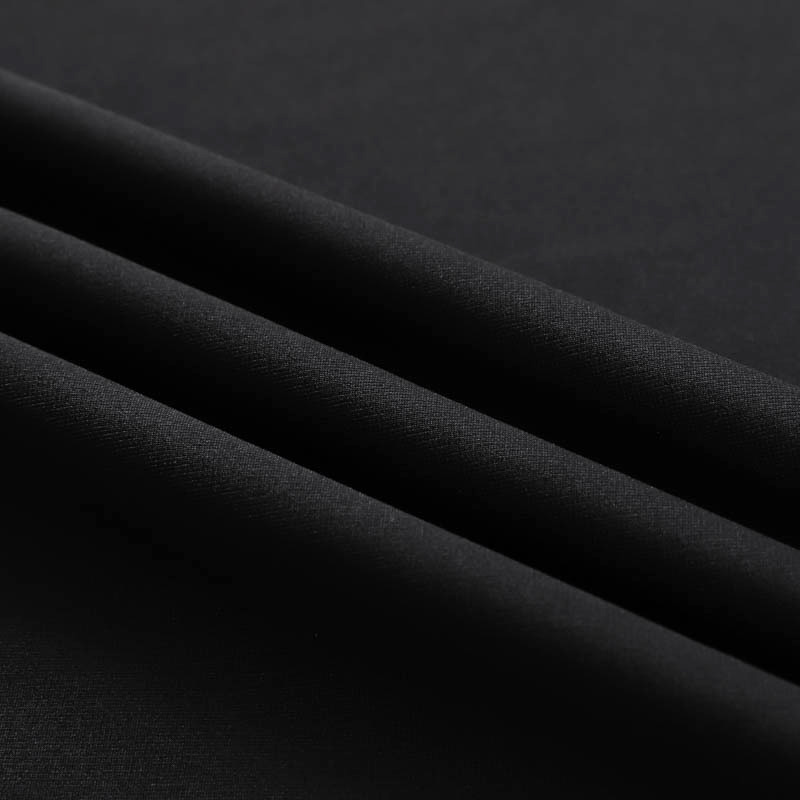
If you are sewing leggings, sports bras, or close-fitting tops, high-elasticity blends give you the stretch and recovery you need. They can feel a little more lively at the needle, but they reward careful technique with a polished result. A high-elastic ammonia milk silk fabric is one of our favorite choices for soft, flexible layers that snap back into shape.
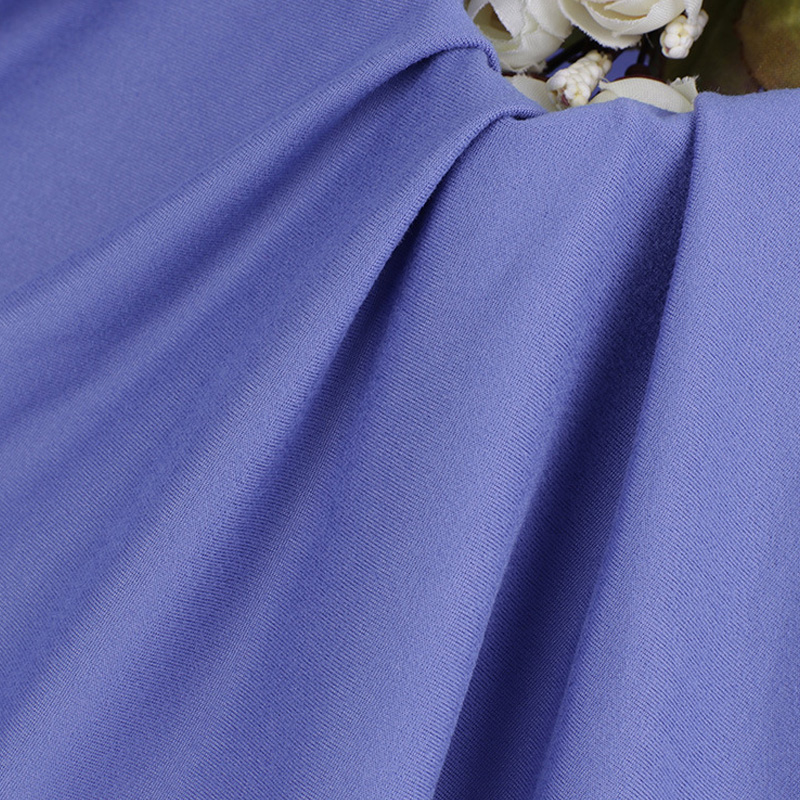 High-Elastic Spandex Milk Silk Knit for ActivewearA smooth, breathable polyester-spandex milk silk knit with excellent stretch and recovery, ideal for leggings, yoga wear, and tight-fitting tops that need to hold their shape.View Product →
Breathable Performance Mesh
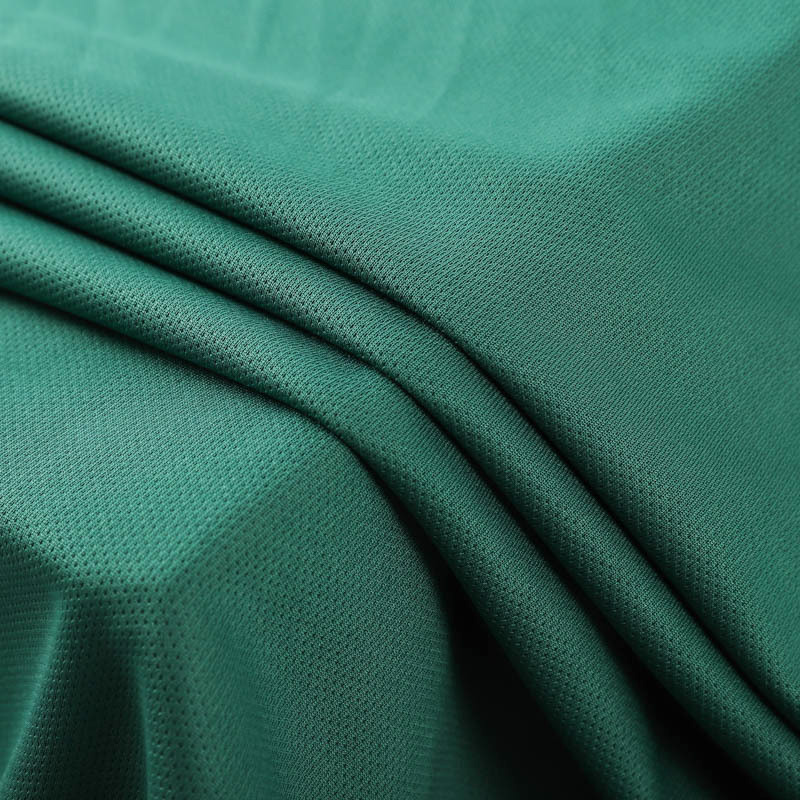
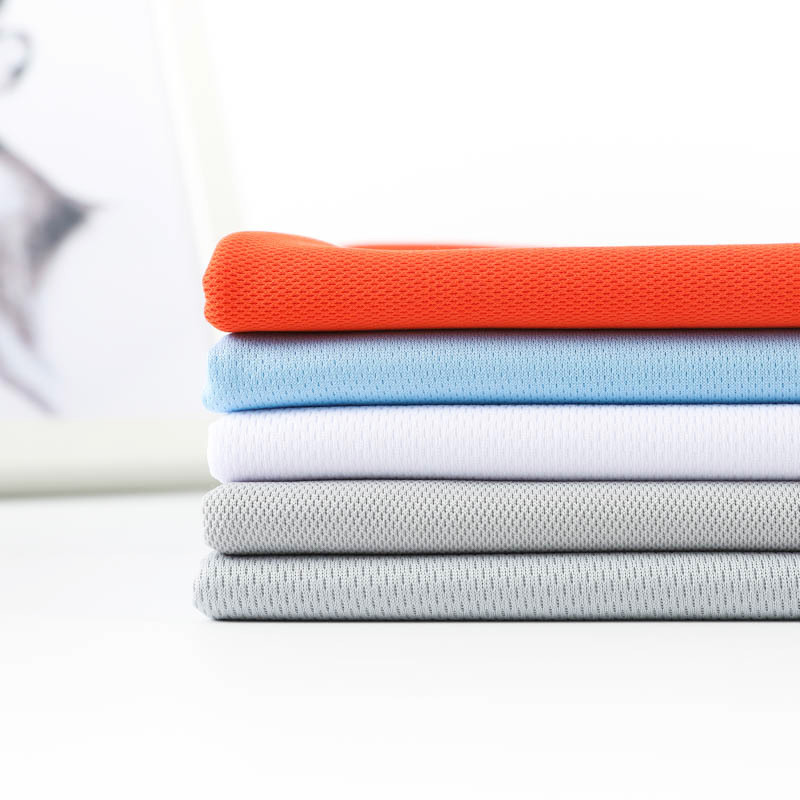
For sporty garments and lined activewear, a performance mesh with a little elastane is an interesting option. The open structure is breathable and quick-drying, though it can be trickier to hem because it moves under the presser foot. Our polyester elastic interwoven birdseye fabric shows how a honeycomb-like mesh can be both stretchy and breathable.
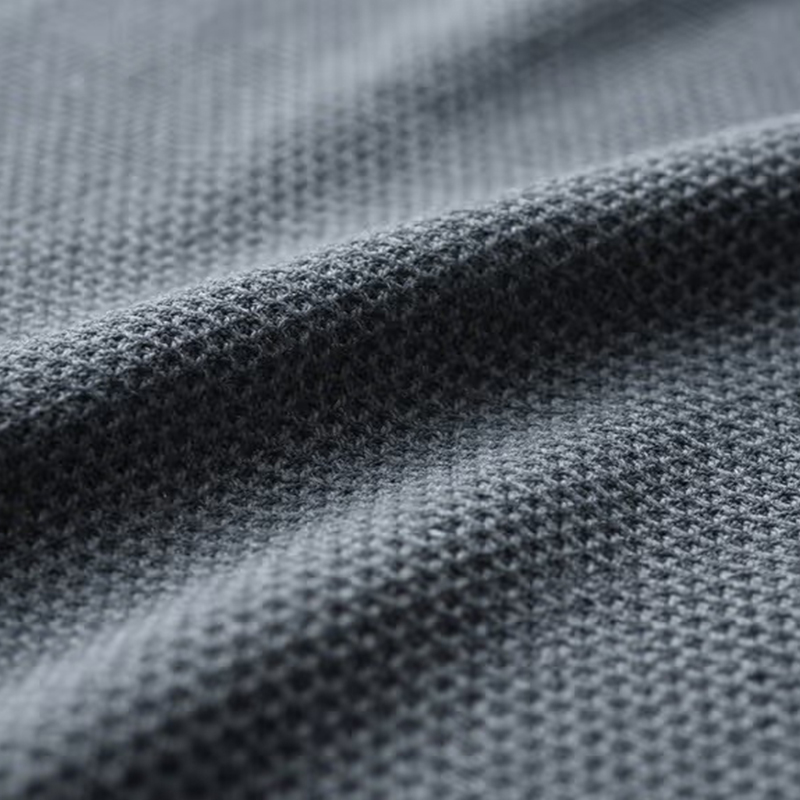 Polyester Elastic Interwoven Birdseye Mesh FabricA breathable, quick-drying honeycomb mesh with added elasticity and durability, suited for sportswear and summer garments that require both airflow and a stable, resilient hand.View Product →
When you choose a stretchy fabric, consider how much stretch your design needs and how well the fabric recovers. Hold a piece of the fabric in your hands and pull it gently across the grain and along the length. A fabric that snaps back easily is usually easier to sew than one that stays stretched.
Stretchy fabric does not have to be intimidating. With the right needle, the right stitch, and a light touch on the machine, you can sew comfortable, durable garments that keep their shape. If you are planning a production run or developing a new collection, work with a supplier who understands knit construction and can guide you toward the right base fabric. That is exactly what we do at our factory, and you are welcome to browse our fabric catalog to see the range of knitted materials we make.