English
  中文简体
中文简体 Silk has fascinated humanity for thousands of years. From the robes of ancient emperors to the runways of modern fashion weeks, this natural protein fiber has built a reputation for luxury, strength, and extraordinary versatility. When people ask how silk is used today, the answer goes far beyond elegant evening gowns and neckties. Silk and silk-inspired textiles now appear in bedding, upholstery, sportswear, and even medical and industrial applications. For fabric buyers and product developers, understanding the full range of silk uses, and the modern silk-like alternatives available, is essential to making confident sourcing decisions.
Silk in Fashion and Apparel
Fashion remains the most visible use of silk. Designers choose it for its natural drape, soft hand-feel, and subtle sheen, and it continues to define premium categories in both menswear and womenswear.
- Evening gowns and bridal wear, where fluid drape creates flattering silhouettes.
- Blouses and lightweight shirts, valued for breathability and year-round comfort.
- Men's ties, pocket squares, and formal accessories that demand a lustrous finish.
- Scarves and shawls, which showcase intricate prints and refined edges.
- Lingerie and sleepwear, where softness against the skin matters most.
Silk's natural protein structure absorbs moisture without feeling clammy, which is why it feels comfortable in both warm and cool conditions. It also accepts dye exceptionally well, producing deep, saturated colors that hold their brilliance with proper care.
For manufacturers, however, pure silk brings real challenges. It is expensive, requires delicate handling during cutting and sewing, and asks consumers for careful maintenance. This is why many apparel brands and factories are turning to silk-like knitted fabrics that replicate the softness and luster of silk at a practical price point.
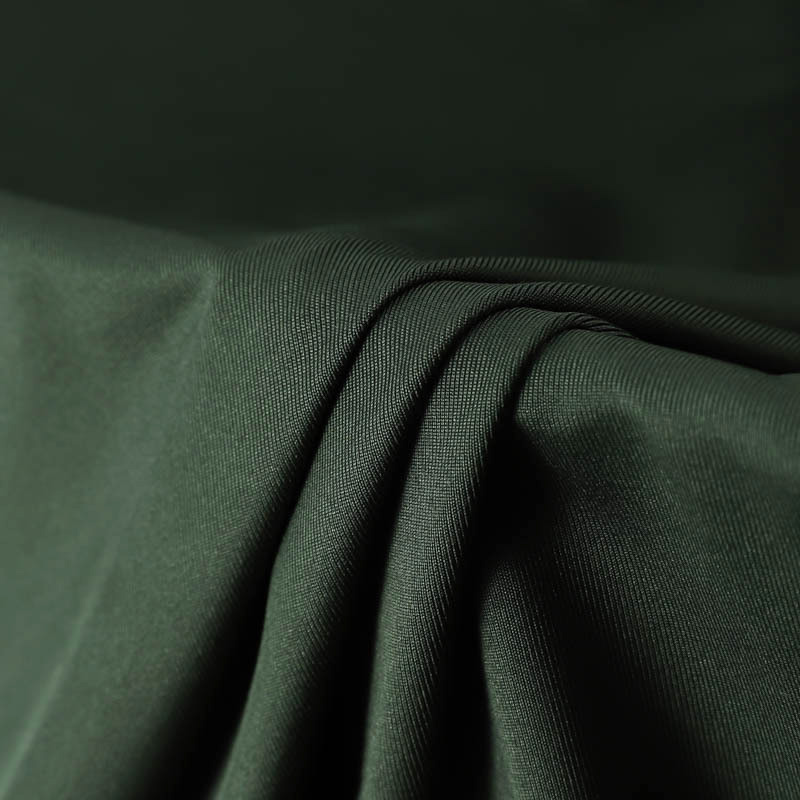
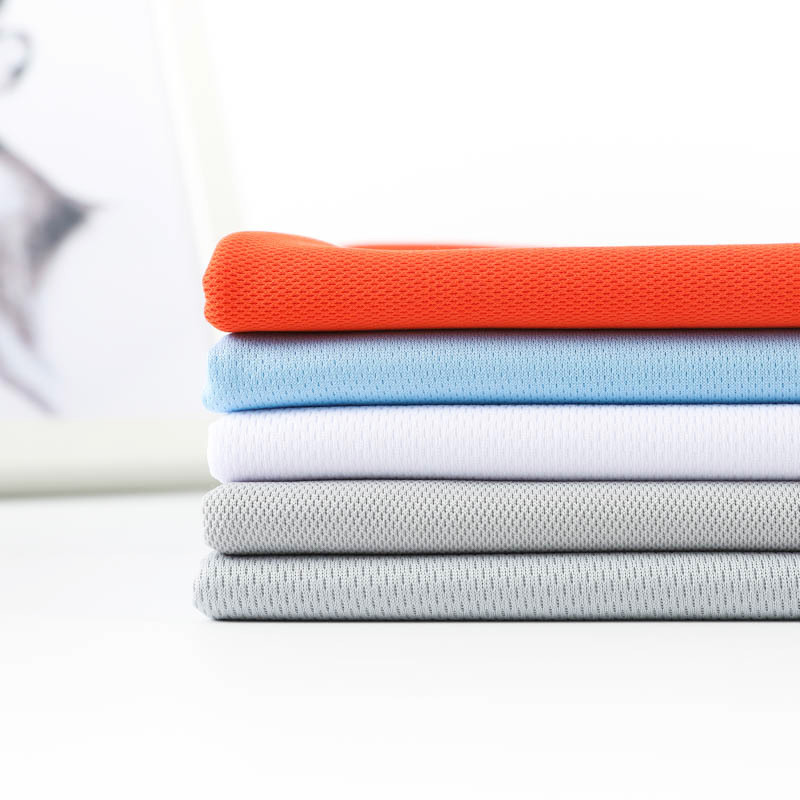
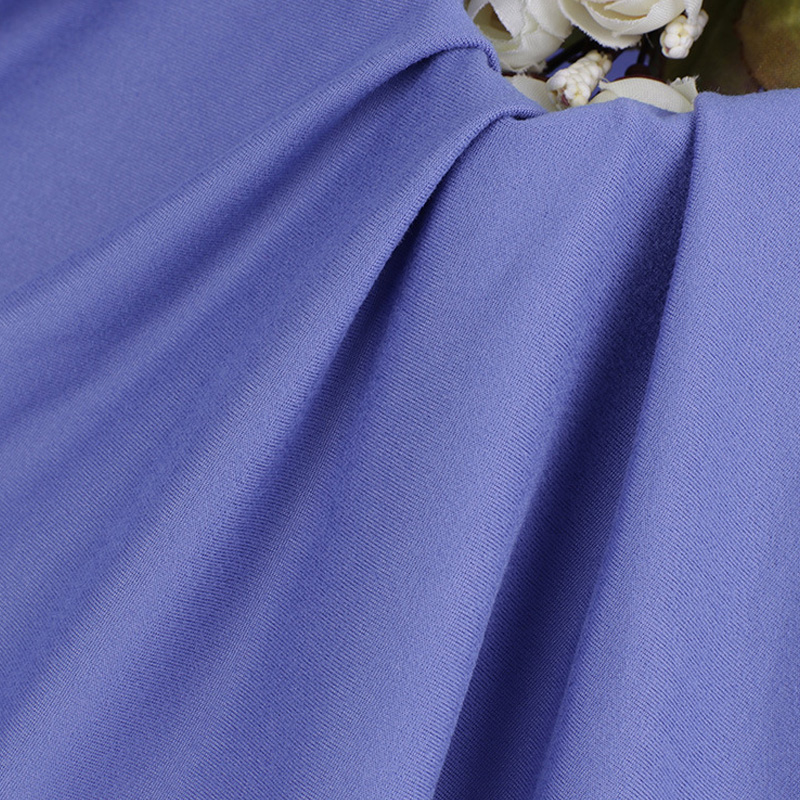 High-Elastic Ammonia Milk Silk Knit for Fitted ActivewearA 100D spandex-polyester blend with a silky touch and strong stretch, this fabric suits yoga pants, leggings, and fitted tops by offering resilience and a smooth, skin-friendly surface.View Product →
One popular option in our own production is high-elastic ammonia milk silk, which delivers a smooth, silky surface with the stretch and recovery that modern fitted tops and activewear demand.
Silk in Home Textiles and Bedding
Beyond clothing, silk has become a favorite in the home. Silk pillowcases and duvet covers are prized for their smooth surface, which reduces friction on hair and skin. Silk curtains filter light gently, while silk-upholstered furniture adds a refined accent. Silk rugs and wall coverings bring texture and depth to interiors, and silk comforters offer warmth without the weight of traditional winter bedding.
These applications all leverage silk's natural temperature regulation and moisture-wicking properties. In cooler months, silk traps warmth; in warmer months, it stays breathable and dry. The same qualities that make silk comfortable against the body also make it ideal for restful sleep.
For home textile brands, silk-like knitted fabrics are an increasingly attractive option. They deliver the same gentle, skin-friendly touch at a fraction of the cost, and they machine-wash far more easily than pure silk.
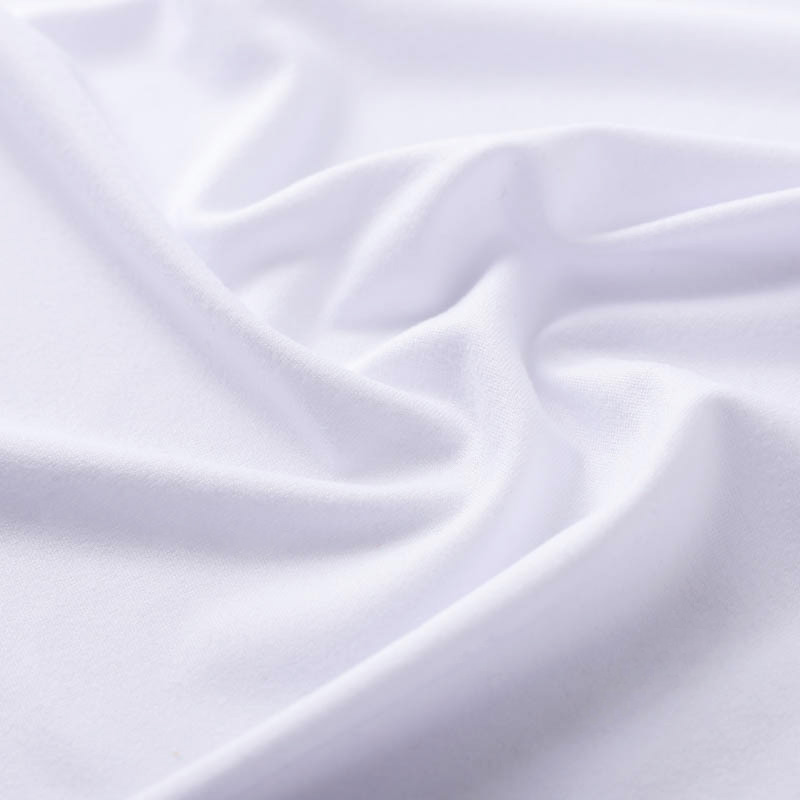
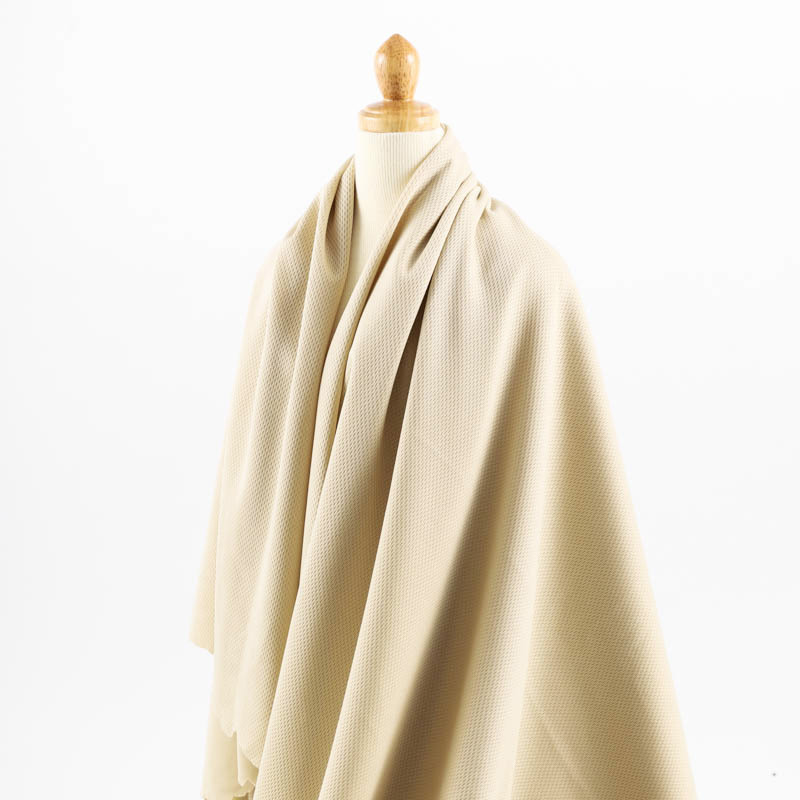
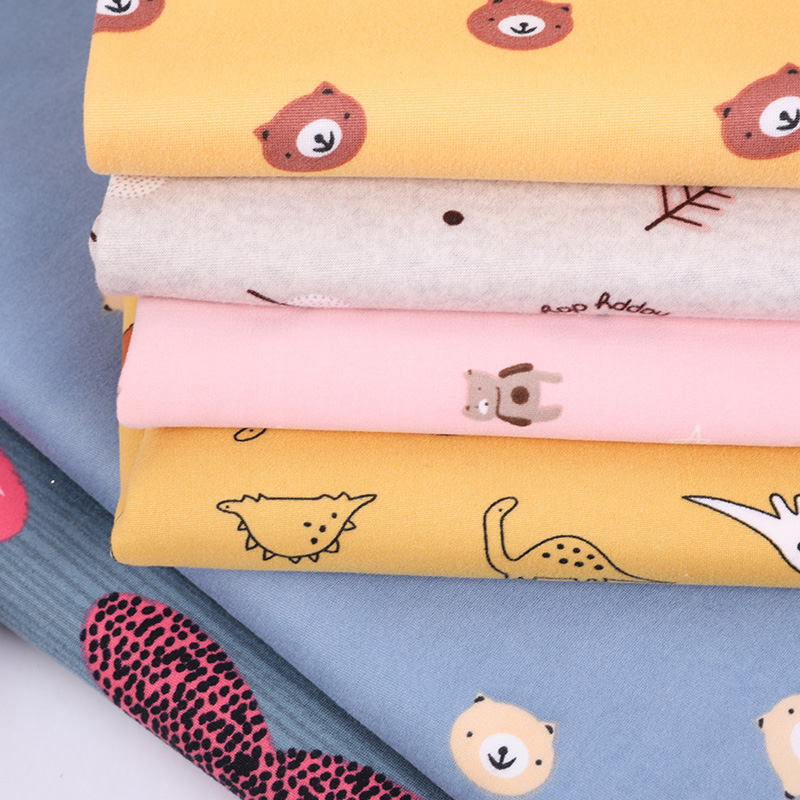 Soft 75D Ammonia-Free Milk Silk for Sensitive SkinThis gentle, breathable 75D knit is free of ammonia, making it a practical choice for baby apparel, loungewear, and bedding accessories that prioritize comfort and non-irritating softness.View Product →
Our ammonia-free milk silk, for example, is a 75D fabric designed to be soft and non-irritating, making it a strong choice for baby products, loungewear, and bedding accessories where sensitive skin is a priority.
Silk in Technical and Industrial Applications
Silk is not only a luxury fiber. Its combination of strength, elasticity, and biocompatibility has earned it a place in demanding technical fields. Medical sutures made from silk protein have been used for centuries, and silk-based wound dressings and scaffolds for tissue engineering remain active areas of research. In the past, silk was even used in parachutes and bicycle tires. Today, its high strength-to-weight ratio continues to inspire advanced composites and biomedical materials.
These industrial uses are fascinating, but for most textile manufacturers they are not the daily reality. The volume of silk consumed in fashion, home textiles, and increasingly in performance apparel far outweighs its niche technical uses. This is where knitted textile technology becomes relevant: modern synthetic yarns can be engineered to mimic silk's desirable qualities while adding durability, elasticity, and easier care.
The Rise of Silk-Like Knitted Fabrics
One of the most significant shifts in the textile industry is the emergence of silk-like knitted fabrics. These are not imitations in the cheap sense; they are engineered materials that solve real problems. By using fine polyester or nylon yarns with specialized knitting structures, mills can create fabrics with a silky hand-feel, subtle sheen, and excellent drape, while delivering the stretch, recovery, and durability that modern garment production requires.
At our factory in Shaoxing, we produce a range of these silk-like fabrics under names such as milk silk and ice silk. Milk silk fabric, despite its name, is a polyester-based knit with a smooth, soft surface that feels similar to silk against the skin. Ice silk fabric is designed to feel cool and light, making it ideal for summer clothing and sun-protection garments. These materials have become staples in yoga wear, streetwear, school uniforms, and casual fashion because they balance aesthetics with performance.
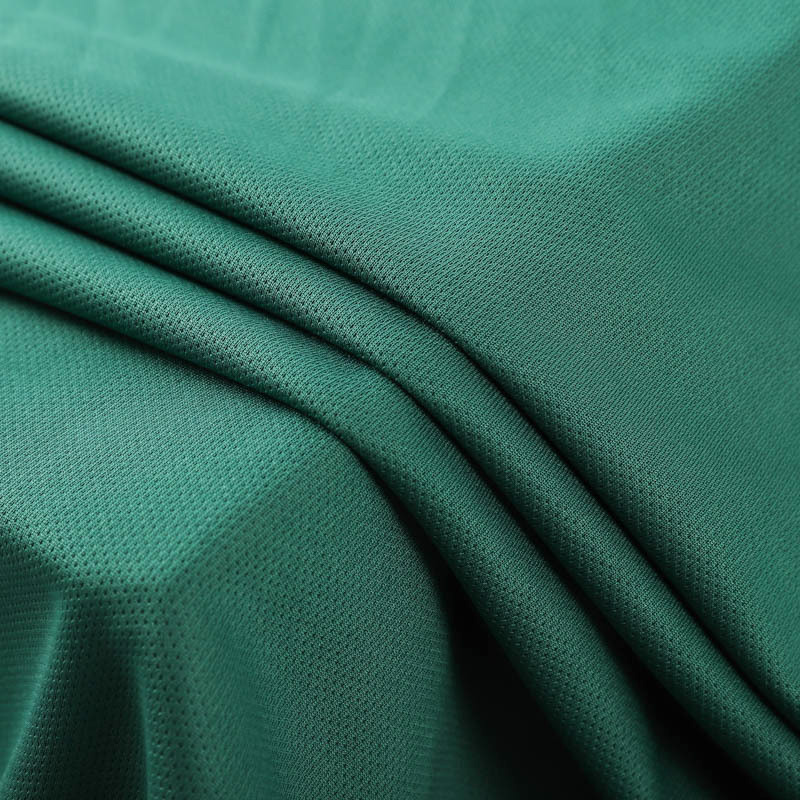
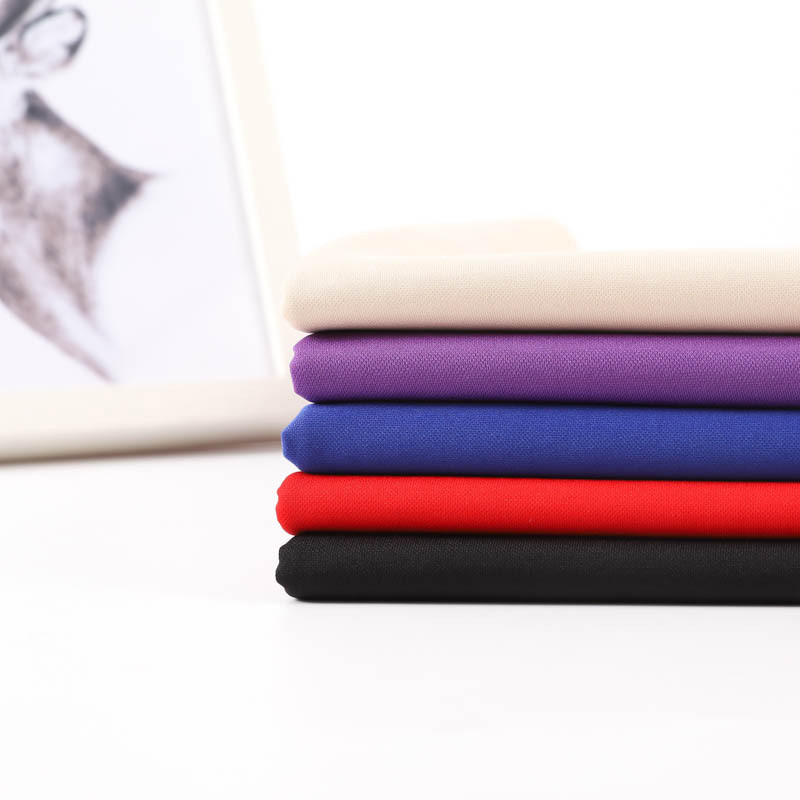
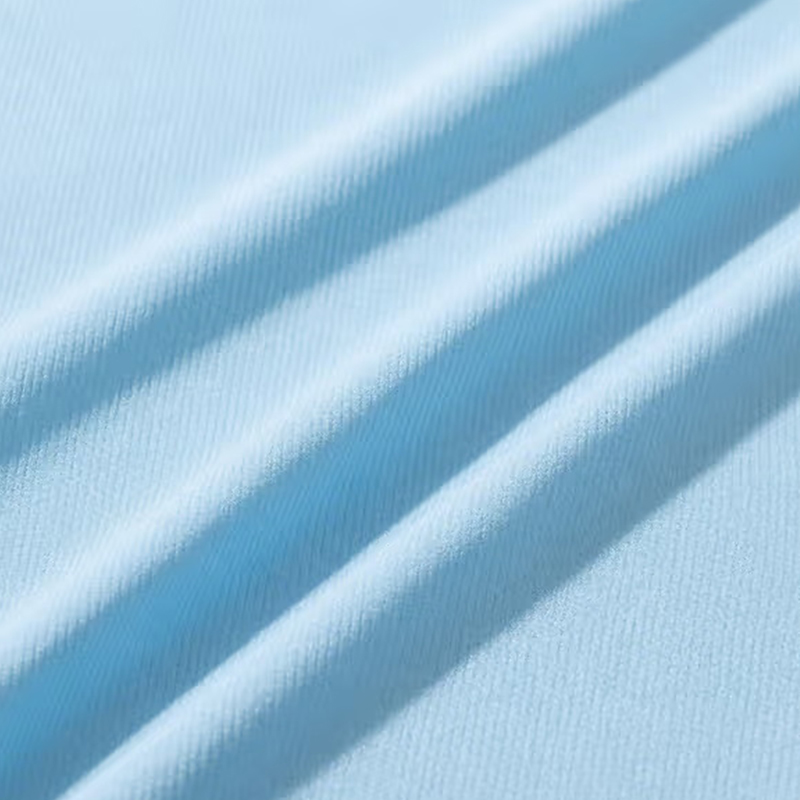 Ice Silk Plain Weave Sunscreen Fabric for Outdoor WearA lightweight, breathable plain-weave fabric with a sunscreen coating to block UV rays, ideal for sun-protection shirts and hats during hiking, beach trips, and travel.View Product →
For a deeper look at the properties, uses, and care of milk silk fabric, you can read our guide to what is milk silk fabric and its uses. It explains why this material has become a favorite among apparel brands looking for silk-like comfort with synthetic practicality.
Choosing the Right Silk-Like Fabric for Your Products
Selecting the right silk-like fabric depends on your end use. A fitted athletic top needs stretch and moisture management, while a summer blouse needs lightness and breathability. Bedding accessories need softness that is gentle on skin, and school uniforms need durability and easy care.
| Application | Real Silk | Silk-Like Knit | Key Benefit of Knit |
|---|---|---|---|
| Evening wear | Drape and sheen | Milk silk | Lower cost, easier care |
| Sportswear | Breathability | Ammonia milk silk | Stretch and recovery |
| Summer outerwear | Cool hand-feel | Ice silk | Cool touch, sun protection |
| Home textiles | Luxury softness | Ammonia-free milk silk | Skin-friendly, machine washable |
Our team works directly with clothing manufacturers, brands, and trading companies to develop the right fabric for each project. Because we operate our own knitting factory with more than 180 circular knitting machines, we can control quality from yarn to finished roll and offer over 100 stocked samples for fast evaluation.
Silk remains one of the most beloved fibers in the world, and its uses today span fashion, home, and high-tech industries. Yet the future of silk-inspired comfort belongs just as much to well-engineered knits that deliver a similar feel with better performance and value. Whether you are developing a new apparel line, upgrading your bedding range, or sourcing fabric for activewear, our factory is ready to help you find the right material. Feel free to explore our fabric collections or contact our team with your drawings and samples, and we will take it from there.