English
  中文简体
中文简体 As the demand for functional, lightweight, and efficient clothing continues to rise, innovation in textile technology plays a key role in meeting the needs of modern consumers. One such innovation gaining significant attention is air layer fabric. Known for its unique structure and exceptional insulating properties, air layer fabric is emerging as a promising solution for enhancing thermal performance in clothing and textiles.
Understanding Air Layer Fabric
Air layer fabric is a unique type of textile designed to trap air between layers of material. This structure creates an insulating barrier that significantly reduces heat loss, making it an ideal material for use in clothing and textiles meant for thermal insulation. The basic principle behind air layer fabric is that the trapped air acts as a natural insulator, much like the down feathers found in winter jackets, but without the weight or bulk.
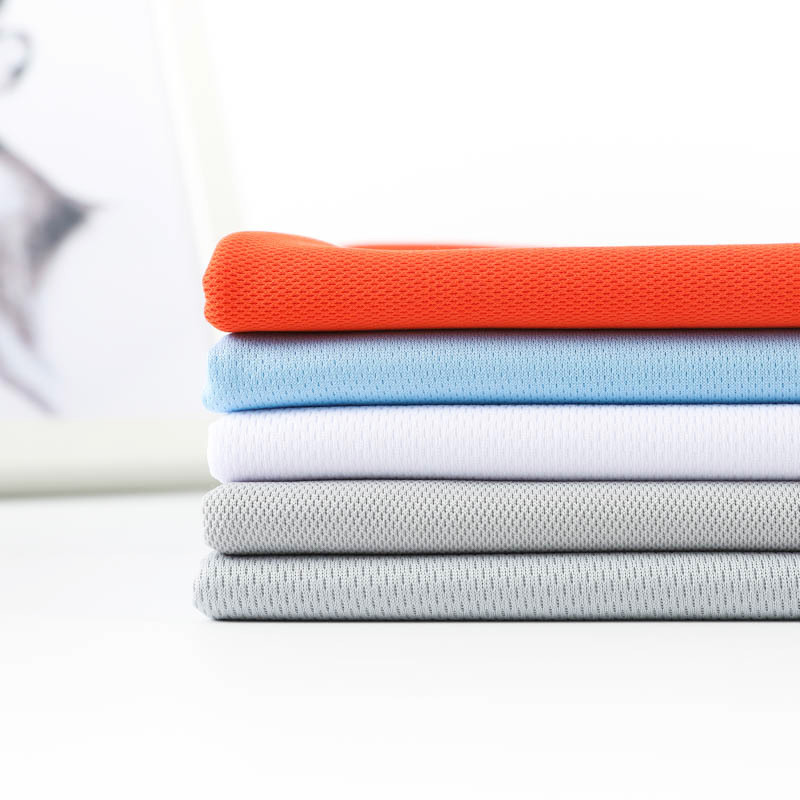
The construction of air layer fabric typically involves layering materials such as polyester, nylon, or even natural fibers. These materials are designed with specific textures and patterns to increase the amount of air trapped between layers. This trapped air not only provides insulation but also allows for breathability, making the fabric comfortable for long-term wear in varying temperatures.
Why Air Layer Fabric is Ideal for Insulation
Insulation is a crucial element in clothing, especially for outerwear, activewear, and thermal garments. Traditional insulation materials, such as down feathers, fleece, or foam, have their advantages, but air layer fabric offers a number of compelling benefits that make it an attractive alternative or complement to these materials. Below are the key reasons why air layer fabric is poised to become a leading material in the insulation of clothing and textiles.
Lightweight and Thin, Yet Highly Insulating
One of the most notable advantages of air layer fabric is its lightweight nature. Traditional insulation materials like down feathers or thick fleece can add significant weight to garments, which may limit their functionality or comfort, especially for activewear or outdoor gear. Air layer fabric, on the other hand, is incredibly light, offering excellent thermal insulation without adding unnecessary bulk or weight.
This property is particularly important for outdoor enthusiasts, athletes, and anyone who requires clothing that is both insulating and breathable. With air layer fabric, manufacturers can create garments that provide warmth while allowing for freedom of movement, making them suitable for activities like hiking, running, and skiing.
Superior Breathability
While insulation is important, breathability is equally essential, especially for activewear and outerwear. When clothing is too insulated without proper ventilation, it can lead to overheating, perspiration buildup, and discomfort. Air layer fabric solves this issue by allowing air to circulate between its layers. This creates a breathable barrier that regulates body temperature, preventing overheating while still providing warmth.
The breathable nature of air layer fabric makes it an ideal material for a variety of clothing types, including performance wear, sports apparel, and even casual outerwear. The ability to maintain a comfortable body temperature in fluctuating weather conditions is a major advantage, particularly for those who spend extended periods outdoors.
Durability and Longevity
Air layer fabric is designed to be both durable and resilient. Unlike traditional insulating materials that can degrade over time—such as down feathers, which may lose their insulating properties after multiple washes or prolonged exposure to moisture—air layer fabric maintains its structural integrity and insulating capabilities even with regular use. The layers are engineered to retain their shape and air-trapping properties, ensuring that the fabric continues to provide effective insulation for a long period.
Moreover, air layer fabrics are generally resistant to water and moisture, which makes them particularly useful for outerwear in wet or snowy conditions. This durability makes them suitable for various high-performance applications, including in military, outdoor, and extreme-weather clothing.
Sustainable and Eco-Friendly
As the textile industry faces increasing pressure to adopt more sustainable practices, air layer fabric stands out as an eco-friendly option. Many air layer fabrics are made from recycled polyester, nylon, or other sustainable fibers, making them a greener choice compared to traditional insulation materials like down, which often rely on animal products. Additionally, air layer fabric’s efficient use of air for insulation reduces the need for excess material, contributing to reduced textile waste and a smaller carbon footprint.
Given the increasing consumer demand for eco-conscious products, manufacturers incorporating air layer fabrics into their collections can appeal to environmentally aware consumers who are looking for sustainable alternatives without sacrificing performance.
Versatility Across Different Applications
Air layer fabric is highly versatile and can be used in a wide range of applications, from high-performance outdoor gear to casual wear. Its unique insulation properties make it an excellent choice for garments that require warmth without bulk. For example, it is used in jackets, coats, vests, and even blankets, where warmth and comfort are key priorities.
Additionally, air layer fabric is being explored in a variety of non-clothing applications, such as bedding, upholstery, and even automotive textiles. In bedding, for instance, air layer fabric can provide an extra layer of insulation without trapping too much heat, resulting in a more comfortable sleep environment.
Air Layer Fabric in the Context of Modern Textile Trends
As the textile industry continues to evolve, several trends are shaping the future of clothing and material innovations. Air layer fabric aligns with several of these trends, including:
Smart Textiles and Wearable Technology
The increasing interest in smart textiles and wearable technology is another area where air layer fabric is expected to play a role. While air layer fabric itself is not "smart" in the traditional sense, it offers the potential to be integrated with sensors and heating elements to further enhance its performance. For example, air layer fabric could be used in clothing that adjusts its insulation based on body temperature, creating a dynamic thermal system that responds to environmental changes.
Minimalism and Functional Fashion
Modern fashion is shifting towards minimalism, where consumers seek high-performance, versatile garments that serve multiple functions. Air layer fabric fits perfectly into this trend, as it allows designers to create garments that are lightweight, functional, and stylish. Its ability to provide superior insulation without excess bulk makes it an excellent choice for minimalist clothing lines.
Health and Wellness
With growing interest in health and wellness, particularly in the activewear and sports industries, air layer fabric offers an effective way to enhance comfort and performance. Whether for athletes or those simply enjoying outdoor activities, air layer fabric ensures that clothing keeps the body warm without causing overheating or moisture buildup. This focus on functionality aligns with the broader wellness trends in modern fashion.
The Future of Air Layer Fabric
The potential of air layer fabric in insulation is far-reaching. As research into advanced textiles continues, air layer fabric is expected to become more widely available and integrated into various product categories. As manufacturers continue to improve its performance and reduce production costs, air layer fabric will likely become a standard choice for both high-end and mass-market clothing brands.
In the future, air layer fabric may even evolve to offer enhanced properties such as greater moisture-wicking capabilities, increased durability, or even self-regulating temperature control. As technology and consumer demands continue to drive innovation in the textile industry, air layer fabric is likely to remain at the forefront of insulation solutions, offering a combination of warmth, breathability, and comfort in a lightweight and sustainable package.