English
  中文简体
中文简体 As the demand for sustainable and eco-friendly products continues to grow, Roman knitted fabric has emerged as an innovative solution in the world of home furnishings. This versatile, durable, and environmentally friendly textile is making its way into a variety of home décor items, including upholstery, curtains, cushions, and even wall coverings. By combining traditional craftsmanship with modern sustainable practices, Roman knitted fabric is redefining the way we think about home décor and textiles.
What is Roman Knitted Fabric?
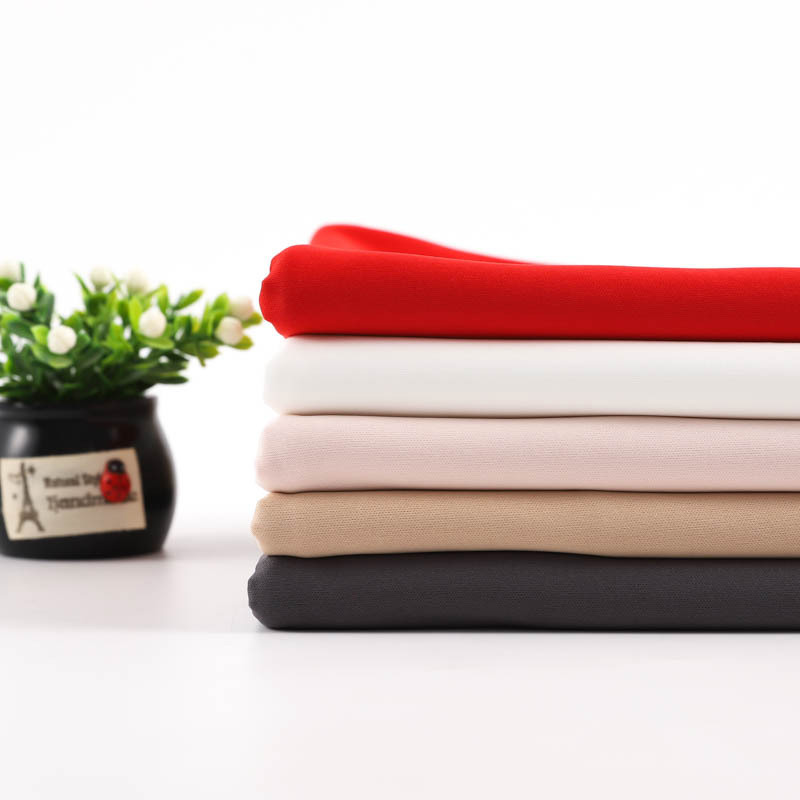
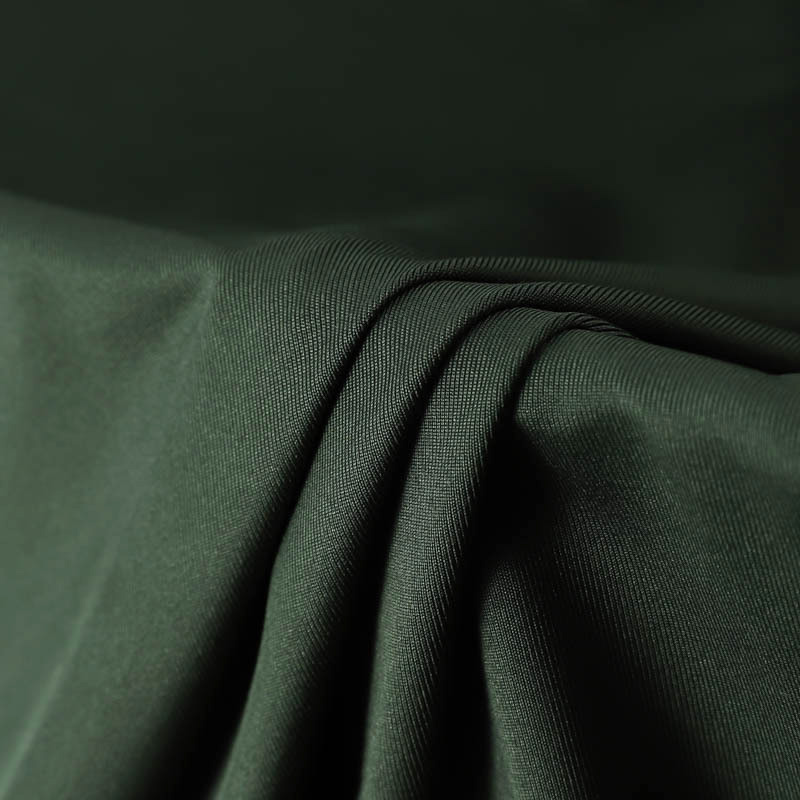
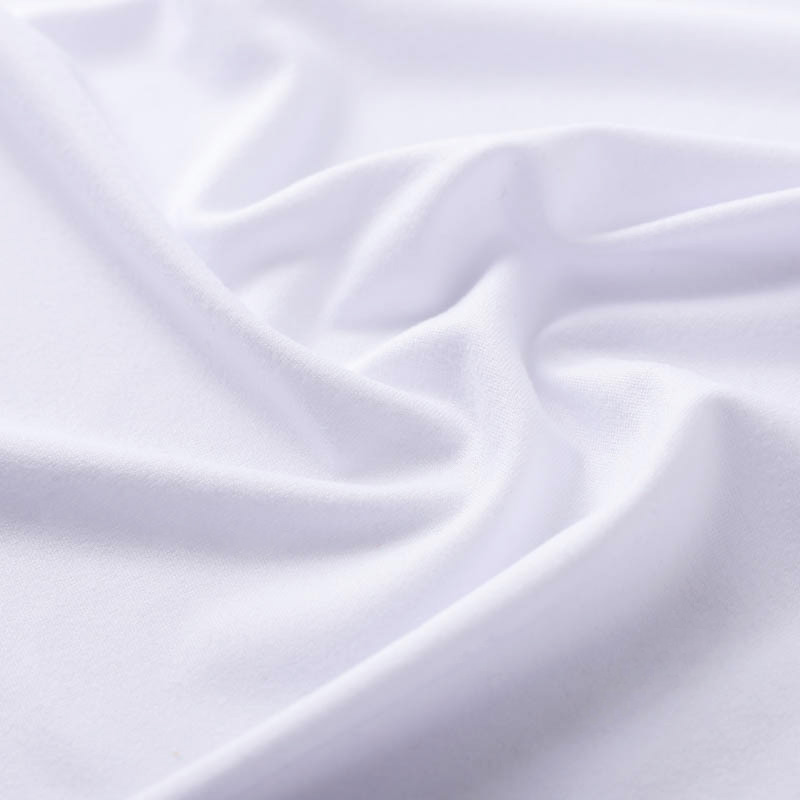
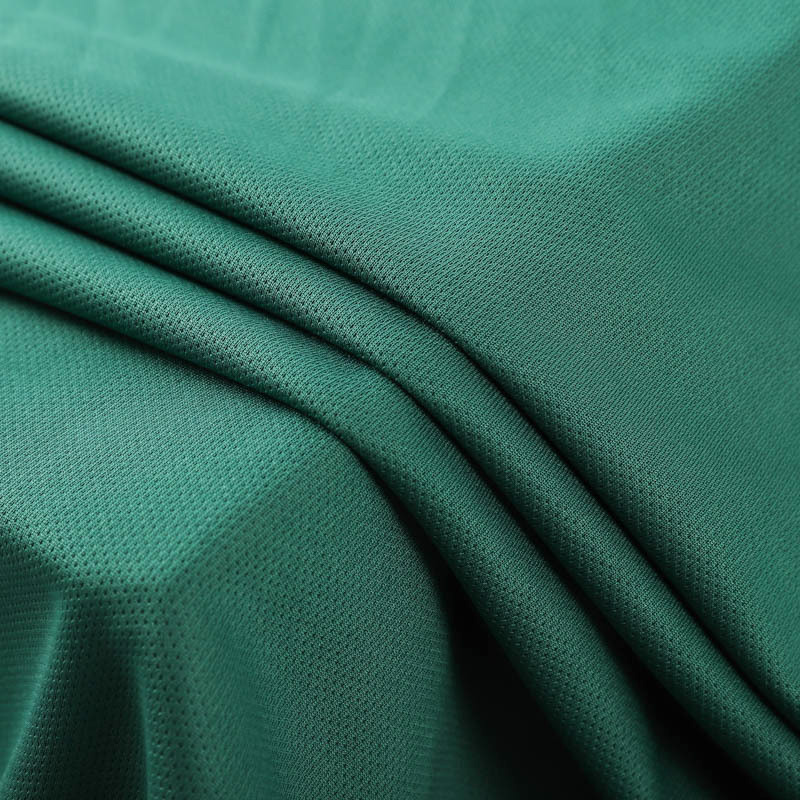
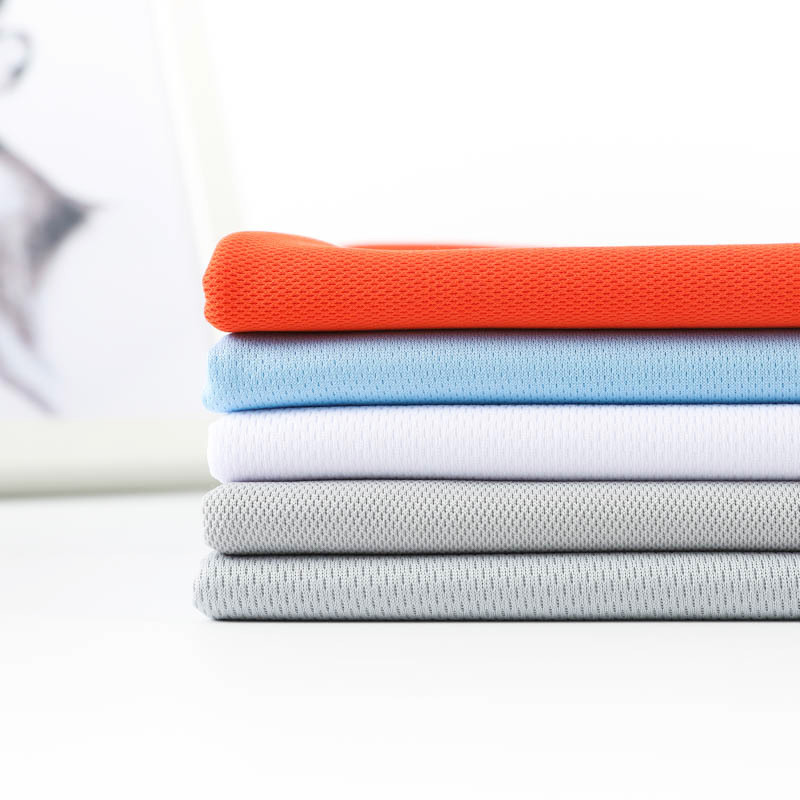
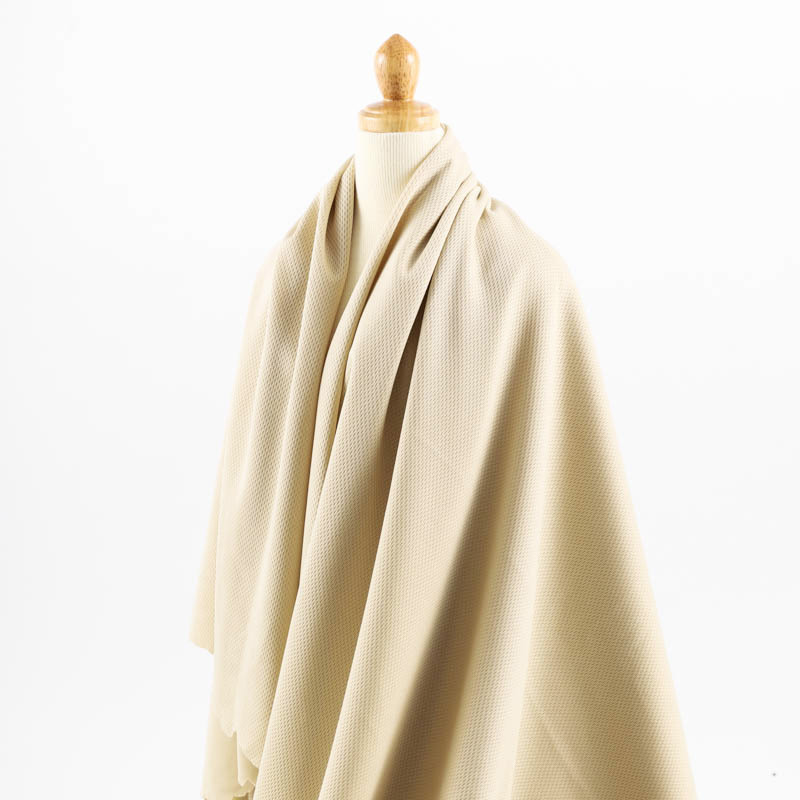
Roman knitted fabric is a type of textile created using a special knitting technique, where yarns are interwoven to create a flexible, stretchy, and durable material. This fabric is known for its versatility, as it can be made from a variety of fibers, including wool, cotton, hemp, and synthetic fibers. The distinct knitting pattern gives Roman fabric a unique texture and aesthetic that can be adapted for both functional and decorative purposes.
In addition to its functional qualities, Roman knitted fabric is increasingly recognized for its sustainable properties. The fibers used in its production can be natural, organic, or recycled, making it a more environmentally friendly alternative to traditional fabrics.
The Growing Demand for Sustainable Home Furnishings
As awareness of environmental issues increases, consumers are increasingly prioritizing sustainable choices in every aspect of their lives, including home décor. In particular, sustainable home furnishings are gaining popularity as people seek products that are both aesthetically pleasing and eco-conscious. Traditional home textiles, such as polyester-based fabrics and synthetic upholstery, often have a negative environmental impact due to their non-biodegradable nature and the resource-intensive processes involved in their production.
The demand for eco-friendly materials is now shaping the way home furnishings are designed and manufactured. Consumers are looking for fabrics that are not only stylish and durable but also contribute to a greener planet. This is where Roman knitted fabric comes in, offering a sustainable alternative to conventional textiles without compromising on quality or design.
Roman Knitted Fabric and Its Environmental Benefits
One of the key reasons why Roman knitted fabric is becoming increasingly popular in home furnishings is its sustainability. There are several factors that contribute to its environmental appeal:
Eco-Friendly Materials: Roman knitted fabric can be made from a range of sustainable fibers. For example, organic cotton, bamboo, and hemp are renewable resources that have a much lower environmental impact compared to conventional cotton or synthetic fibers. These fibers are grown without the use of harmful pesticides or chemicals, reducing soil degradation and water consumption.
Reduced Waste: Knitting as a method of fabric construction is inherently more waste-efficient than traditional weaving. The knitting process generates less fabric waste, and Roman knitted fabric can often be produced with minimal offcuts, which reduces the environmental footprint during manufacturing.
Durability: One of the standout features of Roman knitted fabric is its durability. This fabric is designed to withstand wear and tear, making it perfect for home furnishings that experience regular use, such as upholstery, cushions, and drapery. Because of its strength and longevity, Roman knitted fabric products need to be replaced less frequently, which helps reduce overall consumption and waste.
Biodegradability: Many of the natural fibers used in Roman knitted fabric, such as wool and cotton, are biodegradable. This makes the fabric a more eco-friendly option when it comes to end-of-life disposal. In contrast, synthetic fabrics like polyester can take hundreds of years to break down in landfills, contributing to long-term pollution.
Roman Knitted Fabric in Upholstery and Furniture
Roman knitted fabric is increasingly used in upholstery for furniture, offering a perfect blend of comfort, durability, and style. Its stretchiness and ability to mold around cushions and armrests make it a great choice for both traditional and modern furniture designs. Whether it’s for a sofa, lounge chair, or accent pieces, Roman knitted fabric can provide a soft yet robust covering that enhances the overall aesthetic of the room.
- Comfort and Softness: The knitted construction of this fabric provides a natural softness that makes it a comfortable option for home furniture. The texture offers a tactile experience, making it especially appealing for living rooms, bedrooms, and other spaces where comfort is a priority.
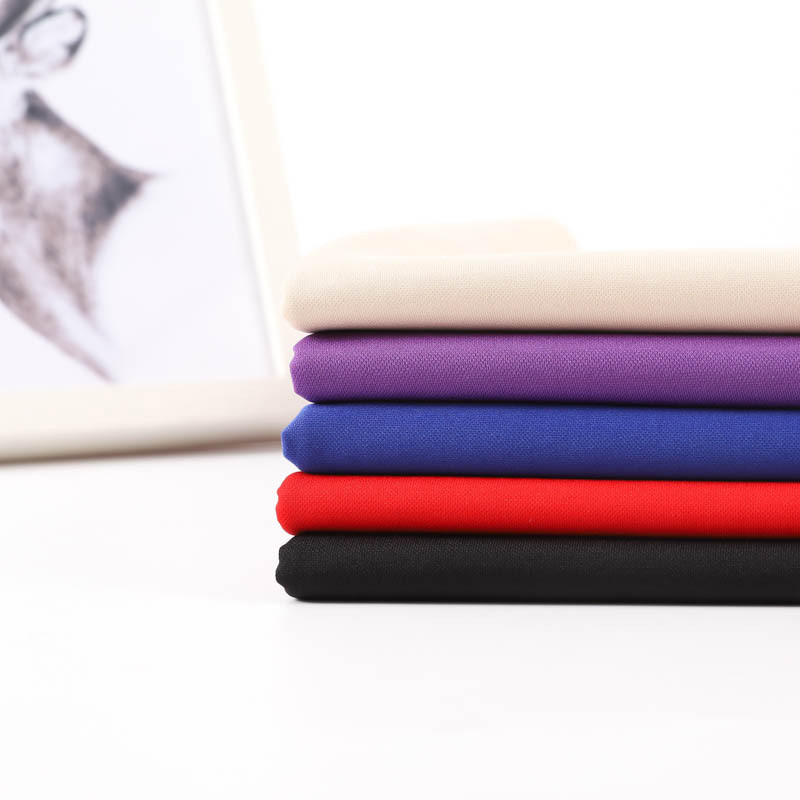
- Variety of Designs and Colors: Roman knitted fabric can be customized in a wide range of colors, patterns, and textures. Whether you're looking for neutral tones for a minimalist space or bold, textured patterns to make a statement, this fabric can accommodate a variety of interior design styles.
- Eco-Friendly and Stylish: Many interior designers are turning to Roman knitted fabric for its ability to combine eco-consciousness with modern aesthetics. Whether used in traditional or contemporary home décor, the natural look and feel of this fabric align perfectly with sustainable interior design trends.
Roman Knitted Fabric in Curtains and Drapery
Roman knitted fabric is also gaining traction as an ideal material for curtains and drapery. Its flexibility and lightweight nature make it an excellent choice for window treatments that require both style and practicality.
- Light Filtering: Roman knitted fabric is often used in Roman blinds, a popular style of window treatment that is both functional and visually appealing. This fabric allows for light filtering while still providing privacy. Depending on the thickness and weave of the fabric, it can block out UV rays and help maintain room temperature, contributing to energy efficiency in the home.
- Sustainability in Window Treatments: Just as with upholstered furniture, using Roman knitted fabric for curtains and blinds ensures that your window treatments are made from eco-friendly materials. Choosing fabric made from organic or recycled fibers can further reduce the environmental impact of your home décor.
How Roman Knitted Fabric Is Shaping the Future of Sustainable Interiors
Roman knitted fabric’s growing role in sustainable home furnishings speaks to the broader trend toward more conscious and ethical interior design. As consumers and businesses continue to embrace eco-friendly materials, Roman knitted fabric offers a unique opportunity to incorporate high-quality, durable, and sustainable textiles into home décor.
- Supporting Ethical Manufacturing: Many brands that offer Roman knitted fabric are also committed to ethical production practices, ensuring that the textiles are made in facilities that prioritize fair labor conditions, reduce waste, and use eco-conscious processes. This aligns with the values of consumers who want to make responsible purchasing decisions.
- Customizable for Different Interior Styles: Roman knitted fabric can easily be adapted to different styles, whether you prefer a rustic, bohemian, or sleek, modern aesthetic. The fabric's versatility makes it a great option for various types of home décor, from minimalist apartments to more traditional homes.
- Increasing Availability: As demand for sustainable textiles continues to rise, more manufacturers are producing high-quality Roman knitted fabrics that meet consumer preferences for both design and eco-friendliness. This increasing availability is making it easier for homeowners and designers to integrate sustainable fabrics into their interiors.
Challenges and Considerations
While Roman knitted fabric offers numerous benefits for sustainable home furnishings, there are some factors to consider before choosing this material for your home.
- Cost: High-quality, eco-friendly fabrics like Roman knitted fabric can come with a higher price tag compared to conventional textiles. However, the long-term durability and environmental benefits make it a worthwhile investment for many homeowners and businesses.
- Fabric Care: Some Roman knitted fabrics may require special care, such as hand washing or dry cleaning, especially if they are made from delicate natural fibers. It is important to follow proper care instructions to maintain the fabric’s appearance and longevity.