English
  中文简体
中文简体 To sew knit fabric successfully, use a ballpoint or stretch needle (size 75/11 or 90/14), a stretch or narrow zigzag stitch, and reduce presser foot pressure to prevent distortion. Rib knit fabric — one of the most elastic and structured knit types — requires particular attention to stitch choice and handling because it can stretch up to 100% horizontally. Skip any of these fundamentals and you risk skipped stitches, broken thread, or seams that pop during wear. Get them right, and rib knit becomes one of the most rewarding fabrics to work with.
Understanding Rib Knit Fabric Before You Sew
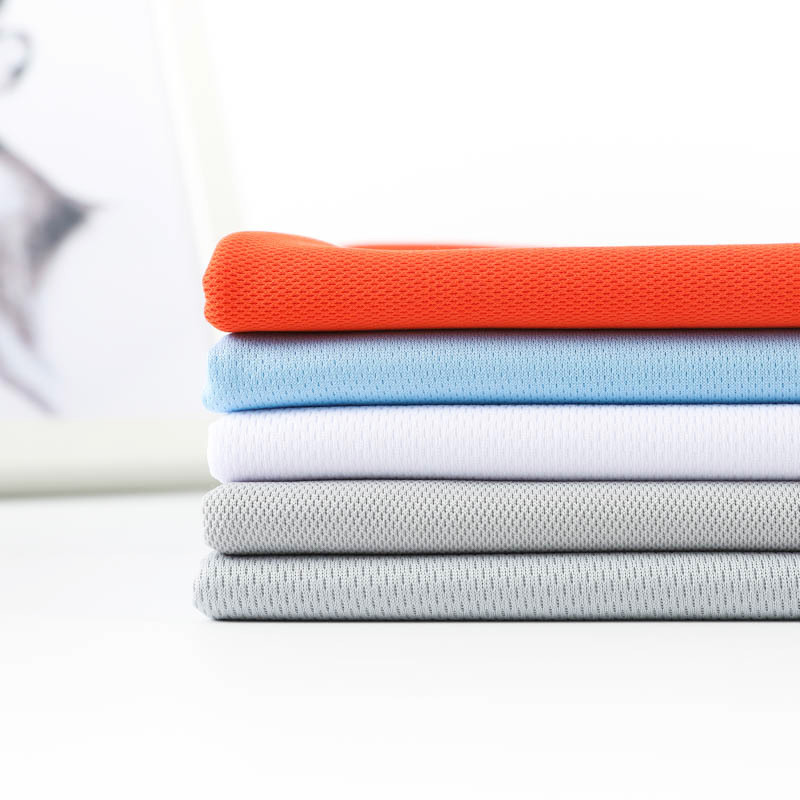
Rib knit is constructed with alternating knit and purl columns, creating vertical ridges that give it exceptional two-way stretch — typically 50–100% crosswise stretch and moderate lengthwise recovery. This structure makes it the standard choice for cuffs, neckbands, waistbands, and fitted garment edges.
Common rib knit compositions include cotton/spandex blends (95/5 or 90/10), polyester rib, and wool rib. Each behaves slightly differently under the needle:
- Cotton rib knit: Most forgiving and widely available; minimal heat sensitivity; tends to curl at raw edges.
- Poly/spandex rib: High recovery, slightly slippery; benefits from walking foot or differential feed.
- Wool rib: Excellent memory but heat-sensitive; press with a damp cloth and low steam setting.
Before cutting any rib knit, pre-wash and dry the fabric in the same way you plan to care for the finished garment. Rib knit can shrink 5–10% in the first wash, which will affect fit dramatically if not accounted for before cutting.
Essential Tools and Machine Settings for Sewing Knit Fabric
The right tools make the difference between clean, stretchy seams and a frustrating mess of skipped stitches and tunneled fabric.
Needles
Never use a sharp universal needle on knit fabric. The pointed tip pierces yarn fibers instead of sliding between them, causing runs and skipped stitches. Use:
- Ballpoint needle (Jersey needle): Best for stable knits and cotton rib. The rounded tip deflects rather than pierces fibers.
- Stretch needle: Best for high-spandex or very elastic rib knit. Has a special scarf design to prevent skipped stitches at high speed.
- Size guide: Use 75/11 for lightweight rib; 90/14 for medium-weight; replace the needle every 6–8 hours of sewing time.
Thread
Use polyester thread rather than cotton. Polyester has inherent elasticity — it stretches slightly before breaking — which means seams can flex without the thread snapping. An all-purpose polyester thread (e.g., Gutermann or Coats & Clark) works well for most rib knit projects.
Machine Settings
| Setting | Recommended Value | Why It Matters |
|---|---|---|
| Stitch type | Stretch stitch or zigzag (1.5–2mm wide) | Allows seam to stretch without breaking |
| Stitch length | 2.5–3.0 mm | Shorter stitches reduce flexibility; longer stitches risk seam gaps |
| Presser foot pressure | Reduced (30–50% of standard) | Prevents fabric from stretching as it feeds through |
| Tension | Slightly looser than standard | Tight tension causes thread breakage on stretch |
| Presser foot type | Walking foot or Teflon foot | Moves top and bottom fabric layers evenly |
How to Cut Rib Knit Fabric Without Distortion
Rib knit curls at cut edges and stretches under the weight of a rotary cutter or scissors if not handled carefully. Follow these steps for accurate, distortion-free cutting:
- Lay flat on a cutting mat: Never let rib knit hang off the table edge — the weight causes the fabric to stretch and your cut pieces will be misshapen.
- Use pattern weights instead of pins: Pins distort the fabric edge. Flat weights keep the pattern piece stable without stress.
- Cut with a rotary cutter: A sharp rotary cutter gives cleaner edges than scissors on stretch fabric. Replace blades regularly — a dull blade drags and stretches the knit.
- Cut in a single layer when possible: Folded rib knit can shift between layers; single-layer cutting ensures mirror-accurate pieces.
- Mark with chalk or tailor's tape: Avoid water-soluble pens on rib knit — moisture causes the fabric to curl tighter and distort markings.
When cutting rib knit for cuffs or waistbands, the standard rule is to cut the piece to 75–80% of the opening measurement it will be attached to. For example, a 20-inch sleeve opening calls for a cuff approximately 15–16 inches in circumference before seaming, so it hugs the wrist with comfortable negative ease.
Best Stitches for Sewing Knit Fabric
The stitch you choose determines whether your seam stretches with the fabric or snaps under tension. Here are the most practical options:
Zigzag Stitch
The most accessible option on any basic sewing machine. Set width to 1.5–2.0 mm and length to 2.5 mm. A narrow zigzag looks nearly straight from the right side but has enough lateral movement to flex with the fabric. Avoid a wide zigzag — it creates visible, unattractive seams on fitted garments.
Built-In Stretch Stitch (Lightning Stitch)
Many modern machines include a dedicated stretch stitch — it sews forward, backward, and forward again in each cycle, creating a triple-reinforced seam with excellent stretch recovery. The trade-off is that it is very difficult to unpick if you make an error.
Serger / Overlocker Stitch
A serger (overlocker) is the professional standard for knit fabric. It simultaneously sews, trims, and overcasts the seam in one pass, producing flatlock or 4-thread overlock seams that are both elastic and neat. Most commercial knitwear is sewn exclusively on sergers. If you sew knits regularly, a serger is a worthwhile investment — entry-level models start around $200–$300.
Twin Needle Hem
For hems on knit garments, a twin needle (size 4.0/75 or 2.5/75) creates two parallel stitch lines on the right side with a zigzag on the underside — mimicking the look of commercial coverstitch hems. Use a stretch twin needle specifically designed for knit fabric to prevent skipped stitches.
Step-by-Step: Attaching a Rib Knit Cuff or Neckband
Attaching rib knit trim to a garment opening is one of the most common sewing tasks — and one of the most commonly done incorrectly. Here is the reliable method:
- Cut the rib piece: Measure the garment opening (e.g., neckline = 22 inches). Cut the rib knit to 75–80% of that length (approximately 16–17 inches) by your desired finished width doubled, plus seam allowance.
- Seam the rib into a loop: Fold right sides together along the short ends and sew with a stretch stitch, forming a ring. Press the seam open gently.
- Fold the loop in half: Fold the rib ring lengthwise with wrong sides together so the raw edges align. You now have a doubled-over rib band.
- Quarter-mark both pieces: Use pins or clips to divide the garment opening and the rib band into four equal sections. This ensures even distribution of stretch around the opening.
- Pin and stretch-sew: Match quarter marks, pin the rib band to the garment (raw edges aligned). As you sew, gently stretch the rib band to match the garment edge — do not stretch the garment itself. Use a stretch stitch or narrow zigzag.
- Finish the seam allowance: Serge or zigzag the raw seam allowance, then press toward the garment body. Topstitch if desired to keep the seam flat.
Preventing and Fixing the Most Common Knit Sewing Problems
Even experienced sewists encounter these issues with rib knit. Here is how to diagnose and resolve each one:
| Problem | Likely Cause | Fix |
|---|---|---|
| Skipped stitches | Wrong needle type or dull needle | Switch to stretch needle; replace if older than 8 hours use |
| Wavy / tunneling seams | Fabric stretched while feeding | Reduce foot pressure; use walking foot; don't pull fabric |
| Seam pops during wear | Non-stretch stitch used | Re-sew with zigzag or built-in stretch stitch |
| Curling raw edges | Normal behavior of rib knit | Serge edges immediately after cutting; use clips not pins |
| Thread breakage | Tension too tight or cotton thread used | Loosen tension slightly; switch to polyester thread |
| Uneven neckband attachment | No quarter-marking before sewing | Always quarter-mark and distribute stretch evenly |
Pressing and Finishing Rib Knit Fabric
Pressing knit seams requires a different approach than woven fabric. Aggressive pressing can stretch seams permanently and flatten the rib texture.
- Press, don't iron: Lift and set the iron straight down rather than sliding it. Sliding stretches the rib structure.
- Use a damp press cloth: Especially for cotton rib; the moisture relaxes fibers and helps seams lie flat without steam-stretching them.
- Temperature settings: Cotton rib — medium-high (cotton setting); poly/spandex rib — low to medium; wool rib — medium with damp cloth, never high direct heat.
- Let it cool flat: After pressing, leave the piece flat on the ironing board until fully cool. Moving it while hot can distort the shape.
For hems, fold up the desired hem allowance (¾ to 1 inch works well for rib knit), press lightly to set the fold, then sew with a twin needle or coverstitch for a professional finish that stretches without breaking.
Sewing Rib Knit on a Regular Machine vs. a Serger
Many sewists wonder whether they truly need a serger to work with rib knit. The honest answer is: a serger produces superior results, but a regular sewing machine is entirely capable if set up correctly.
- Regular machine strengths: Accessible, handles topstitching well, easy to unpick mistakes, sufficient for occasional knit projects.
- Regular machine limitations: Requires additional finishing steps for raw edges; stretch stitches are harder to remove; may struggle with very high-stretch spandex rib.
- Serger strengths: Sews, trims, and overcasts in one pass; produces professional-grade seams identical to commercial knitwear; handles all stretch levels with ease.
- Serger limitations: Higher cost ($200–$800+); steeper learning curve for threading; difficult to sew curved or detailed seams compared to standard machines.
A practical compromise for those without a serger: sew seams with a narrow zigzag on a regular machine, then finish the raw edges with a wide zigzag or three-step zigzag stitch set to maximum width. This replicates overcast finishing and controls the characteristic rib knit curl effectively.