English
  中文简体
中文简体 In most cases, tailor's chalk comes out of fabric easily with dry brushing, cold water, or a mild soap solution—but the correct method depends entirely on the fabric type. Standard woven clothing fabrics respond well to a stiff brush or damp cloth. Knitted fabrics require a gentler touch to avoid distorting the structure. Outdoor sports fabrics with DWR (Durable Water Repellent) coatings need special care to avoid degrading their performance finish. Using the wrong removal method—particularly hot water or aggressive rubbing on the wrong fabric—can set the chalk deeper, cause colour bleed, or permanently damage the surface. This guide gives you the right approach for each fabric category, plus solutions for stubborn residue that won't shift with basic methods.
What Tailor's Chalk Is Made Of and Why It Matters for Removal
Understanding what tailor's chalk is composed of explains why certain removal methods work and others fail. There are three main types in common use, and each behaves differently on fabric:
- Clay-based chalk – The traditional form, made from compressed kaolin or talc. Sits on top of fabric fibres rather than penetrating them. Generally the easiest to remove with dry brushing alone.
- Wax-based chalk – Contains wax binders that help the mark hold on smooth fabrics. More resistant to dry brushing; requires water and mild detergent, or in persistent cases, a small amount of washing-up liquid applied directly to the mark before rinsing.
- Chalk pencils and chalk wheels – Use a fine powder or wax-powder blend. The powder version is easiest to remove; the wax-blend version behaves like wax chalk and needs a slightly more active removal method.
The biggest risk with all types is heat setting. Ironing over tailor's chalk—particularly wax-based chalk on synthetic or blended fabrics—can melt the wax into the fibres and create a permanent or near-permanent stain. Always remove chalk marks before pressing the fabric.
General Method: Removing Tailor's Chalk from Standard Clothing Fabrics
For most standard woven clothing fabrics—cotton, linen, polyester, viscose, and wool suiting—removal follows a clear sequence from least to most intervention. Always start with the gentlest method and escalate only if needed.
- Dry brush first. Use a clean, dry clothes brush or a soft-bristle toothbrush and brush lightly along the grain of the fabric—not across it. For clay-based chalk on smooth wovens, this alone removes 80 to 90% of the mark without any moisture.
- Shake and flick. Hold the fabric taut and flick the back of the marked area sharply with your fingers. The vibration dislodges loose chalk particles that brushing missed. Do this over a bin or outside.
- Cold damp cloth. If a faint mark remains, dampen a clean white cloth with cold water and blot—do not rub—the area. Cold water keeps wax chalk soft; hot water can push wax-based chalk further into fibres.
- Mild soap solution. Mix a small amount of pH-neutral washing-up liquid or gentle laundry detergent with cold water. Apply with a soft cloth using light circular motions working from the outside edge of the mark inward to prevent spreading. Rinse with a cold damp cloth.
- Machine wash if the care label permits. If the above steps leave residue, a standard cold or 30°C machine wash cycle with normal detergent will remove remaining chalk from most clothing fabrics. Always check the care label first.
For dark fabrics, even fully removed chalk can leave a faint pale residue that only becomes visible in certain light. A final wipe with a slightly damp cloth in the direction of the fabric grain usually resolves this.
How to Remove Tailor's Chalk from Knitted Fabrics
Knitted fabrics—jersey, rib knit, interlock, fleece, and hand-knit wool—require a different approach because their looped structure traps chalk particles differently from woven fabrics, and because knits are prone to distortion, pilling, and stretching if handled too aggressively during cleaning.
Why Knits Need Extra Care
The loop structure of knitted fabric means chalk can settle into the spaces between loops rather than just sitting on the surface. Rubbing—even with a soft cloth—can work chalk particles deeper into these loops and simultaneously cause the fabric to pill or stretch out of shape at the marked area. Blotting and lifting motions are always safer than rubbing on knit fabrics.
Step-by-Step Method for Knitted Fabrics
- Lay the fabric flat on a clean surface. Never hang a knit garment with a wet chalk mark—gravity can stretch the fabric while wet, permanently distorting the shape.
- Use a lint roller or tape lift. Press and lift—do not roll back and forth—over the chalk mark. This lifts loose chalk powder from the loop surface without disturbing the fibre structure. Repeat with a fresh section of tape as needed.
- Soft brush along the knit's grain. Use a very soft brush (a clean makeup brush or baby toothbrush works well) and stroke in the direction the loops run. Avoid cross-grain brushing, which risks snagging loops.
- Blot with a cold damp cloth. Dampen a clean white cloth and press it firmly over the mark—hold for 10 seconds—then lift straight up. Repeat until the mark transfers to the cloth. Do not rub.
- For wax chalk residue on fine knits, apply a tiny drop of washing-up liquid directly to the mark, work it in gently with a fingertip using circular motions no larger than the mark itself, then rinse by blotting with cold water.
- Hand wash or use a delicate machine cycle if residue persists, following the garment's care label. Use cool water (maximum 30°C) and a detergent formulated for knitwear or delicates.
Special Consideration: Wool Knits
Wool knits—particularly fine merino and cashmere—are susceptible to felting if agitated while wet. Keep water contact minimal, use only wool-safe detergent, and never wring or twist. Dry flat on a clean towel away from direct heat. For chalk marks on dry-clean-only wool knits, dry brushing is the only safe home method; take the garment to a dry cleaner for any marks that require moisture treatment.
How to Remove Tailor's Chalk from Outdoor Sports Fabrics
Outdoor sports fabrics present the most technically complex chalk removal challenge because many of them carry functional coatings or treatments that can be damaged by the wrong cleaning method. The most important of these is the DWR (Durable Water Repellent) coating applied to softshell jackets, waterproof-breathable membranes (Gore-Tex, eVent, Pertex Shield), and many performance outer layers.
Why DWR Coatings Change the Rules
DWR coatings cause water to bead off the fabric surface. When chalk is applied to a DWR-treated fabric, it often sits on top of the coating rather than penetrating the fabric fibres—which sounds advantageous, but the risk is that aggressive rubbing or harsh detergents strip or damage the DWR layer, causing the fabric to wet out (absorb water) rather than repel it. Restoring a damaged DWR coating requires re-treatment with a DWR spray or wash-in product, adding unnecessary cost and effort.
Safe Removal Method for Outdoor and Sports Fabrics
- Dry brush immediately. On DWR fabrics, chalk often lifts almost entirely with a single pass of a soft clothes brush because the coating prevents penetration. Do this before applying any moisture.
- Use cold water only. If brushing leaves a residue, blot with a cold damp cloth using minimal pressure. The DWR surface means water beads, so work slowly and allow brief contact time before lifting the cloth.
- Avoid standard washing-up liquid and household detergents. These contain surfactants that actively degrade DWR coatings. If a cleaning agent is needed, use a technical fabric cleaner specifically formulated for outdoor performance gear (Nikwax Tech Wash, Grangers Performance Wash, or similar).
- Machine wash only with technical cleaner if blotting fails, using a gentle cycle at 30°C with no spin or low spin. Do not use fabric conditioner—it coats fibres and blocks breathability.
- Restore DWR after washing if the fabric shows wetting out (water soaking in rather than beading). Tumble dry on low heat for 20 minutes after washing—heat reactivates many factory DWR treatments—or apply a DWR restorer spray while the fabric is still damp.
Other Outdoor Fabric Types to Handle Carefully
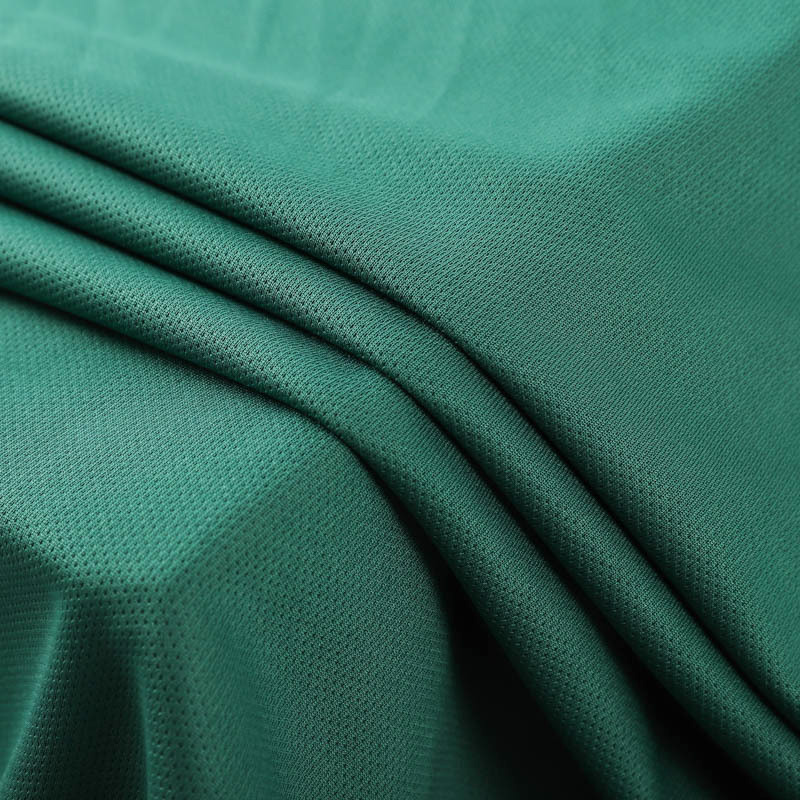
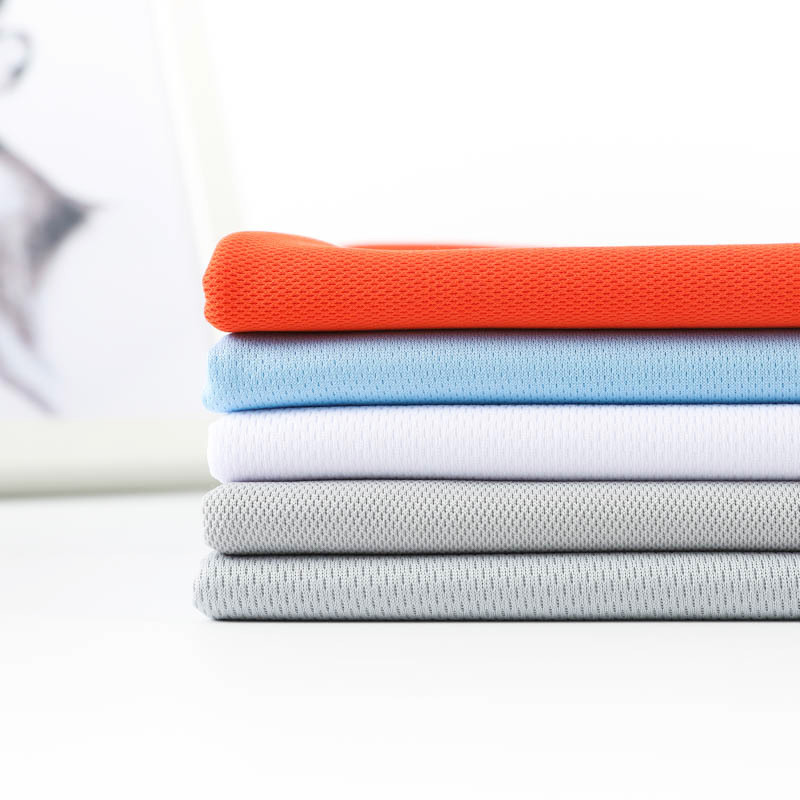
- Mesh and stretch wovens (used in running, cycling, and hiking apparel): These open-weave structures trap chalk particles in the mesh holes. Use a soft brush and rinse under cold running water rather than blotting, directing the flow from the reverse side of the fabric to push particles out the way they came in.
- Neoprene and rubber-coated fabrics (wetsuits, water sport gear): Use only cold water and a very soft cloth; no detergents unless specifically formulated for neoprene, as surfactants degrade the rubber structure.
- Reflective panels: The metallic reflective coating on high-visibility sportswear is easily scratched or clouded. Blot gently only; never scrub.
Fabric-by-Fabric Quick Reference: Best Removal Method
| Fabric Type | First Step | If Mark Remains | Key Caution |
|---|---|---|---|
| Cotton / linen woven | Dry brush | Cold damp cloth, then machine wash at 30°C | Avoid hot water on wax chalk |
| Polyester / viscose | Dry brush | Cold blot with mild soap, rinse, machine wash | No heat until chalk is fully removed |
| Wool suiting (woven) | Dry brush along grain | Cold blot only; dry clean if wax-based | No rubbing; no machine wash without care label check |
| Jersey / interlock knit | Tape lift, then soft brush | Blot with cold damp cloth; delicate wash at 30°C | No rubbing; lay flat to dry |
| Wool / cashmere knit | Soft brush along loop direction | Minimal cold blot; wool-safe hand wash only | No agitation; no heat; lay flat to dry |
| DWR-coated softshell / waterproof | Dry brush (usually sufficient) | Cold blot; technical fabric cleaner wash | No standard detergents; restore DWR after washing |
| Mesh / open-weave sports | Soft brush | Cold running water from reverse side | Direction of water flow matters—work from back |
| Silk / satin | Very soft dry brush only | Dry clean only for wax chalk residue | Water causes watermarks on silk; no home wet treatment |
Dealing with Stubborn or Set-In Chalk Marks
If chalk has been ironed over, left on fabric for an extended period, or worked into fibres through use, standard removal steps may not be sufficient. The following approaches address persistent marks on fabrics that can tolerate them:
White Vinegar Solution for Wax-Set Chalk
Mix equal parts white vinegar and cold water. Apply to the mark with a clean white cloth using a blotting motion. The mild acidity helps break down wax binders without damaging most natural and synthetic fibres. Do not use on silk, acetate, or fabrics with metallic threads—acetic acid can damage these fibres. Rinse thoroughly with cold water after treatment.
Enzyme-Based Pre-Treatment Spray
Enzyme-based stain removers (such as those containing protease, lipase, or amylase) are effective on organic residue in chalk binders. Spray lightly onto the mark, leave for 5 to 10 minutes (no longer on delicate fabrics), then rinse or machine wash according to the care label. Suitable for most cotton, polyester, and blended clothing fabrics; not recommended for wool, silk, or cashmere as enzymes can damage protein fibres.
Rubbing Alcohol for Colour-Tinted Chalk
Some tailor's chalk products contain dye to make the mark more visible on light fabrics. If a coloured tint remains after the chalk body has been removed, a small amount of isopropyl alcohol (70% concentration) applied with a cotton bud and blotted—not rubbed—can lift the dye residue from most synthetic and cotton fabrics. Test on a hidden seam allowance first; alcohol can strip colour from some dyed fabrics.
Prevention: Reducing Chalk Residue Before It Becomes a Problem
The most effective strategy for minimising chalk removal effort is reducing residue at the marking stage. These practices make removal faster and easier on every fabric type:
- Use the lightest possible pressure when marking. A light line of chalk sits on fibre surfaces and brushes off easily. Heavy pressure drives chalk into the weave or knit loops, making it significantly harder to remove.
- Choose clay-based chalk over wax-based for fabrics that will be machine washed. Clay chalk is water-soluble and removes in the first wash; wax chalk is not water-soluble and requires additional treatment.
- Mark on the wrong side of the fabric wherever possible. On woven fabrics, this keeps chalk away from the visible surface entirely. On knits and sports fabrics where the wrong side is not accessible, mark within seam allowances only.
- Remove chalk marks before pressing. This is the single most important rule. Ironing over chalk—especially wax chalk on polyester or nylon—can fuse it permanently into the fabric. If you must press over a marked area, place a clean pressing cloth between the iron and the chalk mark.
- For dark or technical fabrics, consider chalk alternatives. Chalk soap slivers, water-soluble fabric markers, and thread-trace marking leave less residue on problematic fabrics and eliminate the removal challenge entirely for many applications.
When to Take the Fabric to a Professional
Most chalk removal can be handled at home, but certain situations warrant professional dry cleaning or specialist textile treatment:
- Chalk has been ironed directly onto a dry-clean-only wool, silk, or structured suiting fabric and has visibly set into the fibres
- Coloured chalk has left a visible dye stain on a light or delicate fabric after all home methods have been tried
- The garment is a high-value item (tailored suit, wedding dress, performance outerwear over £200) where the risk of incorrect home treatment outweighs the dry cleaning cost
- The fabric construction is complex—bonded layers, laminated membranes, fused interlinings—and moisture treatment risks delaminating the layers
When taking a garment to a dry cleaner, always point out the chalk mark specifically and identify the type of chalk used if known. Dry cleaners use solvent-based processes that remove wax residues effectively, but they need to know what they are treating to select the appropriate solvent and technique.