English
  中文简体
中文简体 In most cases, tailor's chalk brushes off fabric with a soft-bristle brush or damp cloth once the sewing is complete. However, stubborn chalk residue — especially on textured, coated, or delicate fabrics like knitted fabrics, double-sided cotton fabric, and outdoor sports fabric — requires a more targeted approach. The removal method depends on the chalk type (wax-based, clay-based, or chalk pencil) and the specific fabric construction. This guide covers proven removal techniques for each major clothing fabric type, along with what to avoid to prevent permanent marks or fabric damage.
Understanding Tailor's Chalk Types and Why Removal Difficulty Varies
Not all tailor's chalk behaves the same way on fabric. Before choosing a removal method, identify which type of chalk was used — this single factor determines whether a dry brush is sufficient or whether a solvent is needed.
- Clay-based chalk (traditional triangular chalk): The most common type. Composed primarily of calcium carbonate or talc. Usually brushes off dry fabric easily and dissolves in water. Rarely causes permanent staining on most clothing fabrics.
- Wax-based chalk: Contains paraffin or stearic acid binders that give it better visibility on dark fabrics. Significantly harder to remove because the wax bonds to fabric fibers, especially on textured surfaces like knits or fleece. Requires heat or solvent treatment in many cases.
- Chalk pencils and chalk wheels: Finely milled chalk in a pencil or rolling dispenser form. Leaves a thin, precise line that tends to penetrate deeper into the fabric weave, making it harder to brush off than block chalk. Often requires damp removal even on smooth fabrics.
- Air-erasable and water-soluble markers (often mistaken for chalk): These are not chalk at all, but fabric pens. Air-erasable marks fade within 24–48 hours; water-soluble marks rinse out with cold water. If the mark is not fading naturally, it may be a permanent marker used in error — treat differently.
Wax-based chalk on outdoor sports fabric with DWR coating is the most challenging scenario covered in this guide. Clay-based chalk on smooth cotton is the easiest. Every method below is organized accordingly.
General Rules Before You Start Removing Tailor's Chalk
Regardless of fabric type, following these principles prevents minor chalk marks from becoming permanent stains:
- Always test on a hidden area first. Apply your chosen removal method — whether water, rubbing alcohol, or a solvent — to an inside seam allowance or hem before treating the visible surface. This is non-negotiable for coated fabrics and delicate knits.
- Never rub chalk marks — always brush or blot. Rubbing pushes chalk particles deeper into the fiber structure and can spread the mark significantly. Use a soft brush with light strokes moving outward from the center of the mark.
- Remove chalk before washing wherever possible. Washing chalk into a fabric — particularly wax-based chalk — can set the residue more firmly. Dry-brush or blot first, then launder if needed.
- Use cold or lukewarm water, not hot. Hot water can set certain chalk binders and may cause color bleeding in some clothing fabrics. Cold water is always the safer starting point.
- Check the care label before any wet treatment. Dry-clean only fabrics, structured double-sided fabrics, and some outdoor technical fabrics should not be wet-treated at home without professional guidance.
How to Remove Tailor's Chalk from Knitted Fabrics
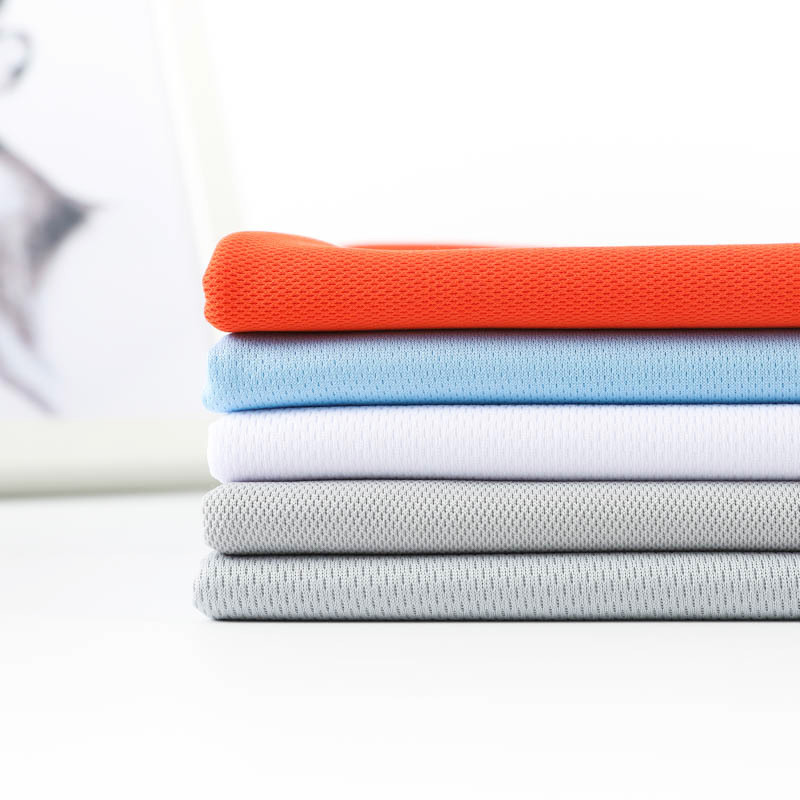
Knitted fabrics — including jersey, interlock, rib knit, ponte, and sweater knits — present unique challenges for chalk removal because their looped structure traps particles between fibers, and the fabric stretches during treatment, which can distort the weave or spread the chalk further.
Step-by-Step Method for Clay-Based Chalk on Knits
- Lay the knitted fabric flat on a firm surface — never hold it suspended, as gravity will stretch the fabric and spread the chalk.
- Use a clean, soft-bristle toothbrush or lint brush to gently flick chalk particles out of the knit loops. Work from the outer edge of the mark inward to avoid spreading.
- If residue remains, dampen a clean white cloth with cold water and blot — do not rub — the mark. The moisture reactivates the water-soluble chalk binder and lifts it to the cloth surface.
- Allow to air-dry flat. Check the mark under good lighting before proceeding to machine washing.
Removing Wax-Based Chalk from Knitted Fabrics
Wax-based chalk on knits requires a different approach because water alone will not dissolve the wax component:
- Place the fabric chalk-side down on a clean white paper towel or absorbent cloth.
- Set a warm iron (not hot) on a pressing cloth placed over the back of the fabric. The gentle heat melts the wax binder, which transfers into the absorbent paper beneath. Move the iron slowly — do not press and hold, as this can distort stretch fabrics.
- Replace the paper towel as it absorbs wax and repeat until no more transfers.
- Apply a small amount of liquid dish soap or pre-wash stain remover to any remaining oily residue, work it gently into the knit with fingertips, then rinse with cold water.
- Machine wash on a gentle cycle according to the care label. Do not put in the dryer until you confirm the mark is gone — heat from a dryer will permanently set any remaining wax residue.
For fine knits such as wool jersey or cashmere blends, skip the iron method entirely and use a small amount of dry-cleaning solvent (such as K2r or Carbona) applied with a cotton swab instead, as heat can felt or shrink delicate protein fibers.
Removing Tailor's Chalk from Double-Sided Cotton Fabric
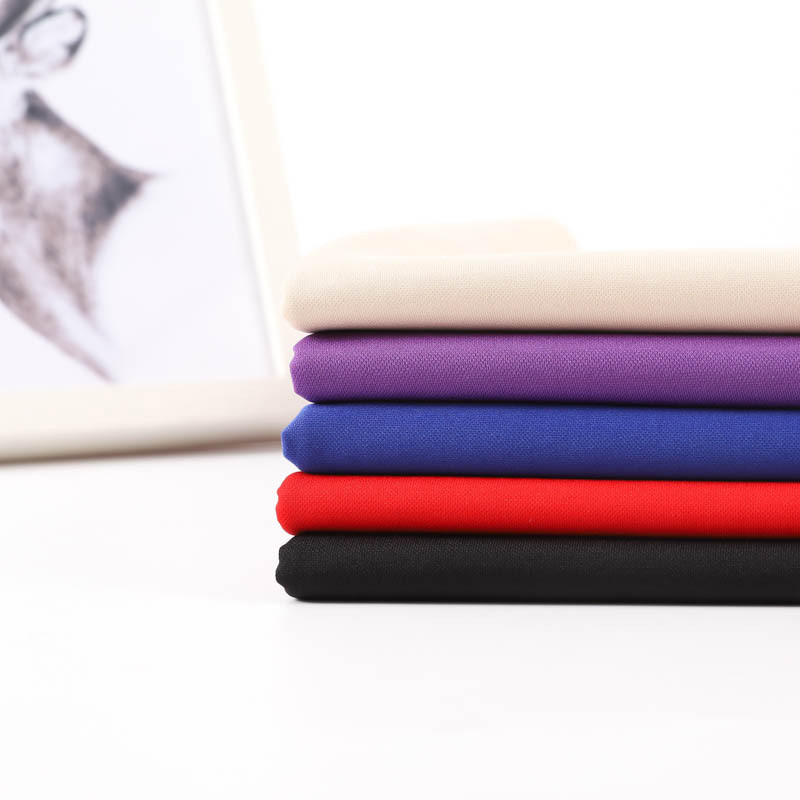
Double-sided cotton fabric — such as double gauze, double weave, or bonded cotton — is particularly tricky because it has two distinct fabric layers. Wet treatment applied to one side can cause the layers to shift, pucker, or delaminate if they are bonded with adhesive. Additionally, the inner layer between the two faces can trap chalk residue invisibly.
Safe Removal Steps for Double-Sided Cotton
- Check whether the fabric is woven double-sided or adhesive-bonded. Woven double-sided fabric (two woven layers connected by interlocking threads) can generally tolerate gentle wet treatment. Adhesive-bonded double-sided fabric should be treated with minimal moisture to prevent delamination.
- For clay-based chalk, begin with a dry lint roller or soft brush on both sides of the fabric. Many marks on double cotton will lift completely with dry methods alone.
- For remaining residue on woven double cotton, use a barely damp cloth — wrung out thoroughly so it transfers minimal moisture — and blot the mark from the front face only.
- Lay flat to dry immediately. Do not fold or bunch the fabric while damp, as the two layers can bond unevenly as they dry.
- For adhesive-bonded double cotton with stubborn wax chalk, consult a dry cleaner rather than attempting solvent treatment at home — the solvent may dissolve the bonding adhesive between layers.
Removing Tailor's Chalk from Outdoor Sports Fabric
Outdoor sports fabric includes performance materials such as nylon ripstop, polyester fleece, softshell, hardshell laminate, and moisture-wicking synthetics — many treated with a Durable Water Repellent (DWR) finish. Chalk removal on these fabrics requires extra caution because aggressive cleaning can strip the DWR coating, reducing the fabric's water repellency.
DWR-Coated Fabrics: What to Avoid
- Avoid standard laundry detergents — they contain surfactants that degrade DWR coatings. Use a technical fabric cleaner if machine washing is needed.
- Avoid rubbing alcohol and acetone on coated outdoor fabrics — these solvents can damage both the DWR layer and any polyurethane or ePTFE membrane laminated to the back of the fabric.
- Avoid high heat from irons directly on nylon or polyester — synthetic outdoor fabrics typically have a safe ironing range of 110°C–130°C maximum, and many have no-iron care labels entirely.
Recommended Removal Method for Outdoor Sports Fabric
- Start with a soft-bristle brush or clean dry cloth to remove loose chalk. On tightly woven nylon or polyester ripstop, clay-based chalk typically brushes off completely at this stage.
- For any residue, use a clean cloth dampened with plain cold water and blot gently. The DWR coating on outdoor fabrics means water will bead on the surface rather than absorbing — this actually makes chalk removal easier on the surface, but harder if chalk has worked into a seam or textured fleece backing.
- For chalk embedded in fleece or brushed outdoor fabrics, use a fine-toothed fabric comb or stiff lint brush to lift the chalk out of the pile. Work in the direction of the pile to avoid matting the surface fibers.
- For wax-based chalk on outdoor fabric, apply a small amount of isopropyl alcohol (70%) to a cotton pad and blot — not rub — the mark on non-coated, non-membrane fabrics only. Always patch-test first on a hidden seam.
- After any wet treatment, allow to air-dry fully, then re-activate the DWR coating by tumble drying on low heat for 20 minutes or ironing on low through a pressing cloth — heat re-bonds DWR polymers to the fabric surface.
Chalk Removal Methods by Fabric Type: Quick Reference
The table below summarizes the recommended primary and backup removal methods for the most common clothing fabric types encountered in sewing and garment construction:
| Fabric Type | Clay Chalk — First Method | Wax Chalk — First Method | Key Caution |
|---|---|---|---|
| Smooth cotton / linen | Dry brush, then damp cloth | Iron over paper towel, then dish soap | Check colorfastness before wetting |
| Knitted fabric (jersey, rib) | Soft brush flat on surface | Warm iron on paper, then stain remover | Keep flat; avoid stretching during treatment |
| Double-sided cotton | Lint roller or dry brush | Barely damp blot (woven only) | Avoid excess moisture on bonded types |
| Outdoor sports fabric | Dry brush, cold water blot | Isopropyl alcohol blot (patch-test first) | Protect DWR; avoid detergents and heat |
| Wool / fine knit | Dry brush, cold damp blot | Dry-cleaning solvent on cotton swab | No heat; heat felts wool fibers |
| Silk / satin | Dry brush only | Professional dry cleaning recommended | Water can leave permanent rings on silk |
| Denim / canvas | Stiff brush, then cold wash | Dish soap scrub, then machine wash | Pre-wash denim for colorfastness |
What to Do When Chalk Has Been Washed In or Left to Set
If tailor's chalk has been accidentally laundered into the fabric — particularly wax-based chalk — the residue may appear as a faint greasy shadow or white haze even after washing. This is more common on dark clothing fabrics like navy, charcoal, or black, where chalk contrast is highest.
- For clay-based chalk that has been washed in: Re-wet the area with cold water and apply a small amount of white vinegar (undiluted) with a cloth. The mild acidity helps dissolve remaining calcium carbonate residue. Rinse thoroughly, then re-wash. This method is safe for cotton, linen, and most synthetic fabrics.
- For wax-based chalk that has been tumble-dried: The heat has partially melted and reset the wax into the fibers. Apply a commercial degreaser or pre-treatment spray directly to the mark, leave for 10–15 minutes, then wash in the warmest temperature safe for the fabric. Repeat if needed — set wax stains often require two to three treatment cycles.
- For persistent marks on dark fabrics: A paste of baking soda and dish soap (equal parts, mixed to a paste consistency) applied with a soft toothbrush and left for 20 minutes can lift residue that resists standard detergent. Rinse in cold water and check before drying.
- If none of the above resolves a set mark after two attempts, consult a professional dry cleaner and specify that the mark is from wax-based tailor's chalk — this information helps them select the correct solvent without damaging the fabric.
Preventing Chalk Marks from Becoming Permanent: Best Practices for Sewers
The easiest way to deal with tailor's chalk residue is to prevent stubborn marks from forming in the first place. These practices significantly reduce removal effort across all clothing fabric types:
- Match chalk type to fabric: Use clay-based chalk on light and medium-weight fabrics for easy removal. Reserve wax chalk only for very dark or slippery fabrics where visibility is essential, and plan your removal approach before marking.
- Use the lightest pressure possible: Pressing chalk hard into fabric drives particles deeper into the weave. A light, confident stroke is sufficient for visibility and removes far more easily.
- Mark on the wrong side wherever possible: For most garment construction tasks, marking on the fabric's wrong side keeps any residue hidden inside the finished garment, eliminating removal concerns entirely.
- Remove chalk before pressing: Ironing over chalk marks — especially wax-based chalk — sets them firmly into the fabric. Always brush off chalk before any pressing or steaming step in the construction process.
- Consider chalk alternatives for sensitive fabrics: For outdoor sports fabric with DWR coating, knits prone to distortion, or double-sided cotton, consider using thread tracing (tailor's tacks), hera markers, or air-erasable pens instead of chalk. These alternatives leave no residue and eliminate removal entirely.
The most important rule: remove chalk before the garment is finished, not after. Once a garment is constructed and pressed, accessing chalk marks within seam allowances or on enclosed fabric layers becomes significantly more difficult. Building chalk removal into your sewing workflow — brush off marks as soon as each section is sewn — keeps every fabric type looking clean and professional throughout the construction process.