English
 中文简体
At Shaoxing Yihan Textile Co., Ltd., we talk to fabric buyers and DIY makers every week. One of the most common questions we hear is: How many yards of fleece do I need for a blanket? The short answer for an adult throw is usually two yards per layer, but the full picture depends on the finished size, fabric width, and whether you want to add fringe. In this guide, we’ll break down the numbers so you can plan your project with confidence — no guesswork required.
Key Factors That Affect Fleece Yardage
Before you head to the fabric store or place an order, keep these four variables in mind:
- Blanket size. A baby blanket obviously takes far less fabric than a king-size bedspread. Most DIY fleece blanket patterns are designed for throws, but we’ll cover all common sizes below.
- Fabric width. Standard fleece usually comes in widths of 54 to 60 inches. A wider fabric gives you more coverage in one piece, which can reduce the total yardage compared to narrower fabrics that need piecing.
- Number of layers. No-sew tie blankets are usually made with two layers of fleece (one for the front and one for the back), so you need two pieces of the same size.
- Allowance for ties or seams. If your project has a sewn border, you need a small seam allowance. If it’s a classic no-sew tie blanket, the fringe consumes 2–4 inches around the edge, so you may want to add an extra 0.25 to 0.5 yard per side.
Fleece Yardage by Blanket Size
These figures are based on fleece with a usable width of roughly 54–60 inches. Always measure your planned blanket first, and add a little extra if you want a generous overhang or a wide fringe.
| Blanket Type | Finished Size (inches) | Yards per Layer | Total for Two Layers |
|---|---|---|---|
| Baby / lap | 30 x 40 | 1 | 2 |
| Child / small throw | 40 x 50 | 1.5 | 3 |
| Adult throw | 50 x 60 | 1.75 – 2 | 3.5 – 4 |
| Twin | 60 x 80 | 2.25 – 2.5 | 4.5 – 5 |
| Full | 70 x 90 | 2.75 – 3 | 5.5 – 6 |
| Queen | 90 x 95 | 3.25 – 3.5 | 6.5 – 7 |
| King | 104 x 92 | 3.75 – 4 (piece if needed) | 7.5 – 8 |
For a typical adult throw with standard 54-inch fleece, most crafters buy 2 yards per layer, which means 4 yards total if you’re using two different colors. If you want the blanket to be more generous, round up to 2.5 yards per layer.
How to Calculate Your Own Fleece Yardage
If you’re working with a custom size, the math is simple:
- Decide the finished length of your blanket in inches.
- Add 4 to 6 inches for seam allowance or fringe.
- Divide the total by 36 to get the number of yards per layer.
- Round up to the nearest quarter yard.
- Multiply by 2 if you’re making a two-layer blanket.
For example, let’s say you want a 60-inch-long throw with a small 4-inch allowance. That’s 64 inches. 64 ÷ 36 = 1.78, so you’d buy 1.75 or 2 yards per layer. For two layers, buy double that amount, or 3.5–4 yards total.
If you’re using different fabrics for the front and back, you’ll need that calculated amount in each fabric. For a single-layer blanket, simply skip the final multiplication step.
Cutting and Saving Fabric: Pro Tips from a Mill
Over the years, we’ve watched customers cut thousands of meters of knitted fabric, and a few simple habits make a real difference.
- Pre-wash and dry your fleece before cutting. Even if it’s labeled non-shrink, a pre-wash prevents surprises later.
- Use a sharp rotary cutter and a self-healing mat. A dull blade drags the fabric and creates uneven edges.
- Square the ends first. Fleece can stretch slightly, especially when rolled on a bolt. Trim off the selvedge edge and make a clean straight cut before measuring.
- Add extra only if your design calls for a deep fringe or a folded border. For a simple sewn edge, a 1-inch allowance is plenty.
- Consider fabric width carefully. For a queen or king blanket, choose the widest fleece you can find (usually 58–60 inches) to avoid awkward seams. If you must piece fabric, add about half a yard of total extra yardage.
If you need more specific guidance on choosing between knit and woven materials, our earlier article on double-sided flat woven fabric in home decor might give you some ideas for a different texture.
Choosing the Right Fabric for a Warm, Cozy Blanket
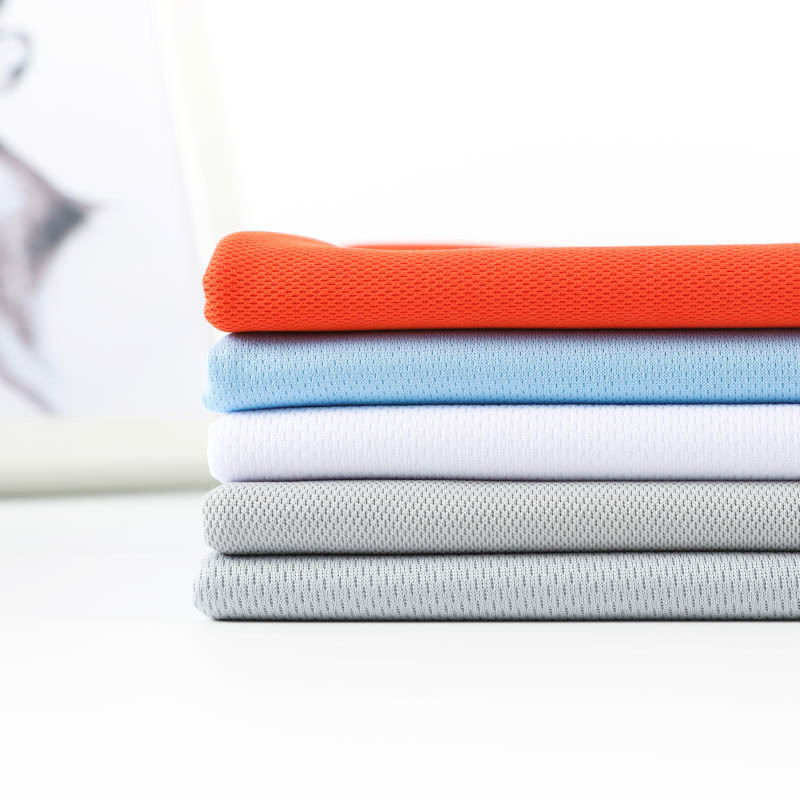
Traditional fleece is a brushed polyester knit that’s easy to work with, but it’s not the only option. As a manufacturer of knitted fabrics, we often suggest air layer fabrics for blankets that need a thicker, more structured feel. Air layer has a subtle spongy texture that traps heat without making the blanket too heavy. You can see our air layer fabric collection to understand the range of weights and constructions available.
 Cotton-Polyester Air Layer Fabric for Warmth and SupportThis air layer fabric offers a thicker, spongy texture that traps heat without added weight, making it ideal for blankets and cold-weather garments.View Product →
For anyone who still loves the soft, brushed hand of fleece, another option is a cotton sweater fabric or sweatshirt fleece. This is a loopback knit with a brushed interior, often used for sweatshirts but also a favorite for cozy throws. Because it’s naturally breathable, it’s a good choice if you want warmth without overheating.
 Pure Cotton Sweatshirt Fleece for Breathable WarmthA loopback knit with a brushed interior, this breathable cotton fabric keeps you cozy without overheating, perfect for sweatshirts and casual wear.View Product →
And if you’re making a decorative throw or a baby blanket with a touch of luxury, our 1×1 ribbed velvet fabric offers a plush surface with a bit of stretch. It’s not treated with heavy chemicals like some cheap fleece, and the texture tends to hold up well to machine washing.
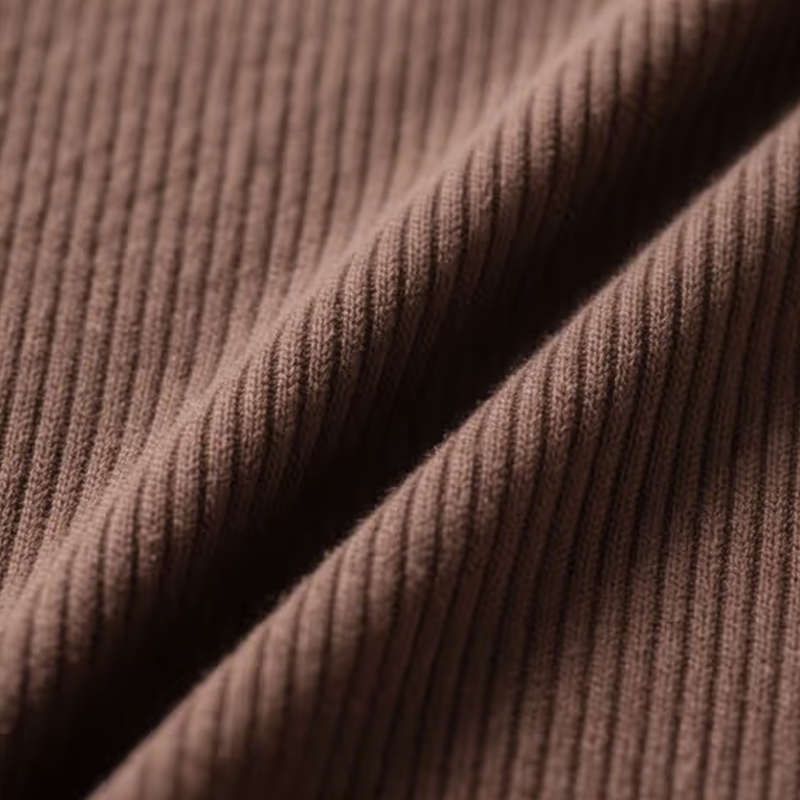 1×1 Ribbed Velvet Fabric with Soft StretchThis ribbed velvet provides a plush, elastic surface that retains warmth and fits closely, great for winter apparel like sweater collars and waistbands.View Product →
Whichever fabric you choose, the yardage principles in this article remain the same: size, width, allowance, and number of layers. When in doubt, order a little more than your calculation says. Extra fabric is never wasted — you can always make a matching pillowcase or a small lap blanket from the offcuts.
Frequently Asked Questions About Fleece Blanket Yardage
How many yards of fleece do I need for a baby blanket?
For a typical 30 by 40 inch baby blanket, one yard of 54-inch-wide fleece per layer is enough. For a two-layer no-sew blanket, you’ll need two yards total (or one yard in each fabric).
How much fabric do I need for a king-size fleece blanket?
For a king-size blanket (roughly 104 by 92 inches), you’ll usually need 4 yards per layer when using standard 54-inch-wide fleece, because the width must be pieced. If you can find extra-wide fleece (around 108 inches), you can skip the seam and use about 3 yards per layer instead.
How much extra fabric should I buy for a tie blanket?
The fringe itself consumes 2 to 4 inches on each side. For a simple two-layer tie blanket, add about 0.25 to 0.5 yard per layer compared to your base calculation. Rounding up to the nearest half yard is a safe approach.
So, how many yards of fleece for a blanket? For a standard adult throw, start with 2 yards per side (4 yards total); for a baby blanket, 1 yard per side is enough. Always check the usable width, account for fringe or seam allowance, and round up to be safe. We hope this guide helps you feel more confident before your next fabric purchase. If you’re ever sourcing yardage for a production run, our team at Yihan Textile is happy to help you choose the right width and finish — just reach out with your specifications.