English
 中文简体
Silk still feels like magic even after you know how it is made. For thousands of years, China kept the entire process hidden, and few people outside the country ever saw the full chain of work. That chain began with a caterpillar, fresh mulberry leaves, and an enormous amount of patience. Let's walk through how the Chinese made silk, step by step, from the first discovery to the finished bolt of luminous fabric.
- Grow mulberry trees and raise silkworms.
- Harvest the cocoons before the moths emerge.
- Steam or soak the cocoons to soften the natural gum.
- Reel the continuous filaments into a single thread.
- Twist, dye, and weave the thread into cloth.
The Legend of Leizu and the Birth of Sericulture
According to Chinese tradition, silk was discovered around 2700 BCE by Leizu, wife of the Yellow Emperor. The story says she was sitting under a mulberry tree when a silkworm cocoon fell into her cup of hot tea. As she lifted it out, the cocoon unraveled to reveal a long, delicate thread. Fascinated, Leizu studied the worms, learned how they spun their cocoons, and taught her people to raise and reel them.
The legend captures a genuine technical fact: heat and moisture soften the natural gum holding a cocoon together, which is exactly how silk filament is released. Archaeologists have found silk fragments in China dating back more than five thousand years, so the craft is as old as the imperial legend. Leizu is still honored in Chinese culture as the goddess of silk.
Growing Mulberry and Raising Silkworms
Every silk thread begins with the mulberry tree. Bombyx mori, the domesticated silkworm used in China, feeds almost exclusively on mulberry leaves, and those leaves must be fresh, clean, and tender. Farmers pruned their groves constantly, timing every harvest to the needs of the worms.
A silkworm begins as an egg no larger than a pinhead. In breeding houses, eggs were kept warm and protected until tiny black larvae hatched. The larvae then ate almost without stopping for about a month, molting four times as they grew. The worms were sensitive to cold, heat, humidity, smells, and sudden noise, and in traditional villages women usually managed this delicate daily care.
| Stage | Key events | Typical duration |
|---|---|---|
| Egg | Female moth lays several hundred eggs on prepared paper or cloth | 10-14 days |
| Larva | Eats mulberry leaves constantly and molts four times | 25-30 days |
| Cocoon spinning | Larva releases a continuous protein filament and wraps it around itself | 3-4 days |
| Pupa | Body transforms inside the protective cocoon | 10-14 days |
| Adult moth | Emerges by softening the cocoon; selected moths lay eggs | About one week |
When a mature larva stops feeding, it searches for a branch or bundle of straw, anchors itself, and begins to spin. Moving its head in a figure-eight pattern, it lays down a continuous silk filament that can run 300 to 900 meters. The filament consists of fibroin, the strong inner protein, and sericin, a gum-like coating that cements the cocoon together.
Harvesting, Steaming, and Reeling the Cocoon
Timing was everything. If the pupa matured into a moth, the moth would push through the cocoon and break the precious filament into short, much less valuable pieces. Workers therefore collected cocoons at the right moment and killed the pupa with steam or hot water; the heat also softened the sericin, making the filament easy to unwind.
Reeling was the true test of skill. The softened cocoon was brushed to find the loose end, which was guided onto a reel while the cocoon bobbed in hot water. Because a single filament is too fine, workers combined strands from five to eight cocoons at once, letting the sticky sericin bond them into one smooth thread. The result was a raw silk thread that was strong, even, and lustrous.
In ancient China, reeling was done by hand on simple wooden frames. Entire villages specialized in one stage: some raised worms, some reeled silk, and others spun or wove the yarn. This division of labor kept quality consistent for centuries.
Weaving, Dyeing, and Finishing
Raw silk needed preparation before weaving. The yarn was twisted to increase strength, a process sometimes called throwing, and washed to remove leftover sericin. Washing brightened the luster and softened the feel.
Chinese weavers used looms that grew more advanced over time. Early looms made plain weaves, while later draw-looms produced intricate patterns of clouds, dragons, phoenixes, and geometric borders directly in the cloth. The precision of these ancient patterns still impresses textile engineers today.
Dyes came from natural sources: indigo for blues, madder roots for reds, gardenia for yellow, and minerals for other shades. Dyers used alum and other mordants to fix the colors. Palace workshops kept the best silk for the emperor and court, enforcing strict standards on every batch. Silk also served as fish lines, bowstrings, musical strings, and even early paper, proof of its strength and versatility.
Guarding the Secret and the Rise of the Silk Road
For millennia, China treated sericulture as a state secret. Smuggling silkworm eggs or mulberry seeds was a serious crime, and the government kept tight control over everyone involved in silk making. This is why silk stayed a uniquely Chinese product for thousands of years.
Silk traveled along the caravan routes later named the Silk Road. Emperors exchanged bolts of silk for horses, jade, glass, and new ideas, and the fabric became one of the most valuable goods in the ancient world. The secret eventually spread westward, but the craftsmanship born in China remains the foundation of the global silk legacy.
Silk's Legacy in Modern Knitted Fabrics
The old silk tradition is not a closed chapter. It lives on in the textile mills around Shaoxing, where our factory sits. This region of eastern China has been known for silk and fine textiles for centuries, and the same instinct to make soft, smooth, comfortable cloth still drives the industry. When we produce knitted fabrics today, we are in a direct line with that history.
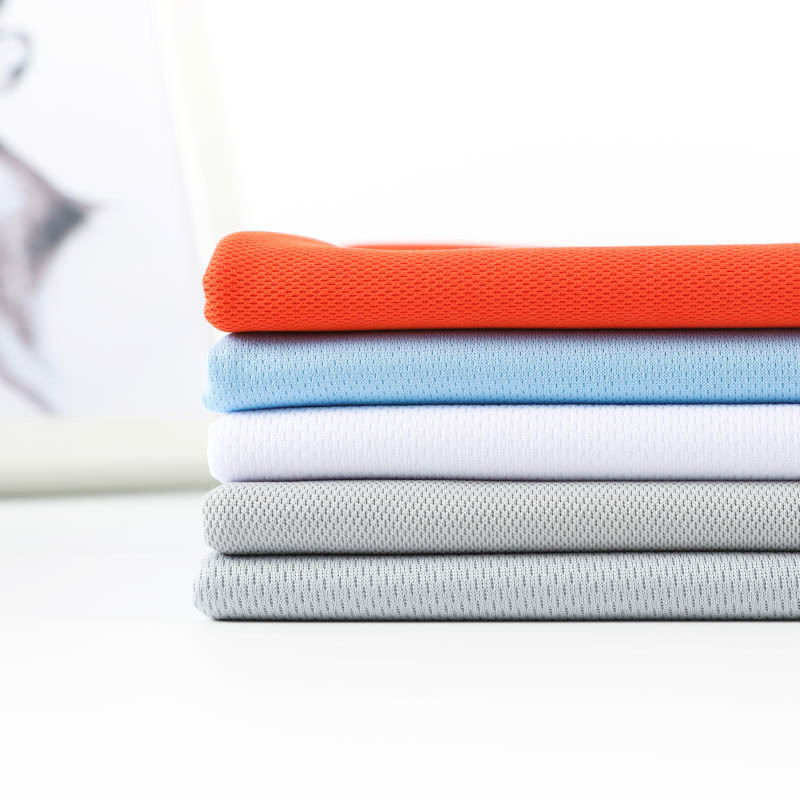
Modern garment makers rarely weave natural silk for everyday clothing. Instead, they choose knitted fabrics with a silk-like handfeel, known by names such as milk silk and ice silk. Ice silk, for example, is a smooth, cool-feeling polyester knit with the light luster and soft drape that made silk so beloved.
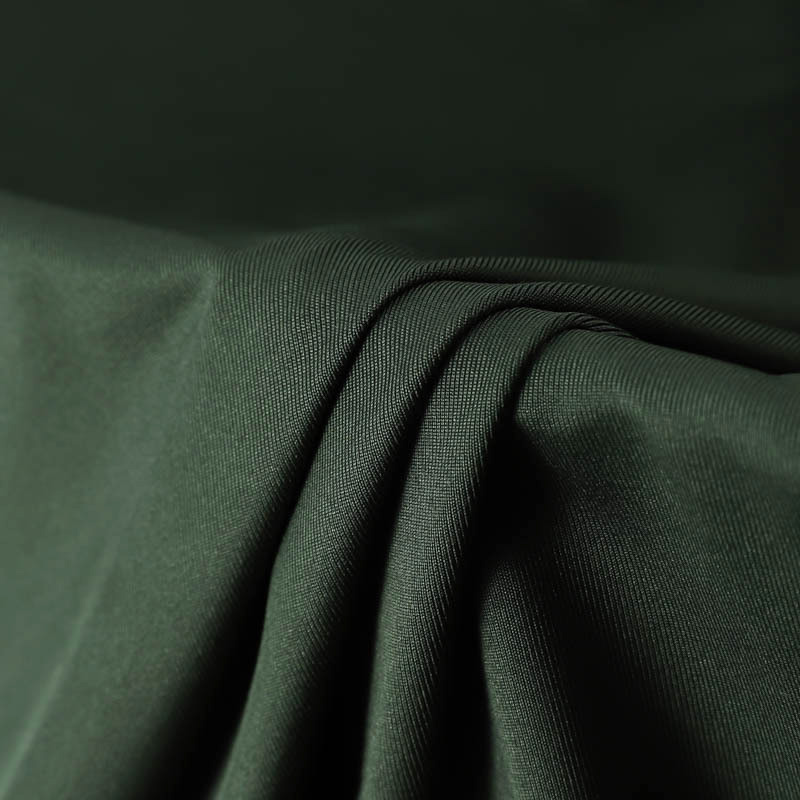
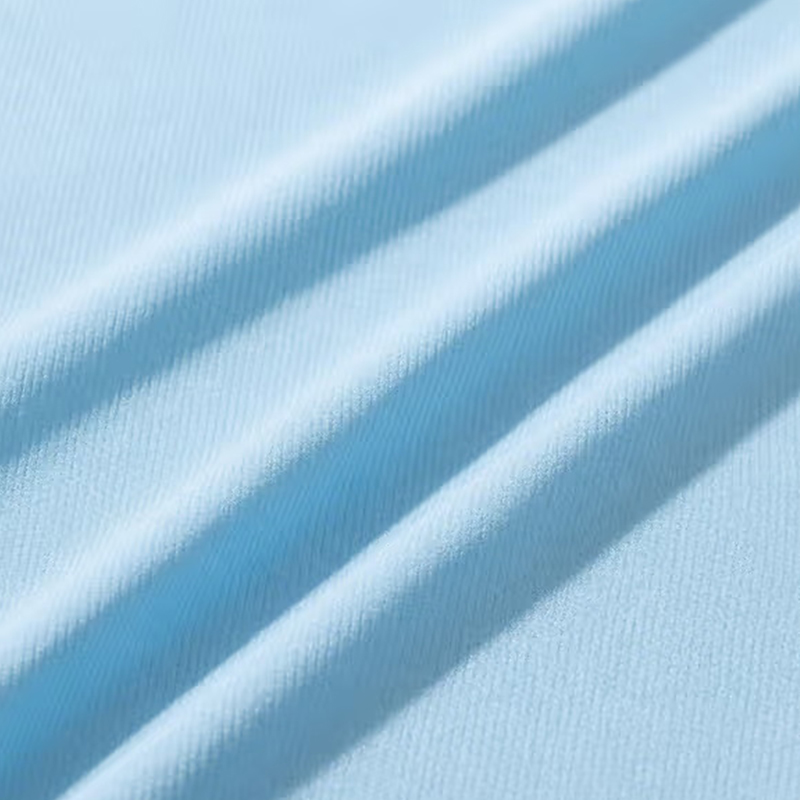 Ice Silk Plain Sunscreen Fabric for Outdoor WearThis breathable polyester knit offers a smooth, cool touch and effective UV blocking, ideal for shirts, hats, and travel clothing.View Product →
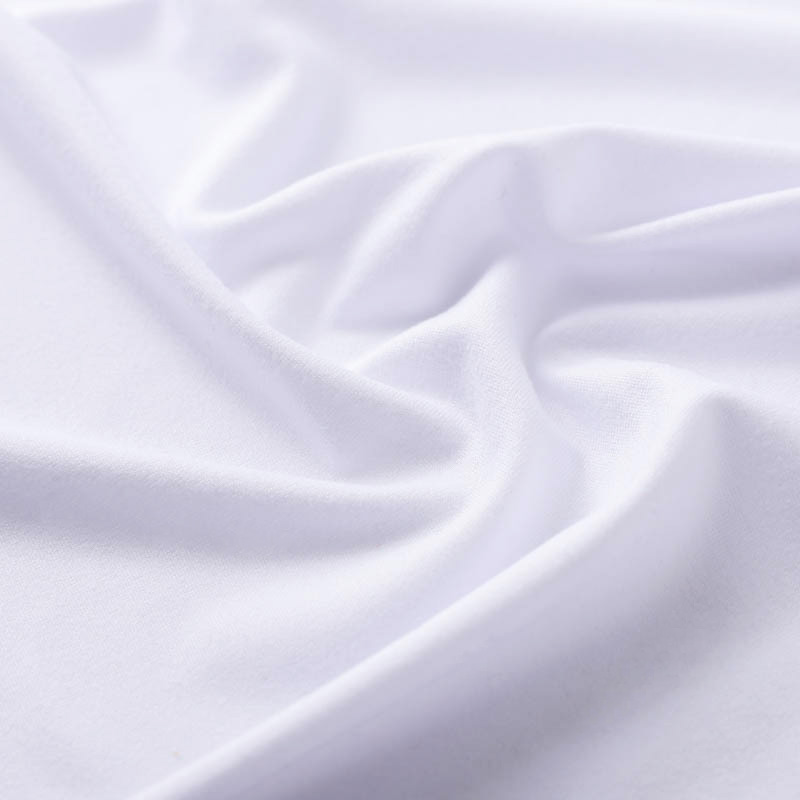
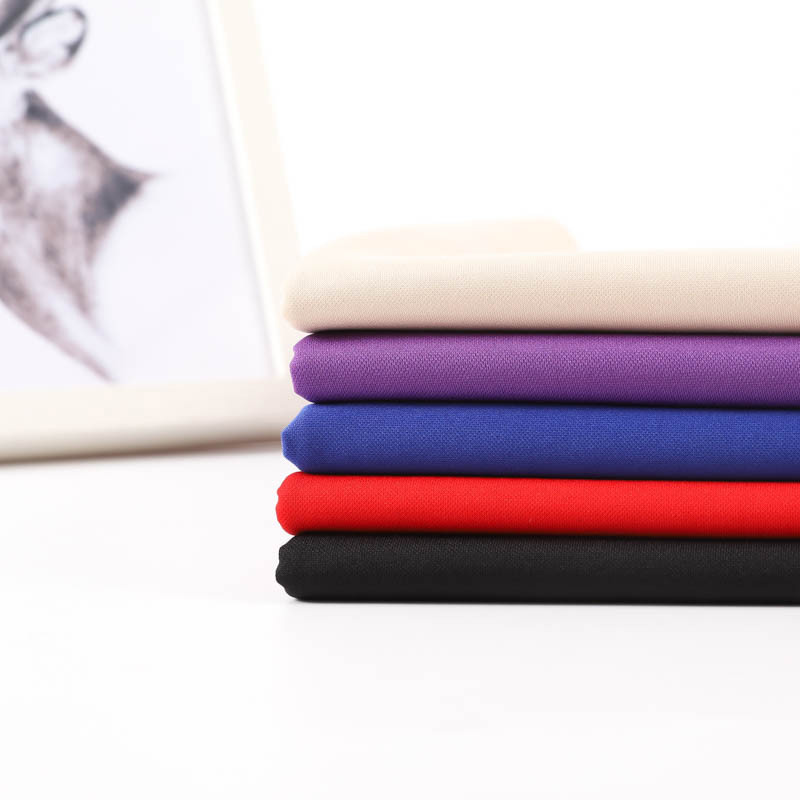
Milk silk is another silk-inspired category; it is not made from milk, but from fine synthetic yarns that feel gentle against the skin and resist pilling. We supply a 75D ammonia-free version for sensitive skin, keeping the smooth touch that gives it its name.
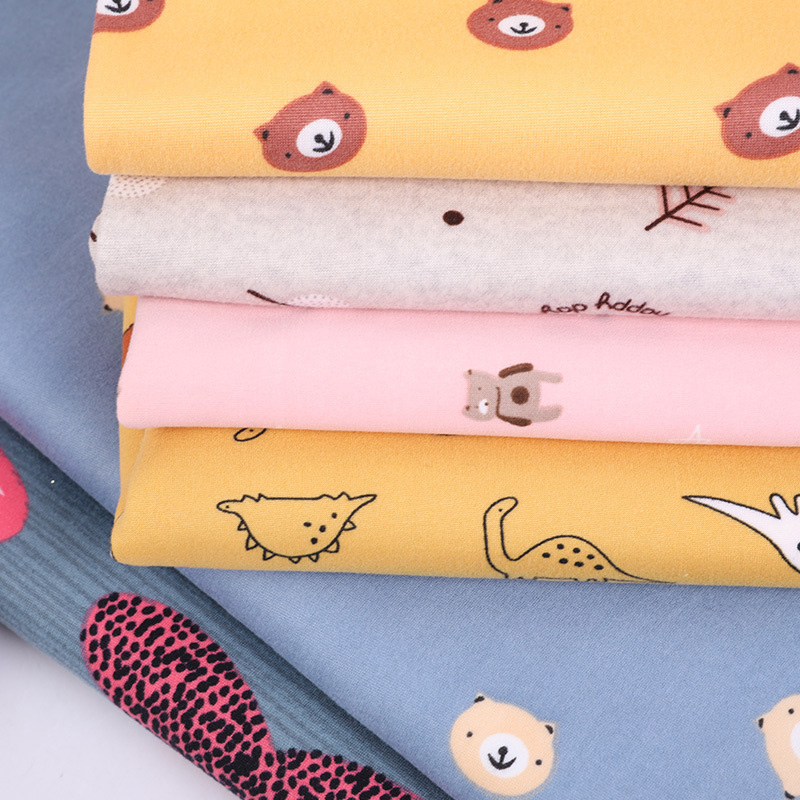 Ammonia-Free Milk Silk Fabric for Sensitive SkinA 75D synthetic knit that feels gentle, resists pilling, and wicks moisture quickly; suitable for shirts and T-shirts.View Product →
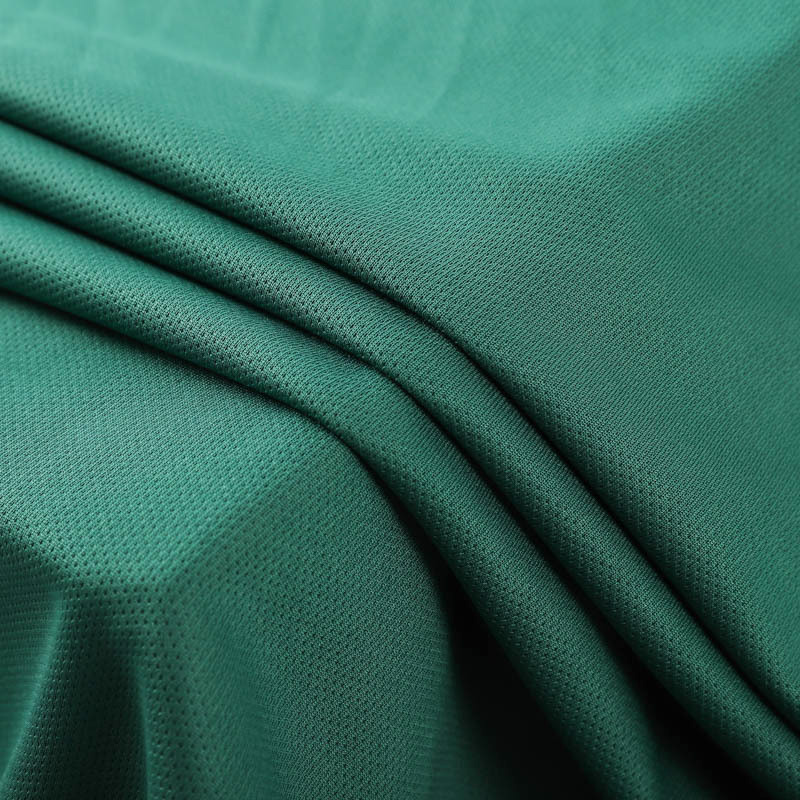
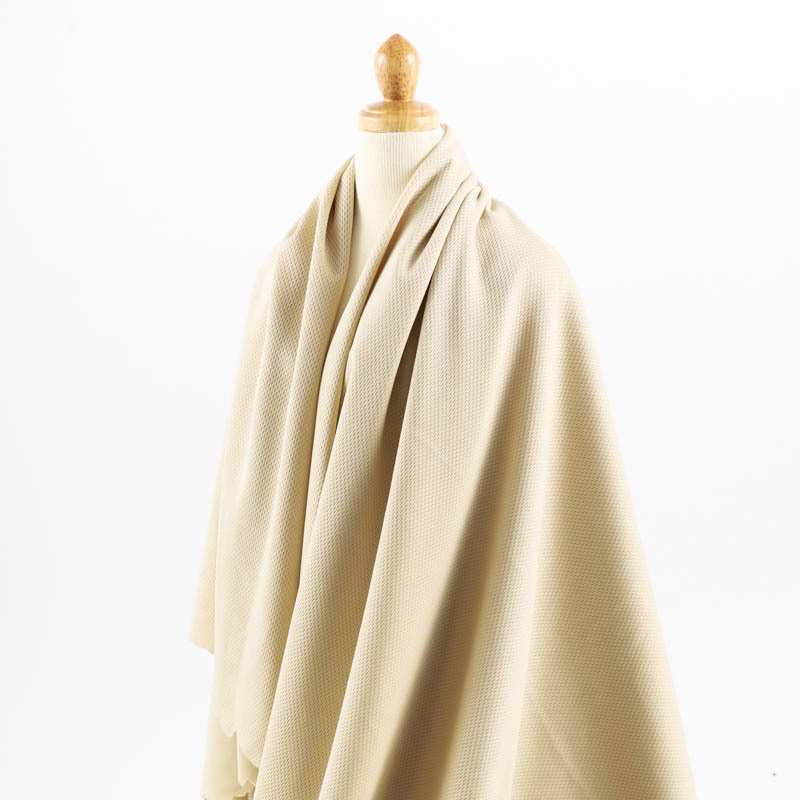
Air-layer fabrics also reinterpret silk in a modern way. A light internal structure between two knitted layers mimics silk's natural drape and airiness while adding stretch and insulation. Our hannan silk air-layer cloth, for example, carries the softness of the old name into a warm, elastic knit.
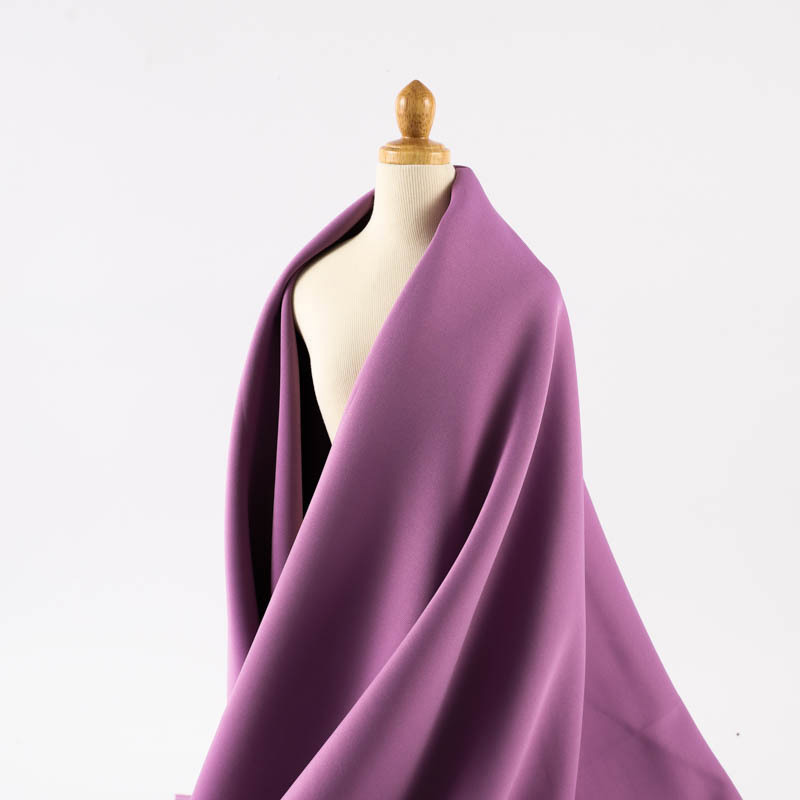 Hannan Silk Air-Layer Fabric for Active ClothingWith a light internal structure, this stretchy, warm knit mimics silk's drape and suits clothing, yoga, and school uniforms.View Product →
Silk's story also gives practical guidance for handling these modern materials, since silk-touch knits often need a lighter touch. If you plan to sew with them, our guide on how to sew with silk fabric, milk silk, and ice silk covers the details. And you can browse our current knitted fabric range to see what a modern Chinese mill produces. The material is no longer spun by silkworms, but the pursuit of beautiful, comfortable cloth connects us directly to the ancient craft that started it all.