English
  中文简体
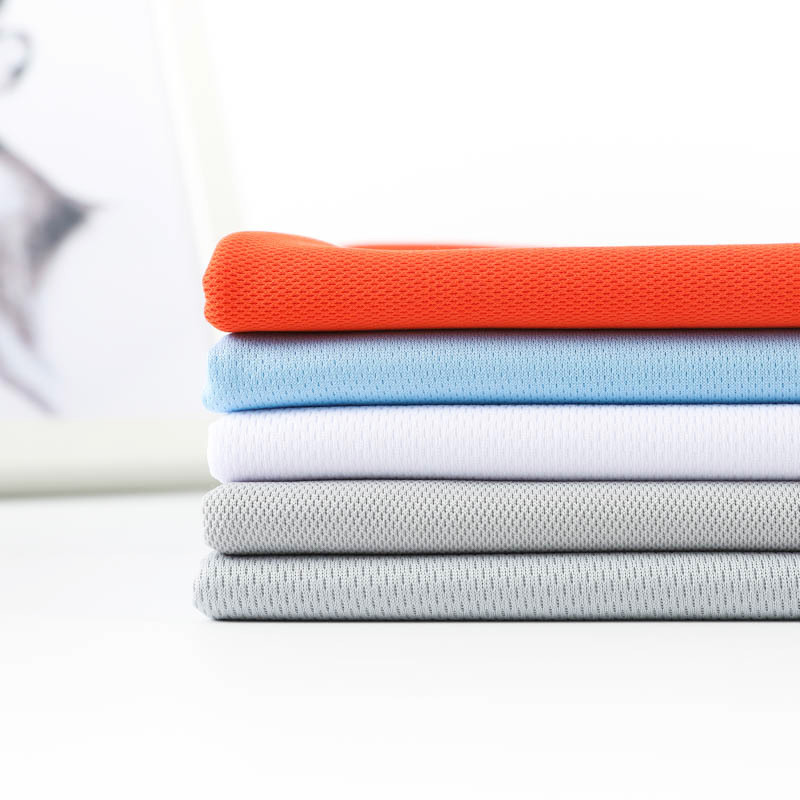
中文简体 Quick answer: mesh fabric is a textile built with a regular, engineered pattern of open holes between yarns, produced by either knitting or weaving the yarns into a grid rather than a solid, closed structure. That open grid is what gives mesh its defining traits — high breathability, light weight, and airflow — and it's why mesh shows up everywhere from sportswear and lingerie to window screens and industrial filters. What actually separates one mesh fabric from another isn't just "mesh vs. not mesh," but three specifics: how it's constructed (knit or woven, and which sub-type), how dense it is (measured in GSM, grams per square meter, and hole count per inch), and what fiber it's made from — and getting those three right is what determines whether a mesh fabric is suited to a given use, or the wrong choice entirely.
"Mesh fabric" gets used as a catch-all term for anything with visible holes, which makes it easy to assume all mesh behaves the same way. It doesn't. A stiff, run-resistant warp-knit tricot used in team jerseys and a soft, stretchy power mesh used in shapewear are both accurately called "mesh," but they're built differently, weigh differently, and serve almost opposite purposes. This guide breaks mesh fabric down by construction, density, and material so it's easier to identify what a specific mesh actually is — and choose the right one for a specific project.
What Is Mesh Fabric, Structurally?
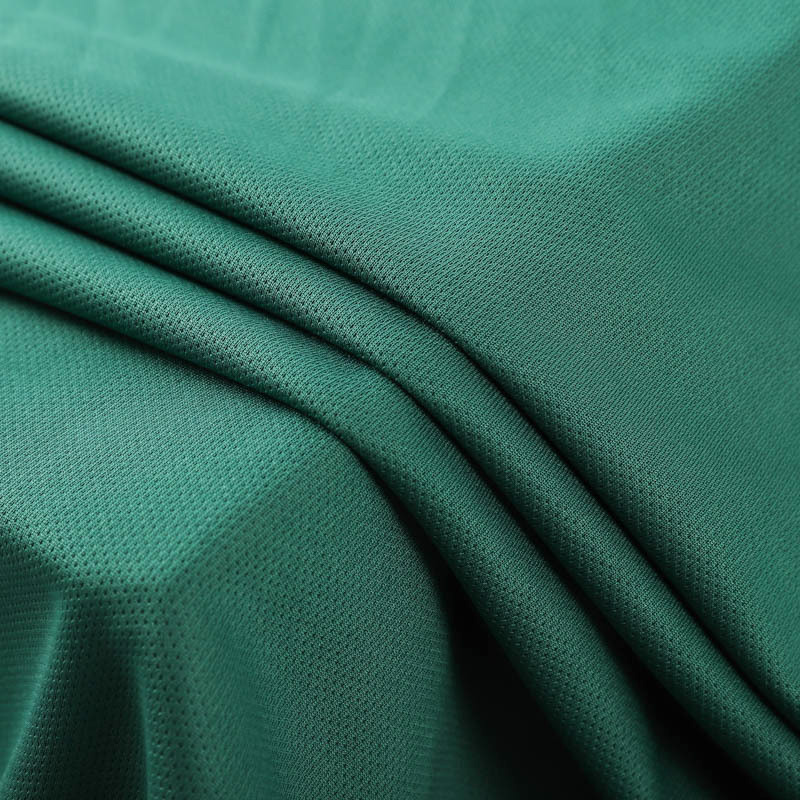
At its core, mesh fabric is defined by structure, not by any single fiber or industry. Three features consistently define it across every type:
- Open, regular grid pattern: Holes (often called openings, or measured as HPI — holes per linear inch) are engineered into the fabric deliberately, not a flaw or byproduct.
- Interconnected yarn structure: The yarns forming the grid are locked together through knitting or weaving, which is what keeps the holes a consistent size rather than shifting or distorting with use.
- High air and light permeability: The open structure is what gives mesh its breathability, and depending on hole size and yarn thickness, ranges from nearly sheer and see-through to a tighter, more opaque weave.
Mesh is most commonly made from polyester, nylon, or cotton, sometimes blended with spandex for stretch, and can also be produced from metal or plastic monofilament for industrial and structural applications like screening or filtration. The fiber choice affects feel and durability, but the open grid structure is what makes it "mesh" in the first place.
How Mesh Fabric Is Made: Knit vs. Woven Construction
This is the single most useful distinction for understanding why different mesh fabrics behave so differently. Knit mesh and woven mesh are built through fundamentally different processes, and each has its own sub-types.
Warp-Knit Mesh (Tricot)
Smooth, stable, and run-resistant — cut edges typically don't fray. Firm handle, holds its shape well. Common in team jerseys and structured apparel.
Warp-Knit Mesh (Raschel)
More open, textured, and often larger holes than tricot. Less stretchy unless elastic yarn is added, but very durable. Used in scrimmage vests, bags, decorative overlays.
Weft-Knit Mesh (Circular Knit)
Softer drape, more flexible than warp-knit. Common in athletic wear and linings where movement and comfort matter more than rigid structure.
Woven Mesh (Plain / Leno)
Yarns cross over/under in a fixed grid; leno weave twists warp yarns for extra hole stability. Used in window screens, mosquito nets, filtration, geotextiles.
Why the Construction Method Matters in Practice
Knit mesh generally offers more stretch and recovery, softer hand-feel, and no-fray raw edges — practical advantages for garments where seams need to stay thin and flexible. Woven mesh, particularly leno weave, is prized where dimensional stability matters more than stretch: the twisted-yarn structure resists yarn slippage, which keeps hole size and shape consistent even under repeated tension, making it a common choice for technical and industrial applications like geotextiles and medical mesh rather than stretch apparel.
If a project needs edges that won't fray without binding — overlay panels, raw-edge seam allowances — a warp-knit tricot or raschel mesh is the more forgiving choice over a woven mesh, which typically does require a finished edge to prevent unraveling.
Mesh Fabric Density: Reading GSM and Hole Count
Beyond construction, the two numbers that matter most for choosing a mesh fabric are GSM (grams per square meter — a direct measure of weight and density) and HPI (holes per linear inch — a measure of how open or fine the grid is). Higher GSM generally means a heavier, denser, more supportive fabric; higher HPI generally means finer holes and better airflow, though the two don't always move together.
| Mesh Type | Typical GSM | Typical Use |
|---|---|---|
| 1x1 mesh | 80 – 150 | Garment lining, light reinforcement |
| 2x2 mesh | 100 – 200 | Sportswear, breathable fashion fabrics |
| Power mesh (powernet) | 130 – 200 | Shapewear, compression leggings, sports bra lining |
| Tricot mesh | 120 – 250 | Team jerseys, structured athletic apparel |
| Knit air mesh | 150 – 300 | Sports shoes, performance wear paneling |
As a practical rule: lower-GSM mesh (roughly under 150) suits linings, warm-weather apparel, and anywhere airflow matters more than structure; mid-range GSM (150–250) balances breathability with enough body to hold shape in garments like jerseys; and higher-GSM mesh (250+) moves into structural or supportive territory — compression wear, bag reinforcement, or non-apparel technical uses.
Choosing a Fiber: Polyester, Nylon, and Cotton Mesh Compared
Fiber choice shapes feel, durability, and care requirements independently of construction and density. The three most common options each have distinct trade-offs.
| Fiber | Key Traits | Common Applications |
|---|---|---|
| Polyester mesh | Lightweight, strong moisture-wicking, quick-drying, holds color well | Sportswear, athletic jerseys, most mass-market mesh apparel |
| Nylon mesh | More stretch than polyester, generally more durable, silkier hand-feel | Lingerie, beekeeping veils, technical apparel |
| Cotton mesh | Breathable, natural fiber, less durable and slower-drying than synthetics | Produce bags, reusable packaging, lightweight home textiles |
For high-performance or moisture-heavy use — activewear, swimwear linings, outdoor gear — synthetic polyester or nylon mesh is generally the more practical choice given its quick-drying and durability advantages. For applications prioritizing a natural fiber or a softer, more breathable feel where mechanical stress is lower, cotton mesh remains a reasonable and increasingly popular option, particularly for sustainable packaging and home goods.
Matching Mesh Fabric to Its Application
- Apparel and sportswear: Prioritize construction type first — knit mesh (tricot, raschel, or circular) for stretch, comfort, and no-fray edges — then select GSM based on whether the piece needs structure (jerseys, higher GSM) or airflow (linings, lower GSM).
- Shapewear and compression garments: Power mesh with a meaningful spandex percentage is purpose-built for this; a low-stretch woven mesh won't perform the same supportive function regardless of GSM.
- Window screens, filtration, and industrial use: Woven mesh, especially leno weave, offers the dimensional stability and consistent hole size these applications need, since shifting holes would undermine the fabric's core function.
- Bags, packaging, and produce mesh: Lightweight cotton or polypropylene mesh in a lower GSM range balances cost, breathability, and adequate strength for light-duty carrying.
- Fashion and decorative overlays: Finer, higher-HPI mesh (smaller, less visible holes) in nylon or polyester tends to give the softer, more elegant drape typically wanted for eveningwear and sheer fashion panels.
Final Takeaway
Mesh fabric is defined by its engineered open-grid structure, but the practical differences that matter — stretch, durability, breathability, and suitability for a specific use — come down to how it's constructed (knit or woven, and which sub-type), how dense it is (GSM and hole count), and what fiber it's made from. Rather than treating "mesh" as a single material, checking these three specifications against the intended use is what actually determines whether a chosen mesh fabric performs the way it's expected to.