English
  中文简体
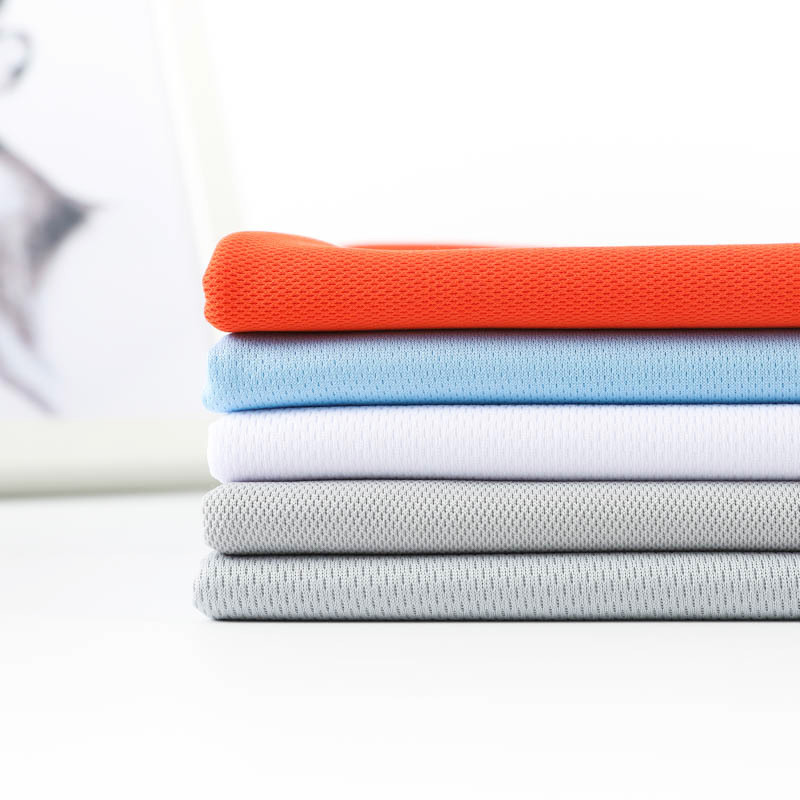
中文简体 Single jacquard fabric is a patterned knit made on a single needle bed, where the design is created by selectively knitting different colored yarns into the face while the unused yarns "float" across the back rather than being knitted in. That single-bed construction is what makes it lighter, more affordable, and more stretchable than its double jacquard counterpart.
Typical single jacquard weight runs 80–180 gsm, positioning it for garments that need movement and breathability — t-shirts, dresses, activewear, and lightweight fashion knits — rather than structured outerwear. If a project needs a reversible fabric with no visible floats on the back, double jacquard is the correct specification instead; if it needs drape, stretch, and cost efficiency at scale, single jacquard is the right call.
How Single Jacquard Fabric Is Constructed
Jacquard is a knitting technique, not a fiber, which is why single jacquard can be produced in cotton, polyester, viscose, wool, or blended yarns. What defines it is the machine mechanism: computerized needle selection allows individual needles to be knitted, tucked, or missed on command, letting a pattern be built directly into the fabric structure rather than printed or embroidered afterward.
| Element | What it does |
|---|---|
| Single needle bed | All loops are formed on one bed, producing a single layer of fabric |
| Needle selection | Computerized control chooses which needles knit each color, building the pattern into the face |
| Face yarn | The color actively knitted at any given point becomes visible on the technical face |
| Float yarn | Colors not in use at that point are carried, or "floated," across the technical back rather than knitted in |
Those floats are the single most identifiable trait of single jacquard: flip the fabric over and the unused yarns are visibly carried across the back rather than forming a second, complete pattern. That's a direct trade-off for using fewer yarn layers — and it's exactly what keeps single jacquard lighter and less expensive than a double-bed construction.
Single Jacquard vs. Double Jacquard: The Real Trade-Offs
Ferrule count decides pressure rating in a pipe fitting; needle-bed count decides weight, stretch, and reversibility in jacquard. Neither construction is universally superior — each is correct for a different end use.
| Factor | Single jacquard | Double jacquard |
|---|---|---|
| Construction | One needle bed, one fabric layer | Two needle beds, two layers interlocked together |
| Weight range | Roughly 80–180 gsm | Noticeably heavier — more yarn used per square meter |
| Back appearance | Visible floats where unused colors are carried | Clean, fully knitted technical back — often a distinct pattern of its own |
| Reversibility | No — one clear technical face and back | Yes — both sides are usable, sometimes in different patterns |
| Stretch | Higher — single-bed construction retains natural knit elasticity | Lower — added layer reduces give, though it improves structure |
| Cost | Lower — fewer yarn layers and simpler machine setup | Higher — more yarn and a more complex knitting process |
| Typical end use | T-shirts, dresses, activewear, lightweight fashion knitwear | Sweaters, structured outerwear, reversible garments |
Which Construction Fits Your Order
Single jacquard fits when…
- The garment needs to move — activewear, fitted dresses, everyday tees
- Breathability and a lighter hand-feel matter more than back-side finish
- Production budget needs to stay lean across a large cutting order
- Only one face of the fabric will ever be visible in the finished garment
Double jacquard fits when…
- The design calls for a reversible piece — unlined jackets, scarves, wraps
- Structure and warmth matter more than stretch, as in sweaters or coats
- A clean technical back with no visible floats is a hard requirement
- Budget allows for the added yarn and machine time of a two-bed process
Performance Characteristics Buyers Should Specify
Beyond weight and construction, three properties determine whether a single jacquard fabric performs the way a garment brief expects — and all three should be confirmed at the sampling stage, not assumed from the fabric name alone.
- Fiber composition: single jacquard can be knitted in cotton, polyester, viscose, wool, or blends, and fiber choice — not the jacquard structure itself — is what primarily drives hand-feel, drape, and moisture behavior.
- Stretch fibers: adding spandex, lycra, or elastane to the yarn mix produces a stretch jacquard, suited to body-hugging and fitted silhouettes without losing the pattern definition.
- Colorway complexity: pattern range typically spans one to four yarn colors per repeat; more colors increase machine complexity and cost but allow more intricate, all-over designs.
- Machine gauge: gauge selection (commonly in the 18–28 needles-per-inch range for jacquard-capable machines) affects both achievable pattern fineness and finished fabric density.
On the float-back trait: long floats on the technical back aren't a defect — they're inherent to single-bed jacquard construction. For garments where the reverse might show, such as unlined vests or open cardigans, a satin-style jacquard with tighter, shorter floats or a switch to double jacquard resolves the concern without giving up the pattern.
Sourcing Checklist Before You Confirm an Order
Because single jacquard performance varies so much by yarn and machine setup, a fabric name alone isn't a full specification. Confirm the following before bulk production begins.
- Confirm target GSM in writing — single jacquard's 80–180 gsm range is wide enough to change drape and opacity significantly
- Request a physical swatch showing both face and technical back before bulk cutting
- Specify fiber composition and any stretch content (spandex/lycra percentage) needed for fit
- Confirm machine gauge and colorway count match the pattern complexity in the design file
- Ask whether the float length has been tested against snag risk for the garment's end use
- Verify minimum order quantity and lead time align with sampling and bulk production timelines
Sourcing Single Jacquard and Related Fabric Constructions
Matching needle-bed construction, GSM, and fiber blend to the garment's real end use is what keeps a fabric program on budget and on brief. Beyond single jacquard, the same selection logic applies across a full range of knit and woven bases.