English
  中文简体
中文简体 In today’s apparel market, consumers expect more from their clothing than ever before. Beyond basic functionality, garments are now expected to provide comfort, durability, and visual appeal at the same time. Whether shopping for casual wear, office outfits, sportswear, or seasonal fashion, customers pay close attention to how a piece of clothing feels and how it looks.
As a result, fabric selection has become one of the most important steps in garment design and manufacturing. Among various textile options available today, Style Fabric has gained steady attention for its balanced combination of comfort, appearance, and practical performance. By blending thoughtful design with reliable material properties, Style Fabric helps brands create clothing that meets both everyday needs and modern fashion trends.
From small fashion labels to large apparel manufacturers, many companies are now integrating Style Fabric into their collections to improve product quality and customer satisfaction.
The Growing Importance of Fabric Choice in Apparel
Clothing begins with fabric. The texture, weight, stretch, and breathability of a material directly affect how a garment performs throughout the day. Even the best design or tailoring cannot compensate for uncomfortable or poorly constructed fabric.
Consumers today are also more informed. They look for garments that feel soft on the skin, allow airflow, and maintain their shape after repeated washing. At the same time, they want stylish colors, clean finishes, and attractive patterns that match current trends.
This combination of comfort and visual value has encouraged the development of materials like Style Fabric, which focuses on both performance and design. Instead of choosing between function and appearance, brands can achieve both in one solution.
What Is Style Fabric?
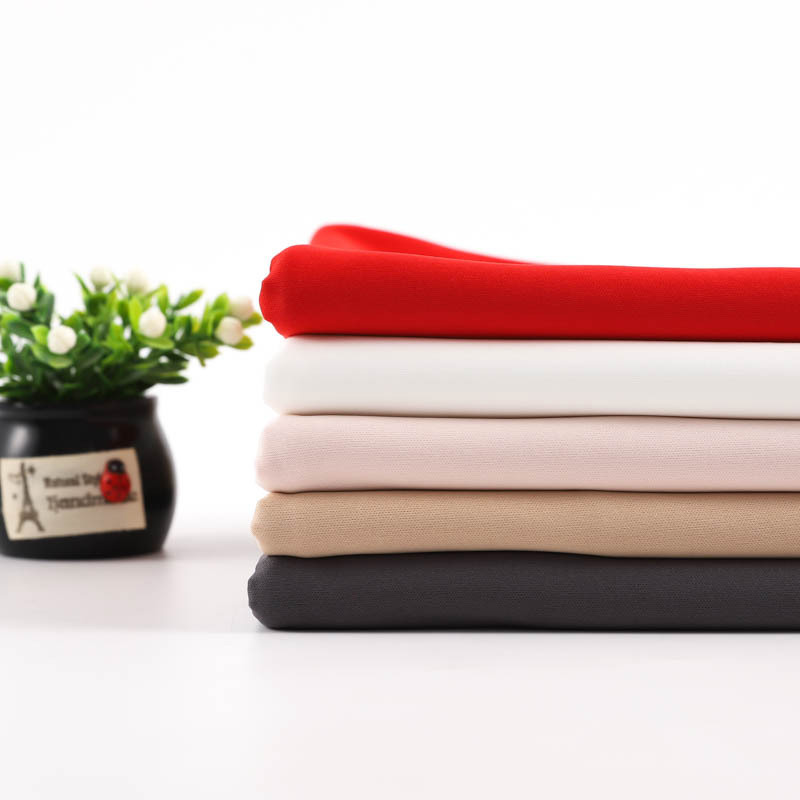
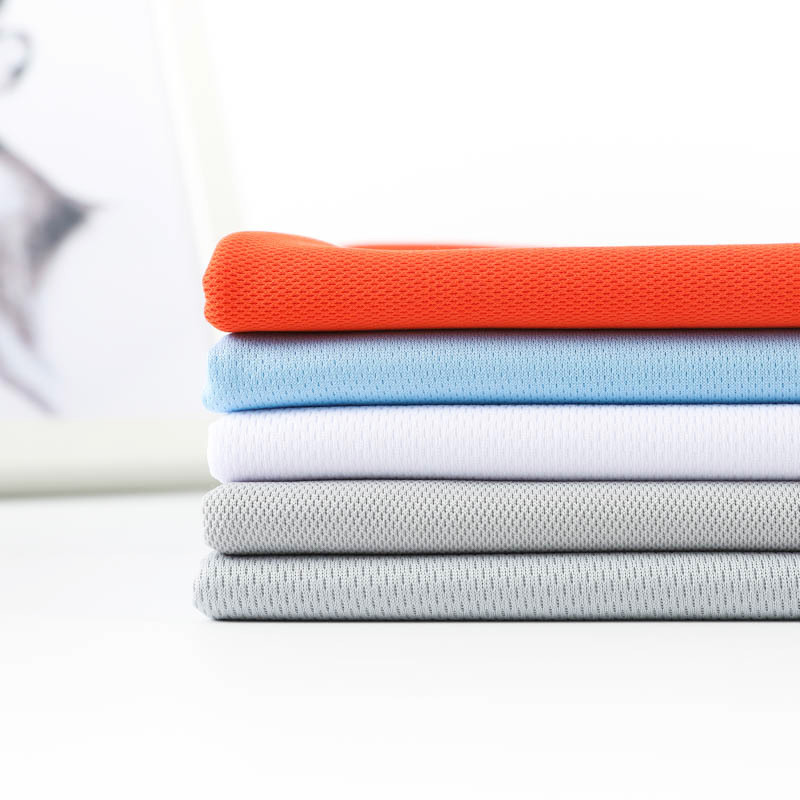
Style Fabric refers to textile materials that are designed with both aesthetic qualities and wearing comfort in mind. These fabrics may be made from cotton, polyester, blends, or other fibers, and are often developed using modern weaving, knitting, or finishing techniques.
Unlike basic materials that only focus on durability or cost, Style Fabric places equal importance on:
-
Soft and comfortable touch
-
Attractive texture or pattern
-
Breathability and flexibility
-
Easy care and long-term use
-
Versatile design options
Because of these features, Style Fabric is suitable for a wide range of clothing categories, including casual wear, fashion apparel, uniforms, and lifestyle garments.
Enhancing Everyday Comfort
Comfort remains one of the main reasons customers choose certain clothing items over others. If a garment feels heavy, stiff, or irritating, it is unlikely to be worn often. Style Fabric addresses this issue by improving how clothing feels during daily use.
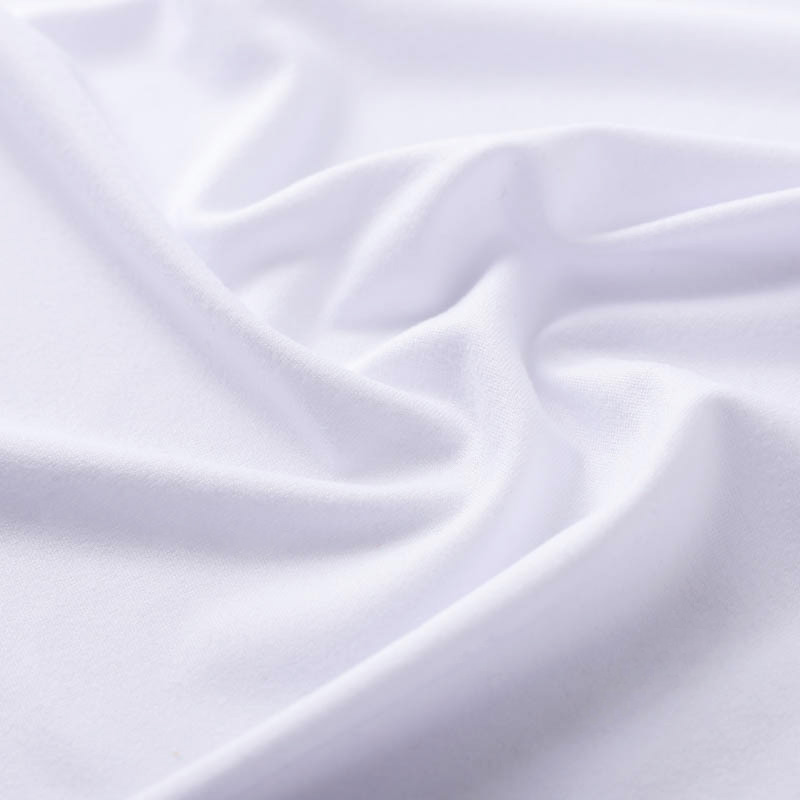
Many Style Fabric materials are designed with soft fibers or special finishing processes that create a smooth surface. This reduces friction against the skin and provides a pleasant wearing experience. Lightweight constructions also help garments feel less restrictive, which is especially important for long hours of wear.
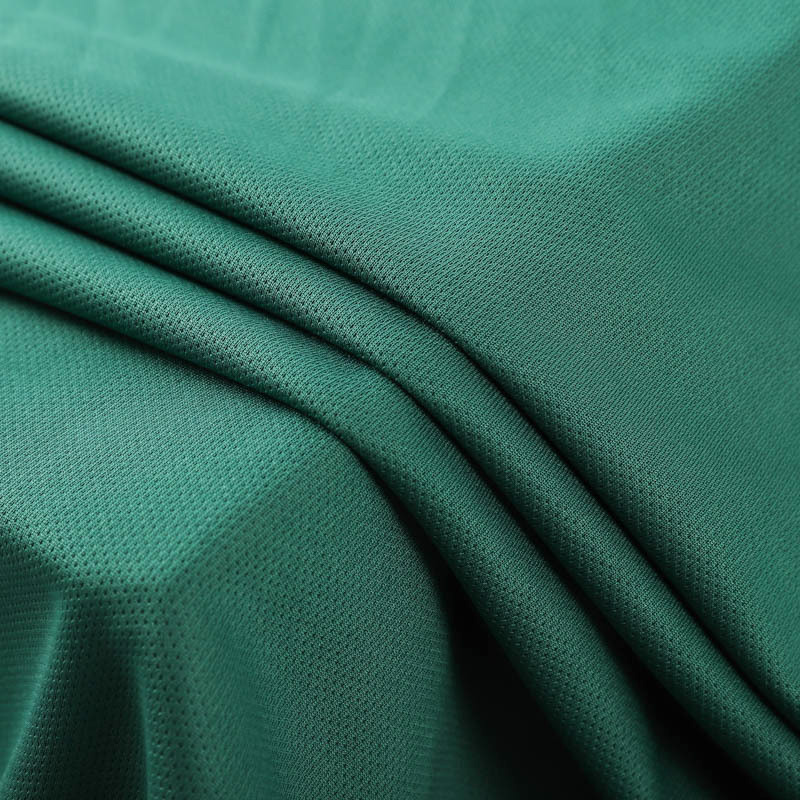
Breathability is another key factor. Style Fabric often allows air to circulate more easily, helping regulate body temperature. In warm weather, this keeps the wearer cooler. In cooler conditions, proper airflow helps maintain comfort without trapping excess moisture.
Stretch and flexibility are also common features. Fabrics with a slight stretch adapt better to body movements, making them suitable for active lifestyles. Whether walking, working, or traveling, clothing made with Style Fabric supports natural movement.
Improving Visual Appeal and Design
In addition to comfort, appearance plays a major role in clothing choices. Fabric is the foundation of a garment’s overall look. Texture, drape, and color all influence how a finished piece is perceived.
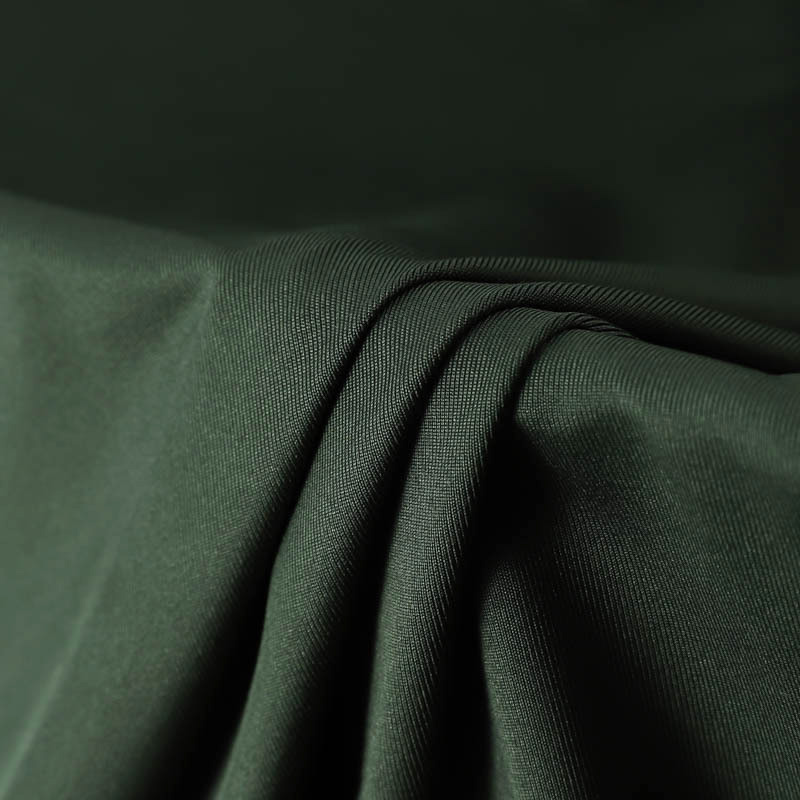
Style Fabric helps designers create visually appealing clothing through a variety of options. Modern weaving and knitting techniques allow for unique textures, subtle patterns, and layered effects. These details add depth and character to garments without complicating the design.
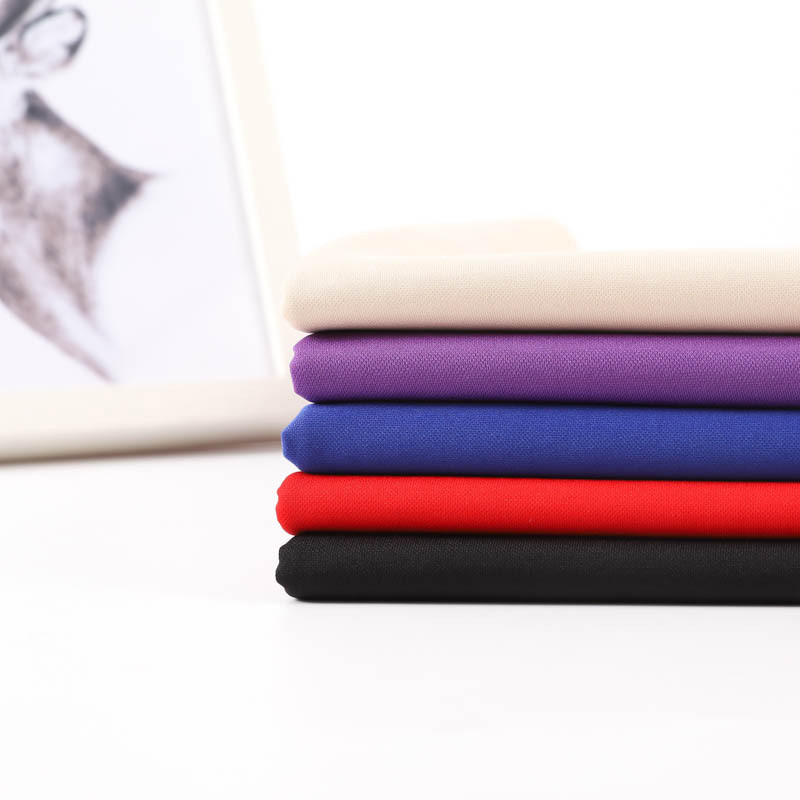
Color performance is another advantage. Many Style Fabric types accept dyes evenly, resulting in clear and consistent shades. This helps brands maintain high standards across different production batches. Bright colors, soft tones, and fashionable prints can all be achieved with reliable results.
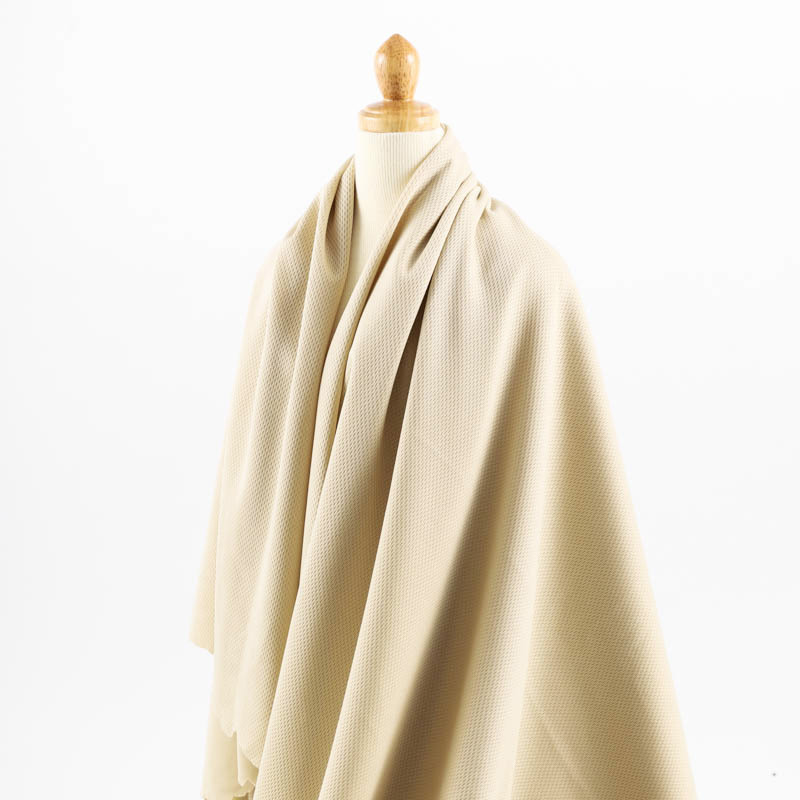
The way fabric drapes also affects how clothing looks when worn. Style Fabric often has a balanced structure that allows garments to hang naturally and maintain their shape. This creates a neat and polished appearance that customers appreciate.
Supporting Versatile Applications
One reason Style Fabric continues to gain popularity is its versatility. It can be used across many types of clothing and markets, making it a practical choice for manufacturers.
For casual wear, Style Fabric provides the softness and breathability needed for everyday comfort. T-shirts, shirts, dresses, and light jackets benefit from these qualities.
For workwear or uniforms, durability and easy maintenance are important. Many Style Fabric options are designed to resist wrinkles and maintain their structure after repeated washing. This helps garments look presentable for longer periods.
In sportswear and activewear, lightweight and flexible materials support movement. Style Fabric can be engineered to include stretch properties and moisture management, which improve performance during physical activities.
Because one type of fabric can serve multiple purposes, brands can simplify sourcing and production while still offering diverse product lines.
Easy Care and Long-Term Value
Today’s consumers prefer clothing that is easy to care for. Complex washing instructions or materials that lose shape quickly can lead to dissatisfaction. Style Fabric addresses these concerns by focusing on durability and low maintenance.
Many Style Fabric materials are designed to resist shrinking, fading, and wrinkling. This helps garments maintain their original look after many wash cycles. Easy-care properties save time for consumers and add practical value to the product.
For manufacturers and retailers, long-lasting garments also mean fewer returns or complaints. Reliable fabric performance supports customer trust and repeat purchases.
This balance between quality and convenience makes Style Fabric an attractive option for both brands and buyers.
Meeting Sustainable Expectations
Sustainability has become an important topic in the textile and fashion industries. Many consumers are now interested in products that use resources responsibly and reduce environmental impact.
Style Fabric can support these goals when produced with eco-friendly materials or processes. For example, some manufacturers use recycled fibers, organic cotton, or water-saving dyeing methods. These approaches help lower the environmental footprint while maintaining comfort and appearance.
By incorporating responsible practices into Style Fabric production, companies can meet customer expectations and contribute to a more sustainable industry.
Clear communication about material choices also helps build transparency and brand credibility.
Benefits for Brands and Manufacturers
For clothing brands, selecting the right fabric affects both product quality and business performance. Style Fabric offers several advantages that support long-term growth.
First, it helps create garments that customers enjoy wearing, which increases satisfaction and loyalty. Second, the wide range of design options allows brands to develop collections that match current fashion trends. Third, reliable performance reduces production issues and improves consistency.
In addition, Style Fabric can be customized to meet specific requirements, such as weight, texture, or color. This flexibility allows manufacturers to differentiate their products in a competitive market.
By combining function, style, and practicality, Style Fabric supports both creative design and efficient production.
Market Outlook for Style Fabric
As fashion trends continue to evolve, the demand for comfortable and visually appealing clothing is expected to remain strong. Consumers are looking for garments that fit their lifestyles, whether for work, leisure, or travel.
Style Fabric fits well into this trend because it addresses multiple needs at once. It provides comfort for daily wear, attractive design options for fashion appeal, and durability for long-term use.
Textile producers are also investing in new technologies to further improve fabric performance. Advances in fiber blends, finishing methods, and sustainable materials are likely to expand the possibilities of Style Fabric even further.
With these developments, Style Fabric is set to remain an important part of the modern apparel supply chain.