English
  中文简体
中文简体 In recent years, the fashion industry has witnessed a growing demand for sustainable fabrics that combine environmental consciousness with high performance. Among these innovative materials, milk silk fabric stands out as an exciting development. Derived from casein, a protein found in milk, this fabric has quickly captured the attention of designers, manufacturers, and eco-conscious consumers alike. With its unique blend of softness, durability, and environmental benefits, milk silk fabric is rapidly becoming a popular choice in both luxury and everyday fashion.
What Is Milk Silk Fabric?
Milk silk fabric is a type of biodegradable textile made from casein, a protein found in milk. The process of creating milk silk fabric begins with extracting the casein from milk, which is then processed into fibers and woven into fabric. This process can be done using both synthetic and natural methods, depending on the manufacturer’s approach, but the result is a material that is soft, smooth, and gentle to the touch—similar to silk, but with the added benefits of sustainability.
Milk silk fabric is often compared to other natural fabrics like silk, but with a significant advantage: it is more eco-friendly. While traditional silk production can be resource-intensive, milk silk is made from a renewable resource and can be produced with less environmental impact.
The Key Benefits of Milk Silk Fabric
Eco-Friendly and Sustainable
One of the most significant advantages of milk silk fabric is its environmental friendliness. Unlike synthetic fibers like polyester, which are derived from petrochemicals and contribute to pollution, milk silk is made from a renewable resource—milk protein. The production process is also less harmful to the environment compared to traditional silk farming, which requires large amounts of water, chemicals, and energy.
Furthermore, milk silk is biodegradable, meaning that it breaks down naturally over time, reducing its environmental impact after disposal. As more consumers and manufacturers embrace sustainability, milk silk fabric presents a viable alternative for those seeking eco-friendly options in their wardrobe.
Soft and Luxurious Feel
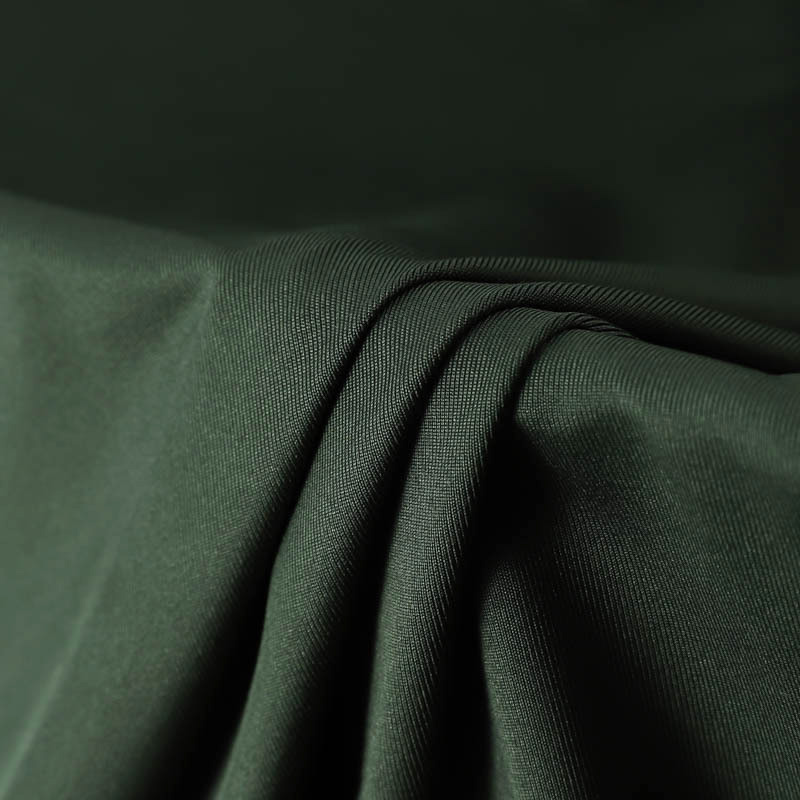
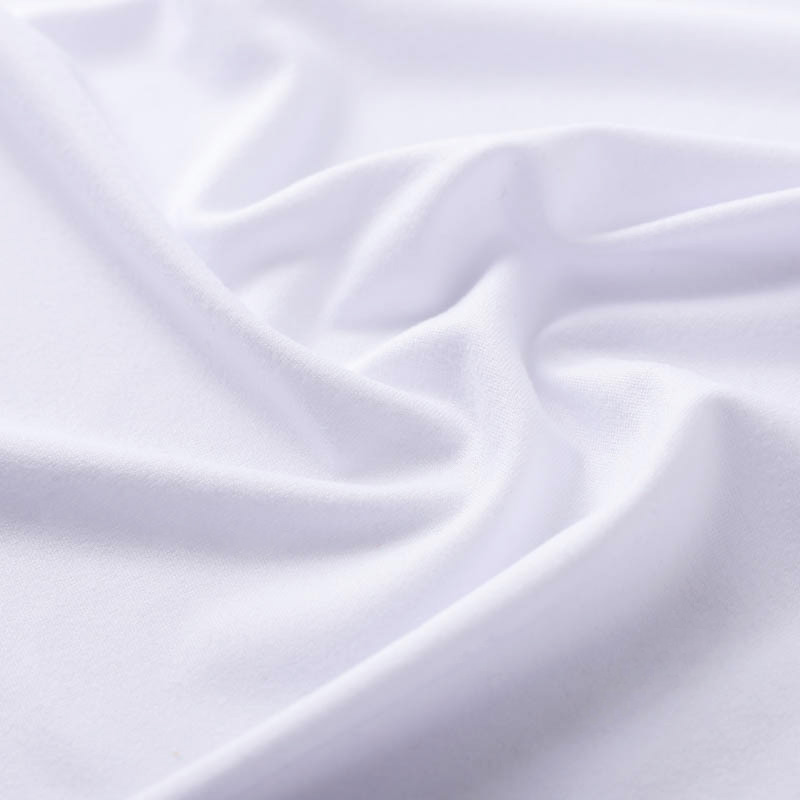
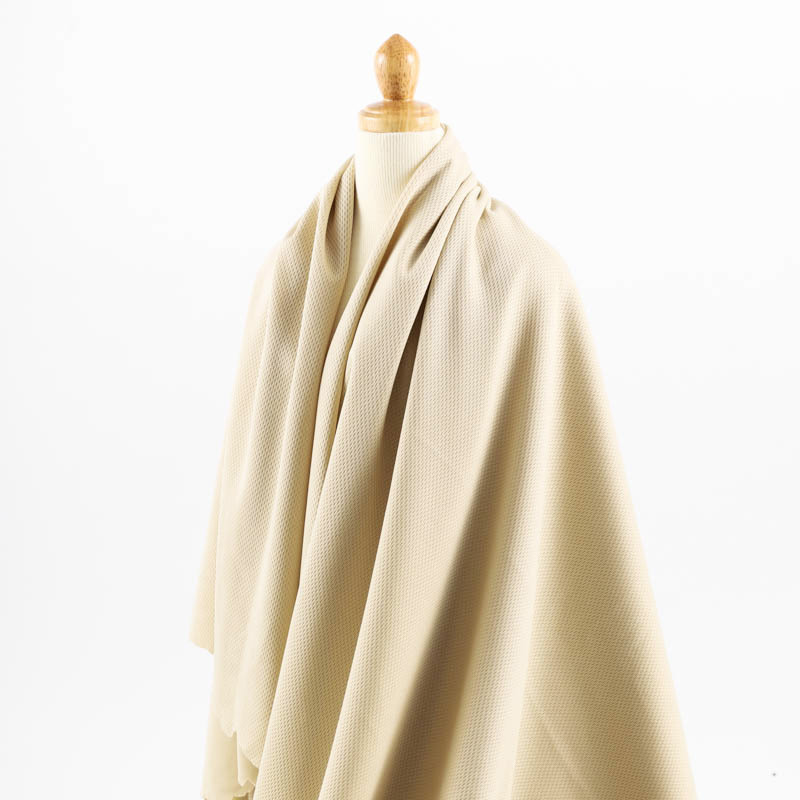
Milk silk fabric is known for its exceptional softness, making it a luxurious choice for clothing and accessories. The texture of milk silk closely resembles traditional silk, with a smooth and silky finish that feels soft against the skin. This makes it a popular option for garments like dresses, blouses, scarves, and lingerie, where comfort and tactile appeal are paramount.
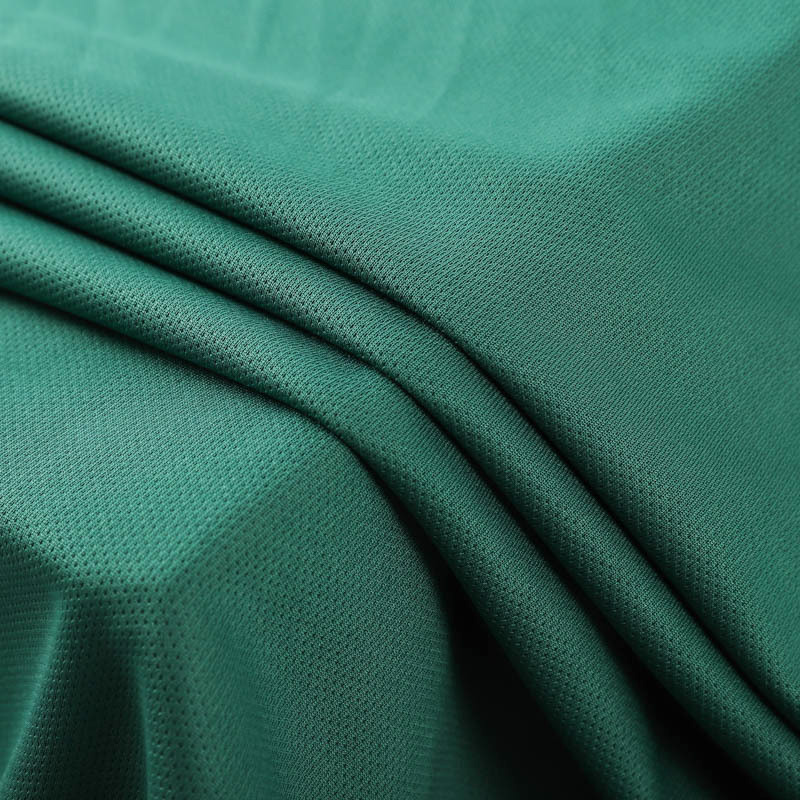
In addition to being soft, milk silk fabric is also breathable and moisture-wicking, ensuring comfort throughout the day. The fabric's ability to regulate temperature and absorb moisture helps keep the wearer dry and comfortable, even in warmer conditions.
Durability and Strength
Despite its delicate feel, milk silk fabric is surprisingly strong and durable. The fibers are naturally resistant to tearing and fraying, making milk silk garments long-lasting. This durability is especially important in the fashion industry, where fast fashion and low-quality textiles often result in clothes that wear out quickly and contribute to waste.
Milk silk fabric's durability also makes it suitable for a wide range of applications, from everyday clothing to high-end fashion. Whether used for casual wear or luxurious evening attire, milk silk offers a balance of softness and strength that is hard to match.
Hypoallergenic Properties
Milk silk is naturally hypoallergenic, making it an ideal choice for individuals with sensitive skin. The protein content in the fabric helps to minimize the risk of irritation, allergic reactions, or skin rashes, which are common with other synthetic or rough-textured fabrics. This quality is especially beneficial for individuals who are prone to skin conditions like eczema or dermatitis.
In addition to being gentle on the skin, milk silk fabric also has antimicrobial properties, which help prevent the growth of bacteria and fungi. This further enhances its appeal for use in clothing and bedding, as it promotes cleanliness and reduces the risk of unpleasant odors.
Versatile in Design and Fashion
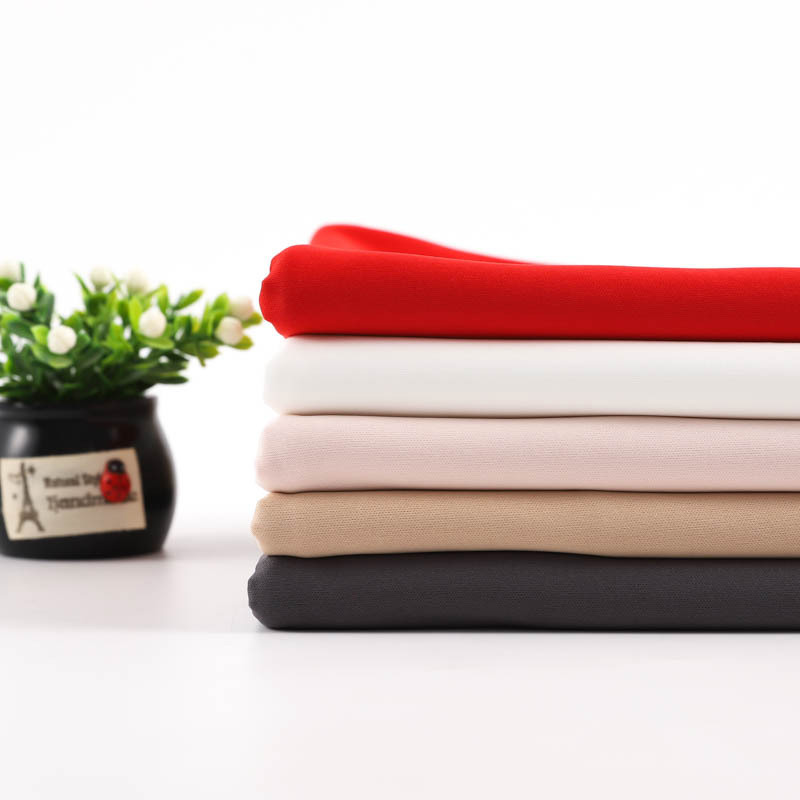
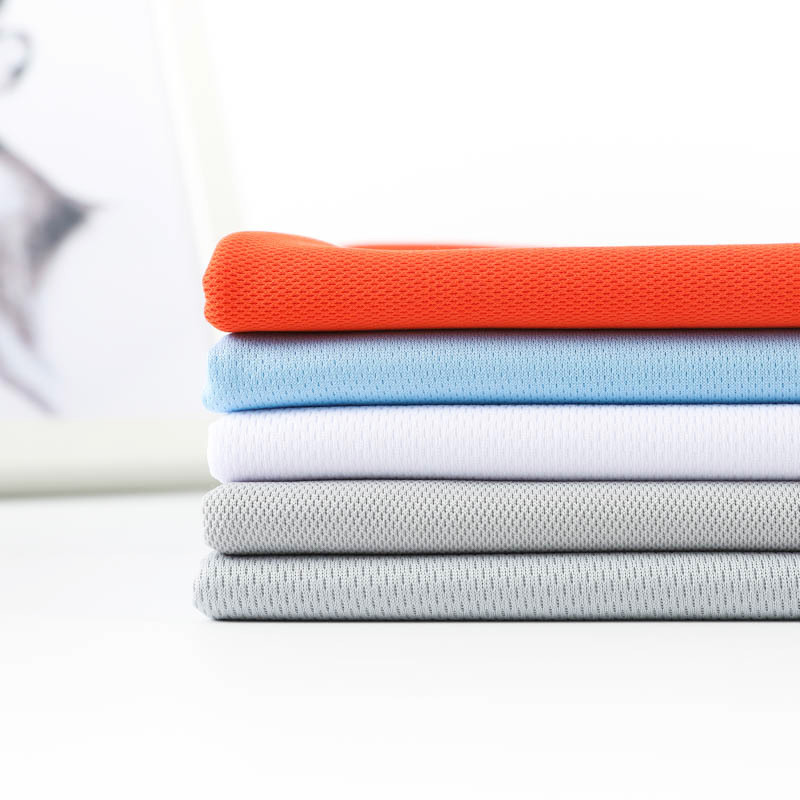
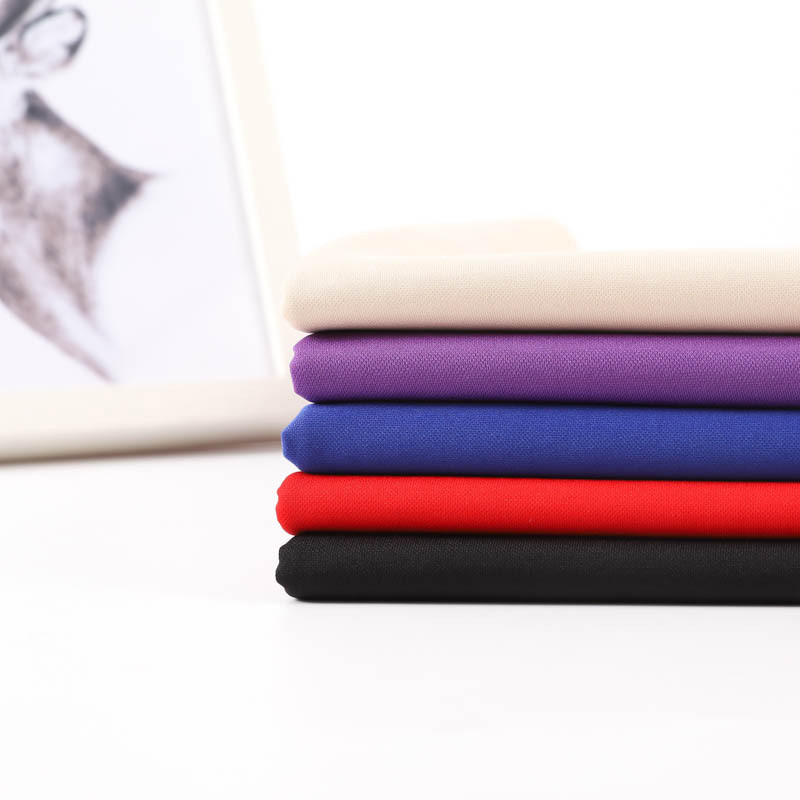
Milk silk fabric is incredibly versatile in design, making it suitable for a wide variety of fashion applications. It can be dyed in a range of vibrant colors, from soft pastels to bold, rich hues, while maintaining its smooth texture and sheen. This makes it an ideal material for designers who want to create clothing that is both eco-friendly and stylish.
The fabric can also be blended with other natural fibers such as cotton, linen, or bamboo, which can further enhance its properties. For example, blending milk silk with cotton can add to its softness, while blending it with linen can enhance its breathability and texture.
In terms of fashion, milk silk fabric is ideal for a wide range of garments, including dresses, shirts, blouses, scarves, and even accessories like handbags and ties. It is often used in high-end collections where designers aim to create luxurious yet sustainable pieces.
Renewable Resource
Milk silk is made from casein, which is extracted from milk—a renewable resource. This is a key factor that differentiates milk silk from many other textile fibers, which are derived from finite or non-renewable resources. The fact that milk is a byproduct of the dairy industry further contributes to its sustainability. Instead of wasting milk that would otherwise be discarded, it is repurposed to create a valuable textile.
By utilizing a renewable resource, milk silk fabric contributes to the circular economy, reducing reliance on non-renewable resources and promoting sustainability in the textile industry.
Biodegradability
One of the most significant environmental benefits of milk silk fabric is its biodegradability. Unlike synthetic fabrics, which can take hundreds of years to break down in landfills, milk silk will naturally decompose over time, reducing its environmental impact. This makes it a preferable option for consumers who are conscious of their environmental footprint and want to make more sustainable choices in their fashion purchases.
Biodegradable fabrics like milk silk are part of a larger movement toward a more sustainable textile industry, where the focus is on producing materials that do not contribute to long-term waste or environmental degradation.
Low Carbon Footprint
The production of milk silk fabric typically requires less energy and water compared to traditional silk or synthetic fibers. This results in a lower carbon footprint, making milk silk a more eco-conscious option for fashion brands looking to reduce their environmental impact. As sustainability becomes an increasingly important factor in consumer purchasing decisions, adopting fabrics like milk silk can help brands align with the growing demand for environmentally responsible products.
Applications of Milk Silk Fabric
The versatility of milk silk fabric means it can be used in a wide variety of fashion and textile applications. Some of the key areas where milk silk is making an impact include:
- Luxury Fashion: Due to its soft texture and elegant sheen, milk silk fabric is often used in high-end fashion collections. Designers are using it for dresses, blouses, skirts, and evening wear, creating pieces that combine luxury with sustainability.
- Casual Wear: Milk silk’s softness and breathability make it an excellent choice for everyday clothing. It can be used for making comfortable shirts, leggings, and lightweight jackets that offer both style and comfort.
- Home Textiles: Beyond fashion, milk silk is also used in home textiles like bed linens, pillowcases, and curtains. Its hypoallergenic and antimicrobial properties make it an excellent choice for bedding and sleepwear.
- Accessories: Milk silk is increasingly being used for fashion accessories such as scarves, ties, and handbags. Its smooth texture and ability to hold vibrant colors make it an attractive option for accessories that require both style and durability.